
Defense technology firm Shield AI officially unveiled its X-BAT autonomous fighter jet on October 21, 2025, in Washington, D.C. This new aircraft is a Group 5 Unmanned Aerial System (UAS) designed to function as a high-performance “loyal wingman” and represents a significant leap in military aviation by combining fifth-generation fighter capabilities with Vertical Takeoff and Landing (VTOL).
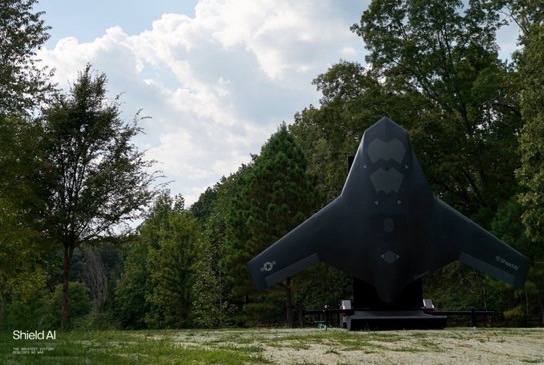
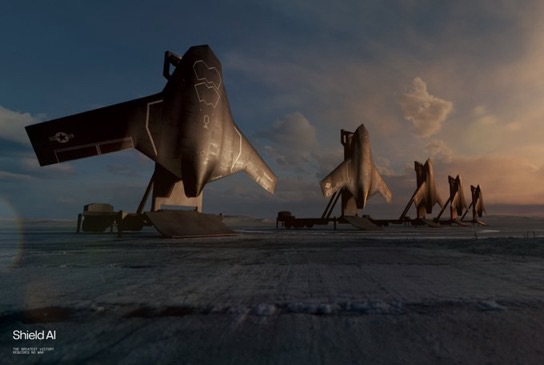
The X-BAT is engineered to operate entirely without a runway, a feature Shield AI calls the “holy grail of deterrence.” This allows it to be deployed from ships, remote islands, or austere land bases, dramatically increasing operational flexibility and survivability, especially in a potential Pacific conflict.
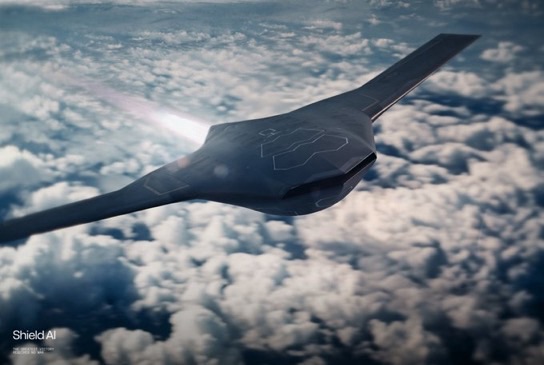


At the core of the X-BAT is Shield AI’s Hivemind autonomy software. This AI pilot allows the aircraft to fly, navigate, and execute complex combat tactics—such as air-to-air and air-to-ground strikes—entirely on its own, even in GPS or communications-denied environments. It is designed to operate as part of a collaborative team with manned aircraft or as a standalone asset.
Key specifications of the X-BAT include:
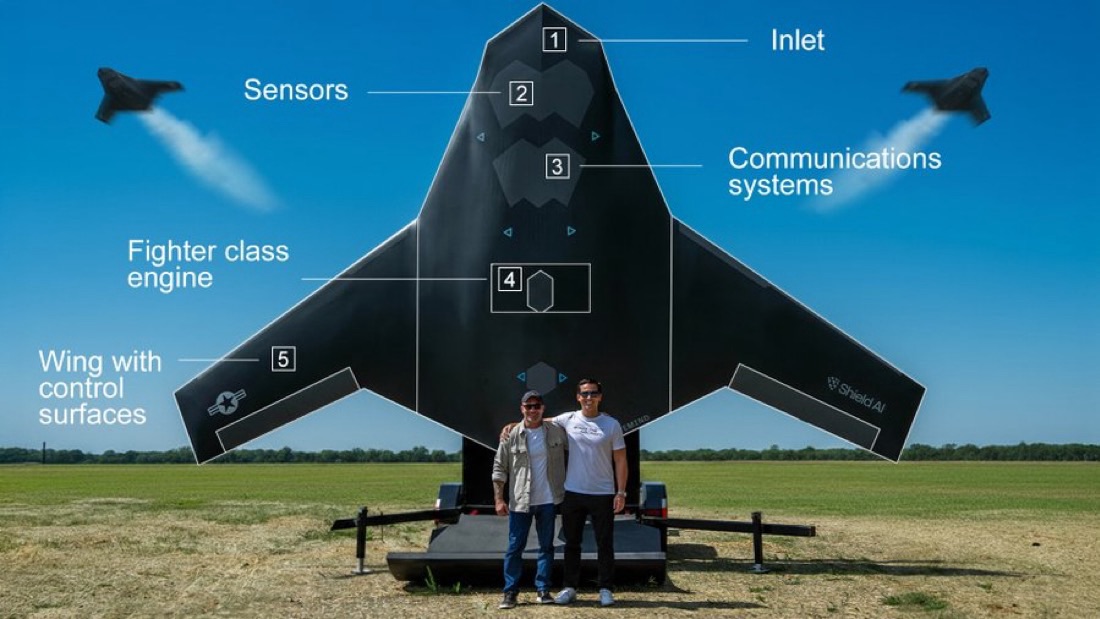
* Propulsion: A “fighter-class engine,” reportedly similar to an F-16’s, with an afterburner and thrust vectoring to achieve VTOL.
* Range: Over 2,000 nautical miles with a full mission payload.
* Performance: A service ceiling of over 50,000 feet.
* Armament: Features an internal weapons bay for stealth and external hardpoints for larger munitions, making it multi-role capable (strike, counter-air, ISR, and electronic warfare).
* Footprint: Three X-BATs can fit in the same deck space as one legacy fighter or helicopter, enabling a higher sortie generation rate.
The X-BAT is designed to be “attritable,” meaning it delivers fighter-class performance at a fraction of the acquisition and lifecycle cost of a manned fifth-generation jet like the F-35. This allows commanders to take more risks in highly contested airspace.
While Shield AI is the primary designer, the company has stated it will partner with another firm for mass production. The X-BAT has been in development for 18 months, with initial VTOL flights planned for 2026 and full operational validation expected by 2028. This unveiling positions Shield AI as a major competitor in the U.S. Air Force’s Collaborative Combat Aircraft (CCA) program.