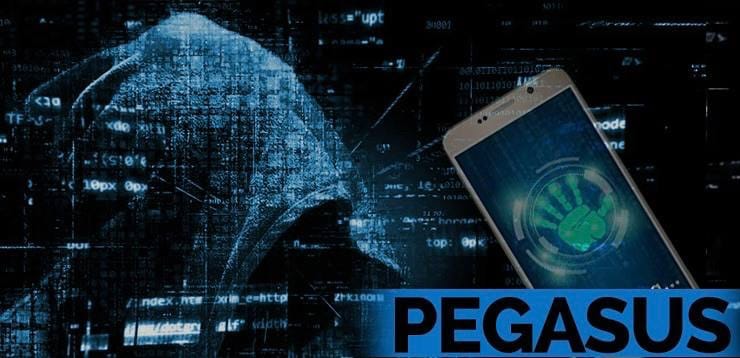

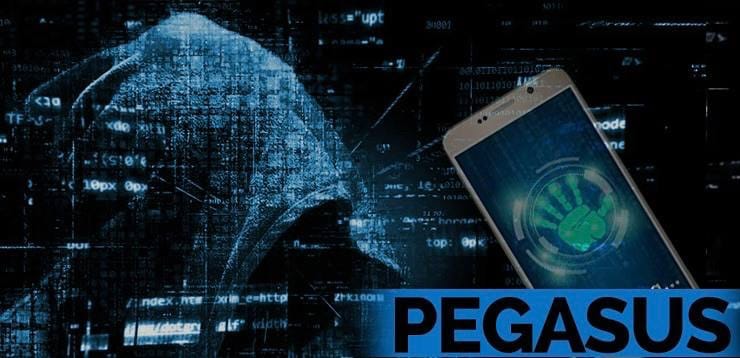
The Central Intelligence Agency employed Israeli-made Pegasus spyware to execute a deception operation during the rescue of a downed American F-15E pilot in Iran, sources confirmed. The agency used the sophisticated surveillance tool to transmit false messages to Iranian leadership and Islamic Revolutionary Guard Corps personnel claiming the airman had already been located.
The operation aimed to divert Iranian search efforts and reduce pressure on the actual rescue zone while special operations forces extracted the wounded weapons systems officer. Pegasus, developed by Israel’s NSO Group, provides remote access to mobile devices, enabling message interception and injection without target awareness.
The disclosure reveals advanced cyber capabilities integrated with traditional search and rescue operations, complementing previously reported “Ghost Murmur” quantum sensing technology that detected the airman’s heartbeat signature from forty miles away. The combined technological deployment—quantum magnetometry for location and spyware for deception—demonstrates unprecedented sophistication in personnel recovery operations.
Use of Pegasus, a tool typically associated with intelligence collection and counterterrorism, in tactical military deception raises questions about operational boundaries and target selection. Iranian recipients likely included senior officials and field commanders coordinating ground searches for the downed aviator.
The operation’s success in facilitating extraction without Iranian interception highlights vulnerabilities in Tehran’s secure communications that American and Israeli intelligence continue to exploit. Disclosure of this capability may prompt Iranian countermeasures affecting future operations.