
The Israel-Iran Conflict: A Complex Regional Rivalry Shaping the Middle East
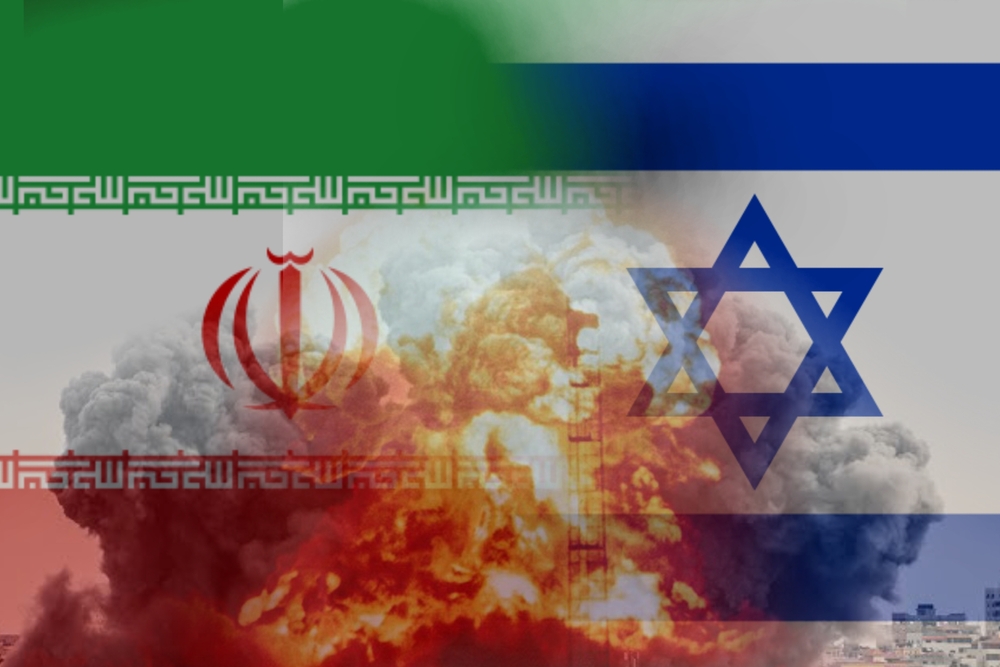
The confrontation between Israel and Iran stands as one of the most consequential geopolitical rivalries of the 21st century, casting a long shadow over Middle Eastern stability and international security. What began as a surprising alliance during the era of the Shah has transformed into a multifaceted conflict involving proxy warfare, nuclear tensions, cyberattacks, and the specter of direct military confrontation. Understanding this conflict requires examining its historical roots, the strategic calculations of both nations, the role of proxy forces, and the broader implications for regional and global security.
Historical Foundations: From Alliance to Enmity
The relationship between Israel and Iran was not always adversarial. During the reign of Shah Mohammad Reza Pahlavi, Iran and Israel enjoyed close diplomatic and security cooperation. The Shah’s Iran, seeking to counterbalance Arab nationalism and maintain regional influence, found common cause with Israel. The two nations engaged in intelligence sharing, military cooperation, and significant trade relationships. Iran supplied oil to Israel, while Israeli technical expertise aided Iranian development projects.
This partnership abruptly ended with the Iranian Revolution of 1979. The Islamic Republic, led by Ayatollah Ruhollah Khomeini, fundamentally reoriented Iran’s foreign policy around anti-Western and anti-Zionist ideology. Khomeini declared Israel an illegitimate entity that had no right to exist, and the new Iranian government severed all ties with the Jewish state. The revolution transformed Iran from a tacit ally into an ideological adversary committed to opposing Israeli interests throughout the region.
The ideological dimension of this rivalry cannot be overstated. For Iran’s clerical leadership, opposition to Israel serves multiple purposes: it provides revolutionary legitimacy, positions Iran as a champion of Palestinian rights and broader Muslim causes, and helps the regime consolidate domestic support. For Israel, Iran’s revolutionary rhetoric, combined with its pursuit of advanced military capabilities, represents an existential threat that demands constant vigilance and proactive countermeasures.
The Nuclear Dimension: Tehran’s Ambitions and Israeli Concerns
Perhaps no aspect of the Israel-Iran conflict generates more international attention than Iran’s nuclear program. Iran maintains that its nuclear activities are entirely peaceful, focused on energy production and medical research. However, Israel and much of the international community have long suspected that Iran seeks to develop nuclear weapons capability, if not actual weapons themselves.
For Israel, a nuclear-armed Iran represents an unacceptable strategic threat. Israeli leaders have repeatedly stated that they will not allow Iran to acquire nuclear weapons, with former Prime Minister Benjamin Netanyahu making this a centerpiece of his foreign policy for over a decade. This position reflects both specific security concerns about a regime that has called for Israel’s destruction potentially possessing nuclear weapons, and broader worries about regional proliferation if Iran crosses the nuclear threshold.
Israel’s concerns about Iran’s nuclear program have manifested in various forms of action. Intelligence reports suggest that Israel has conducted covert operations against Iranian nuclear facilities, including cyberattacks like the Stuxnet virus that damaged Iranian centrifuges, and targeted assassinations of Iranian nuclear scientists. These operations, while never officially confirmed by Israel, represent a campaign to delay and degrade Iran’s nuclear progress without triggering full-scale war.
The international community’s response to Iran’s nuclear ambitions culminated in the Joint Comprehensive Plan of Action, signed in 2015 between Iran and world powers including the United States, United Kingdom, France, Germany, China, and Russia. This agreement placed strict limitations on Iran’s nuclear activities in exchange for sanctions relief. Israel opposed the deal vehemently, arguing it merely delayed rather than prevented Iran from obtaining nuclear weapons, and that sanctions relief would enable Iran to expand its regional activities.
The subsequent withdrawal of the United States from the agreement in 2018 under President Trump, strongly supported by Israel, plunged the nuclear issue back into uncertainty. Iran responded by gradually exceeding the deal’s limitations on uranium enrichment and stockpiles, bringing the nuclear crisis back to center stage and raising the possibility of military confrontation.
Proxy Warfare: The Regional Chessboard
While nuclear concerns dominate headlines, the day-to-day reality of the Israel-Iran conflict plays out through proxy forces across the Middle East. Iran has developed what it calls an “Axis of Resistance” – a network of allied state and non-state actors that extends Iranian influence and provides leverage against Israel and its allies.
Hezbollah in Lebanon represents Iran’s most powerful and sophisticated proxy. Founded with Iranian support in the 1980s, Hezbollah has evolved from a guerrilla organization into a formidable military force with an estimated arsenal of over 100,000 rockets and missiles. The group’s presence on Israel’s northern border represents a constant security challenge, and the two sides fought a major war in 2006 that ended inconclusively. Hezbollah’s integration into Lebanese politics and society makes any future conflict particularly complex, as military action against the group inevitably affects Lebanese civilians and infrastructure.
In Syria, Iran has established a significant military presence since intervening to support President Bashar al-Assad during the Syrian civil war. This presence has brought Iranian forces and their proxies directly to Israel’s northeastern border, creating a new front in the conflict. Israel has conducted hundreds of airstrikes in Syria targeting Iranian weapons transfers, military installations, and personnel, attempting to prevent Iran from establishing a permanent military infrastructure that could threaten Israeli security.
Palestinian militant groups, particularly Hamas in Gaza and Palestinian Islamic Jihad, receive Iranian financial and military support. While these groups maintain their own agendas focused on the Palestinian cause, Iranian support enhances their capabilities and ensures they remain thorns in Israel’s side. Iran provides funding, weapons technology, and training, enabling these groups to develop increasingly sophisticated rockets and other weapons systems.
Yemen’s Houthi movement represents another component of Iran’s regional network. While the Houthis are primarily focused on Yemen’s civil war, they have occasionally attacked Israel or Israeli-linked targets, including drone and missile strikes. The Houthis demonstrate Iran’s ability to project influence across vast distances and create security challenges far from Iran’s borders.
Direct Confrontation: Shadow War and Open Strikes
For decades, the Israel-Iran conflict remained largely indirect, conducted through proxies, covert operations, and cyberattacks. However, recent years have witnessed an escalation toward more direct confrontation. Israel has increasingly acknowledged its military operations against Iranian targets in Syria, while Iran has occasionally struck at Israeli interests more openly.
The shadow war between Mossad, Israel’s intelligence agency, and Iranian security services has intensified. This includes alleged Israeli operations targeting Iranian nuclear scientists, military officers, and weapons facilities, as well as Iranian attempts to target Israeli diplomats and citizens abroad. Cyberspace has become another battlefield, with both nations conducting sophisticated cyber operations against each other’s infrastructure, military systems, and strategic assets.
Maritime tensions have also escalated, with attacks on commercial shipping in the Gulf region attributed to the conflict. Both Israeli-linked and Iranian vessels have been targeted in a tit-for-tat campaign that risks broader escalation. These incidents demonstrate how the conflict extends beyond traditional Middle Eastern battlegrounds to affect global commerce and international waters.
Recent developments have seen even more direct exchanges. Iran has launched drone and missile attacks directly from its territory toward Israel, while Israel has reportedly conducted strikes within Iranian borders targeting military and nuclear facilities. These direct confrontations represent a dangerous escalation from the previous pattern of proxy warfare and covert action.
International Dimensions and Great Power Competition
The Israel-Iran conflict cannot be understood in isolation from broader international politics. The United States has been Israel’s closest ally, providing military aid, diplomatic support, and strategic cooperation. American opposition to Iran, particularly regarding its nuclear program and regional activities, has generally aligned with Israeli interests, though specific policies have varied between administrations.
Russia maintains complex relationships with both nations. While Russia has strategic interests in Syria that sometimes align with Iran, it also maintains working relationships with Israel and has generally avoided taking sides in their conflict. Russia’s position as a major power in Syria requires careful balancing between Iranian allies and Israeli security concerns.
China’s growing Middle Eastern presence adds another dimension. As a major purchaser of Iranian oil and investor in regional infrastructure, China has economic interests in regional stability. However, China also maintains significant trade relationships with Israel, particularly in technology sectors, creating another set of competing interests among great powers.
European nations have generally sought to maintain the nuclear agreement with Iran while supporting Israel’s right to security. This balancing act has become increasingly difficult as tensions escalate and the nuclear deal framework crumbles. European attempts at mediation and conflict de-escalation have met with limited success, reflecting the deep-rooted nature of the rivalry.
Future Trajectories: Paths Toward Escalation or Resolution
The future of the Israel-Iran conflict remains deeply uncertain, with scenarios ranging from managed competition to catastrophic war. Several factors will shape this trajectory. Iran’s nuclear program remains the most immediate flashpoint. If Iran moves closer to weapons capability, Israel faces an increasingly urgent decision about military action. However, military strikes carry enormous risks, including regional war, civilian casualties, and potential failure to significantly set back Iran’s nuclear progress.
The stability of Iran’s government represents another critical variable. Internal pressures, including economic difficulties, social unrest, and political factionalism, could lead to policy changes either toward moderation or further radicalization. Changes in Iranian leadership or governance could fundamentally alter the conflict’s dynamics.
Regional realignments, such as the Abraham Accords that normalized relations between Israel and several Arab states, have created new dynamics. These agreements partly reflect shared Arab and Israeli concerns about Iranian influence, potentially creating new coalitions that could either deter Iranian ambitions or provoke further confrontation.
The role of the United States remains crucial. American policy toward Iran significantly affects Israeli calculations and Iranian behavior. A return to diplomatic engagement and nuclear negotiations could reduce tensions, while continued maximum pressure or military action could escalate the conflict.
Conclusion: A Rivalry Defining Regional Order
The Israel-Iran conflict represents far more than a bilateral dispute between two Middle Eastern nations. It embodies competing visions for regional order, involves the dangerous intersection of nuclear proliferation and asymmetric warfare, and draws in global powers with divergent interests. The conflict’s complexity – spanning nuclear concerns, proxy warfare, cyber operations, and ideological opposition – makes resolution extraordinarily difficult.
Both nations face stark choices. Israel must balance its security imperatives against the risks of military action that could trigger regional catastrophe. Iran must weigh its revolutionary ideology and regional ambitions against the economic costs of international isolation and the dangers of confrontation with a technologically superior adversary backed by global powers.
The international community faces its own challenges in managing this rivalry. Preventing nuclear proliferation while avoiding war, maintaining regional stability while respecting legitimate security concerns, and promoting diplomatic solutions while deterring aggression requires careful diplomacy and sustained engagement.
What remains clear is that the Israel-Iran conflict will continue shaping Middle Eastern geopolitics for years to come. Whether this rivalry remains bounded by mutual deterrence and managed through proxy competition, or explodes into direct military confrontation with catastrophic humanitarian and economic consequences, depends on decisions made in Jerusalem, Tehran, Washington, and other capitals. The stakes could hardly be higher, not just for Israelis and Iranians, but for regional stability and global security in an already volatile world.