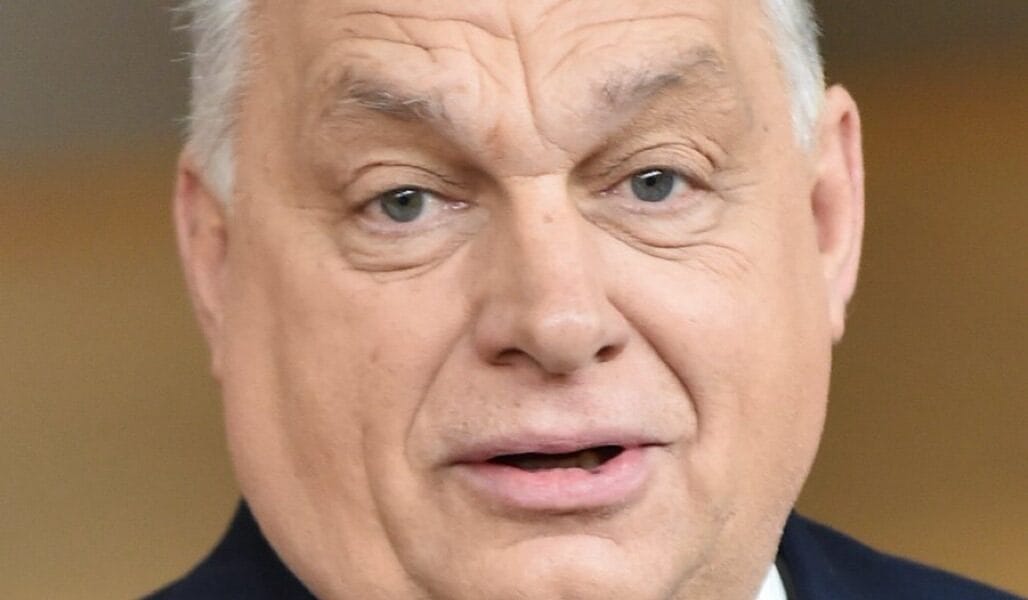

Hungarian Prime Minister Viktor Orbán conceded defeat Sunday after sixteen years in power, as opposition leader Péter Magyar’s Tisza Party secured decisive victory in national elections. The outcome removes Moscow’s most reliable ally within the European Union and NATO, fundamentally shifting Central Europe’s geopolitical alignment.
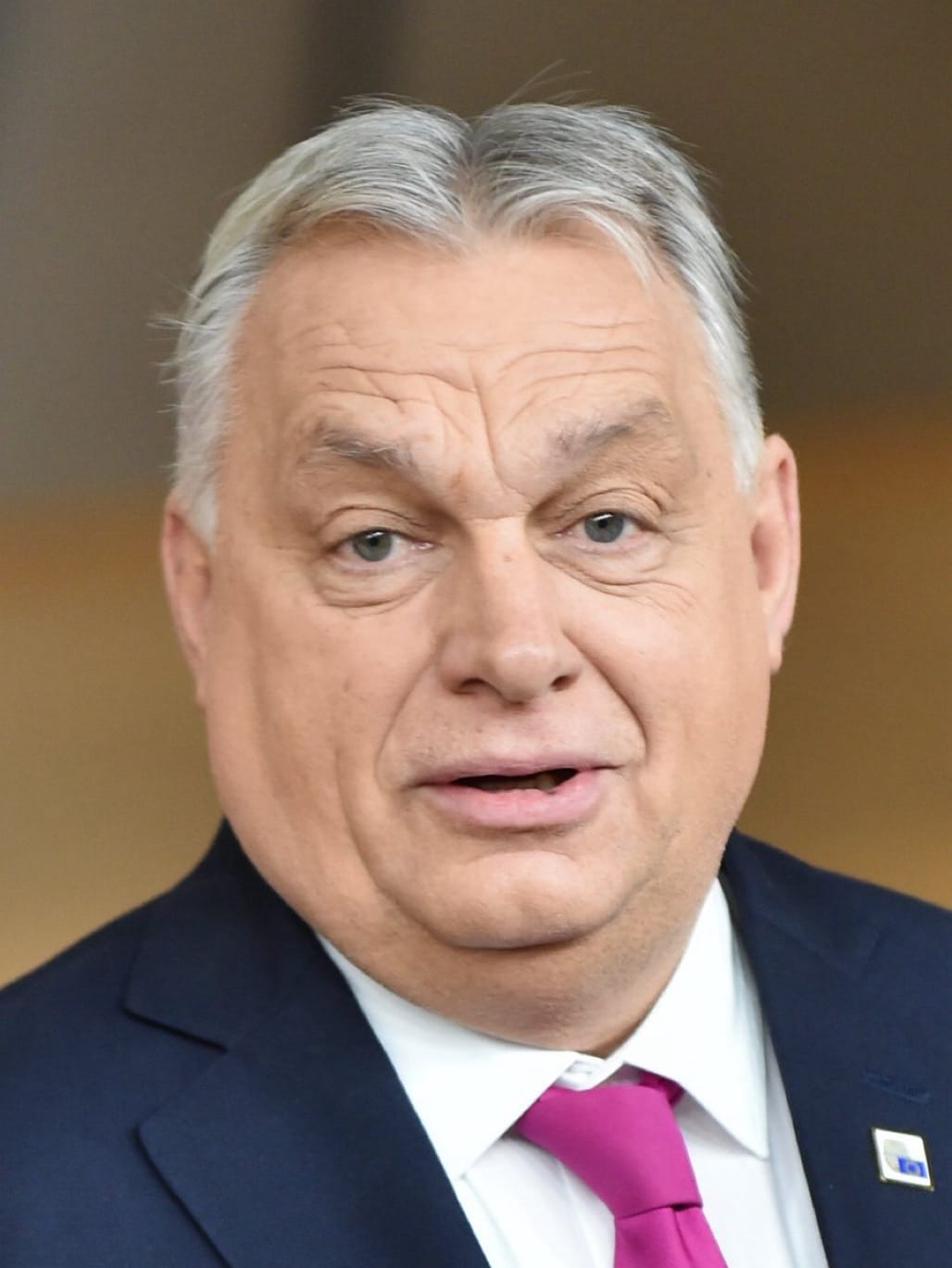
Orbán’s Fidesz party had maintained tight energy and diplomatic ties with Russia, consistently delaying EU aid packages to Ukraine and criticizing Western sanctions against Moscow. His government functioned as a persistent veto lever inside Brussels, blocking consensus on key security and economic measures. Magyar’s triumph dismantles this strategic Russian asset within European institutions.
The Tisza Party leader has signaled intent to return Hungary to European mainstream and repair relations with NATO allies, though remaining cautious about direct military involvement in Ukraine. This posture represents significant departure from Orbán’s overt alignment with Kremlin interests, which included maintaining Russian energy dependence and hosting pro-Russian diplomatic initiatives.
For Moscow, the loss extends beyond bilateral relationship collapse. Hungary under Orbán provided institutional platform for Russian influence projection into EU decision-making processes. Without this entrenched sympathetic disruptor, Moscow faces diminished capacity to fracture Western unity on sanctions, Ukraine support, and energy security.
The electoral outcome demonstrates democratic mechanisms can reverse autocratic consolidation even after extended periods. Magyar’s mandate to restore rule of law and independent institutions suggests broader European democratic resilience against Russian-backed illiberal movements.