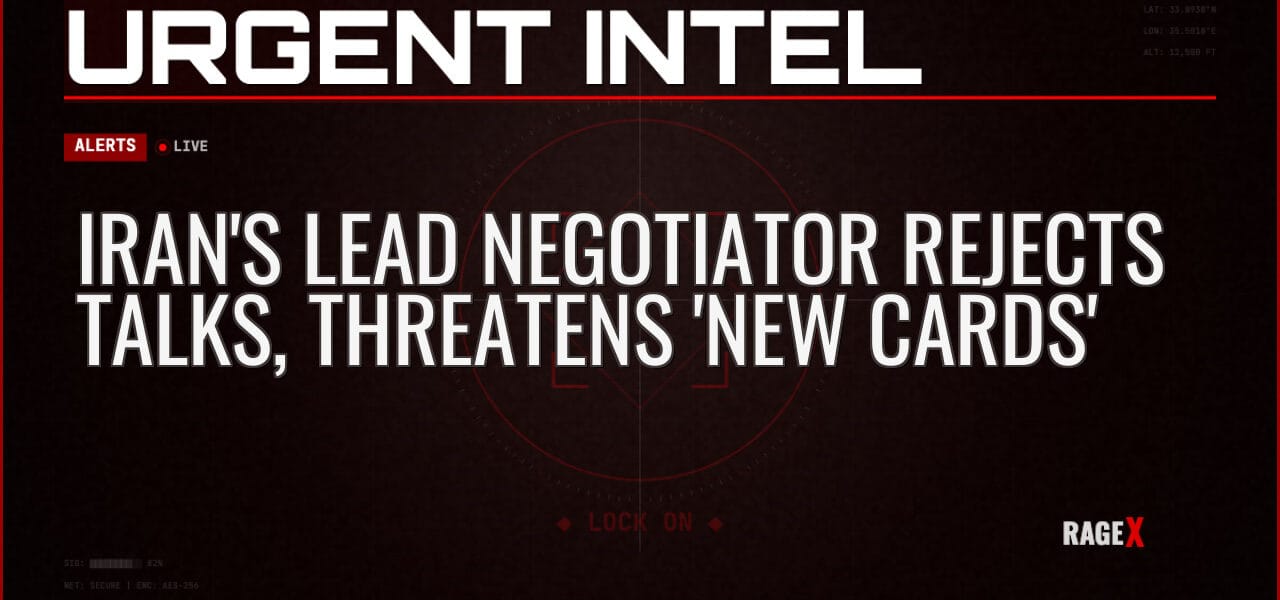
Iranian Parliamentary Speaker Mohammad Bagher Ghalibaf, who led Tehran’s delegation in failed Islamabad talks, has publicly rejected further negotiations while the U.S. naval blockade continues and threatened to deploy “new cards on the battlefield.” The statement signals dramatic hardening of Iranian posture as the ceasefire expires.
Ghalibaf accused President Trump of seeking to transform negotiations “into a table of surrender” through siege tactics and ceasefire violations. “We do not accept negotiations under the shadow of threats,” he declared, emphasizing two weeks of military preparation since initial talks collapsed.
The rhetoric marks striking transformation for Ghalibaf, previously considered pragmatic faction representative. His adoption of battlefield language suggests either hardline victory in internal Tehran deliberations or deliberate deployment of moderate figure to deliver uncompromising message with maximum credibility.
The “new cards” threat remains unspecified but implies retained military capabilities despite extensive American strikes. Potential options include expanded Hormuz mining, proxy escalation against regional allies, cyber operations, or asymmetric attacks on blockading naval forces.
Ghalibaf’s rejection directly confronts Trump’s oscillating posture—from Friday’s claim of Iranian agreement to Sunday’s infrastructure destruction threats. Tehran’s explicit conditioning of talks on blockade cessation creates binary choice for Washington: maintain pressure and accept military confrontation, or relax coercion and risk appearing to negotiate under duress.
The statement eliminates ambiguity about Iranian willingness to resume Witkoff’s planned Islamabad mission. With Ghalibaf, who personally participated in twenty-one hour negotiations, now rejecting engagement, prospects for rapid diplomatic resolution appear minimal regardless of American delegation composition or timing.
Iran’s Lead Negotiator Rejects Talks, Threatens ‘New Cards’
Ghalibaf rejects U.S. talks under blockade pressure and threatens "new cards on the battlefield," marking hardline shift for former pragmatic negotiator. Iranian stance eliminates ambiguity as ceasefire expires and Trump threatens total infrastructure destruction.