
Autonomous Systems – The Dawn of True Independence
We are in the midst of a profound technological shift, moving from an era of simple automation to one of true autonomy. This is not a minor upgrade; it is a fundamental redefinition of our relationship with machines. Autonomous systems represent the pinnacle of this evolution—complex, intelligent platforms that can perceive their environment, make complex decisions, and execute tasks in the real world without direct human intervention.
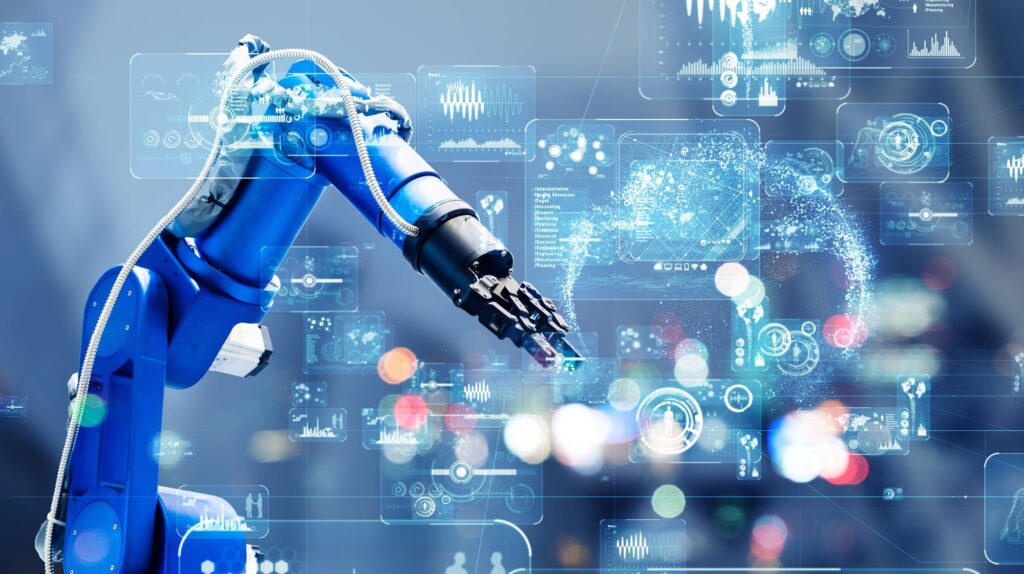
Unlike their “automated” predecessors, which rigidly follow pre-programmed instructions (think a factory arm welding the same spot), autonomous systems are dynamic, adaptive, and intelligent. Powered by a potent combination of artificial intelligence (AI), machine learning (ML), and sophisticated sensor suites, these systems are designed to achieve a set of goals in a complex, changing, and often unpredictable environment.
As of 2025, this technology is no longer confined to research labs. It is being deployed across the globe in our cars, skies, factories, and defense networks. This revolution is creating unprecedented gains in efficiency, safety, and capability, but it is also forcing a critical reckoning with challenges of trust, accountability, and control.
The Core Technology: How Autonomous Systems Think
An autonomous system’s ability to “think” and act on its own is built upon a sophisticated, multi-layered technology stack. This stack creates a continuous feedback loop known as the “perceive-plan-act” cycle.
- Perception (The Senses): First, the system must understand its world. It does this by fusing data from a suite of advanced sensors.
- LiDAR (Light Detection and Ranging): Shoots out millions of laser pulses per second to create a precise, 3D “point cloud” map of the surrounding environment.
- Radar: Uses radio waves to detect the range, velocity, and direction of objects, excelling in bad weather (rain, fog, snow) where other sensors fail.
- Computer Vision: Utilizes high-definition cameras (visual, infrared, thermal) to identify and classify objects, such as reading a stop sign, identifying a pedestrian, or spotting a defect on a production line.
- Sensor Fusion: This is the critical software layer. It takes the individual data streams from all sensors and merges them into a single, comprehensive, and reliable model of reality.
- Planning (The Brain): Once the system knows what is around it, its AI brain must decide what to do.
- Artificial Intelligence (AI): This is the overarching “brain” that uses all available data to make decisions.
- Machine Learning (ML): The system isn’t just programmed; it learns. It is trained on massive datasets (e.g., millions of miles of driving data) to recognize patterns, predict the behavior of other objects (like a car suddenly braking), and determine the optimal path forward.
- Localization & Mapping: The system must know precisely where it is. It compares its sensor data to highly detailed, pre-existing maps (HD maps) to pinpoint its location, often with centimeter-level accuracy.
- Action (The Body): After a decision is made, the system executes it in the physical world using actuators. In a self-driving car, actuators are the mechanisms that control the steering, throttle (acceleration), and brakes. In a drone, they control the motors on each rotor.
This entire “perceive-plan-act” cycle happens dozens of times per second, allowing the system to react to a dynamic environment faster and more reliably than a human operator.
The Levels of Autonomy: From Assistance to Independence
Autonomy is not a simple on/off switch; it is a spectrum. The most widely accepted framework, particularly for vehicles, comes from the SAE International (Society of Automotive Engineers), which defines six distinct levels.
- Level 0 (No Automation): The human driver is responsible for 100% of the driving task at all times. The car may have basic warning systems (like a blind-spot alert) but does not actively drive.
- Level 1 (Driver Assistance): The car can control one aspect of driving at a time, either steering (lane-keeping assist) or speed (adaptive cruise control). The human does everything else.
- Level 2 (Partial Automation): This is where most advanced “autopilot” systems are today. The car can control both steering and speed simultaneously. However, the human is fully responsible and must monitor the system at all times, ready to take over instantly.
- Level 3 (Conditional Automation): This is the first true “eyes-off” level. In specific, limited conditions (like a traffic jam on a geofenced highway), the car can fully manage the driving task, allowing the driver to look away. The driver must still be prepared to retake control when the system requests it.
- Level 4 (High Automation): The car is fully self-driving within a specific “Operational Design Domain” (ODD). This ODD could be a specific city, a college campus, or a pre-mapped logistics route. Within that zone, the car needs no human driver, but it cannot operate outside it. This is the level for most “robotaxi” services currently in 2025.
- Level 5 (Full Automation): The “holy grail” of autonomy. The system can operate any road, anywhere, under all conditions that a human driver could. This level requires no steering wheel or pedals and is still in the deep experimental phase.
The 2025 Revolution: Autonomous Systems in Action
By 2025, autonomous systems have moved beyond theory and are creating seismic shifts across key industries.
- Autonomous Vehicles: The most visible application. Level 4 robotaxi services are operational in cities like San Francisco, Phoenix, and Abu Dhabi, offering rides to the public within defined areas. The long-haul trucking industry is also being transformed, with autonomous freight trucks now conducting hub-to-hub deliveries on major highways, promising massive gains in fuel efficiency and solving driver shortages.
- Drones & UAS (Unmanned Aircraft Systems): Autonomous drones are no longer just hobbyist toys. In logistics, companies are using them for “last-mile” package delivery. In agriculture, autonomous drones scan fields to monitor crop health and apply fertilizer with pinpoint precision. They are also critical for industrial inspection (bridges, wind turbines) and providing emergency-response situational awareness.
- Manufacturing & Logistics: “Lights-out” factories and warehouses are becoming a reality. Autonomous Mobile Robots (AMRs) navigate complex, changing warehouse floors to pick, sort, and transport goods, seamlessly working alongside human employees. This is a massive leap from older, “automated” guided vehicles (AGVs) that could only follow fixed magnetic stripes on the floor.
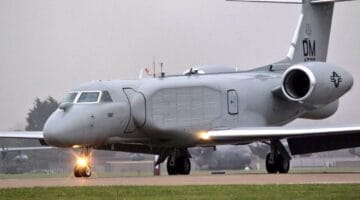
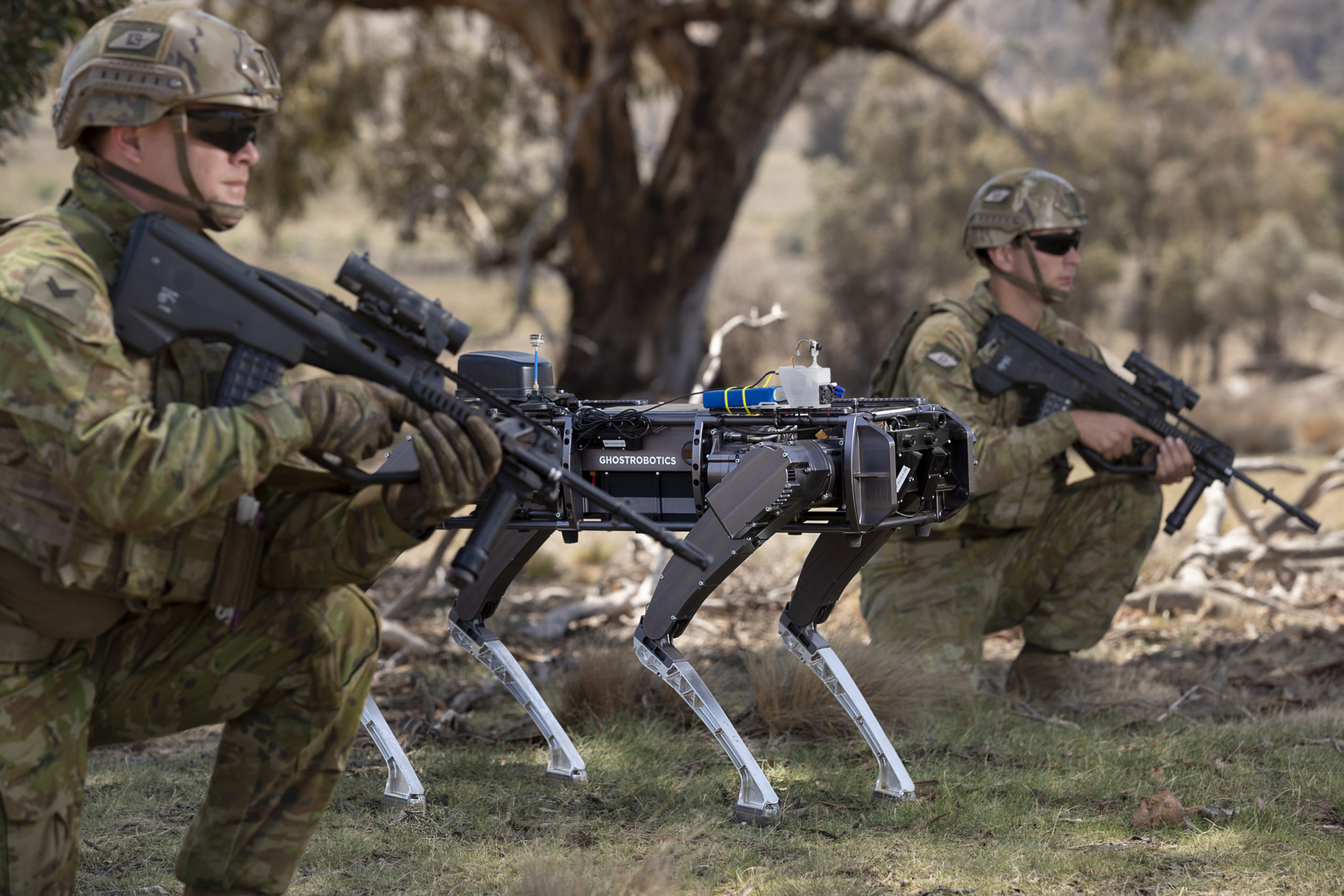
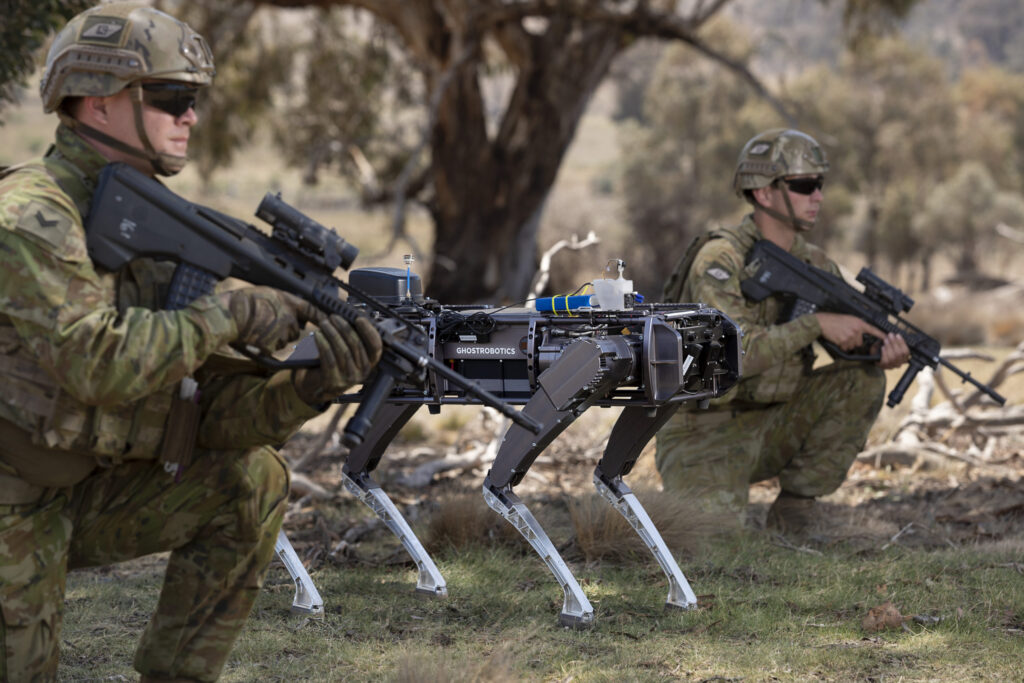
- Military & Defense: Autonomy is at the center of modern defense strategy. Semi-autonomous “leader-follower” convoys, where unmanned trucks follow a single manned lead vehicle, are reducing risk to soldiers in logistics operations. In the air, AI-powered drone swarms are being developed that can coordinate complex surveillance or strike missions as a single, intelligent unit, fundamentally changing the nature of the battlefield.
The Unavoidable Hurdles: Challenges and Ethics
The path to a fully autonomous future is fraught with immense technical and ethical challenges that society is only now beginning to confront.
- Technological Brittleness (The “Edge Case” Problem): An autonomous system is only as smart as the data it was trained on. While it can handle 99.9% of situations flawlessly, it can fail catastrophically when faced with a rare, unpredictable “edge case” it has never seen before—like a kangaroo on a road or a “stop” sign partially covered in snow.
- Security and Hacking: As systems become more connected, their “attack surface” grows. A malicious actor who hacks into an autonomous car or a fleet of delivery drones could cause widespread, catastrophic physical damage. Securing these systems is a paramount concern.
- The Accountability Black Box: When an autonomous system causes an accident, who is at fault? Is it the owner? The manufacturer? The programmer who wrote the AI model? The company that supplied the training data? Our legal frameworks, built around human agency, are struggling to answer this new and complex question of liability.
- The “Trolley Problem” and AI Ethics: The most famous ethical dilemma is the “trolley problem.” If an autonomous car faces an unavoidable crash, should it be programmed to swerve and hit one pedestrian to save its five passengers? Or should it prioritize the pedestrians and sacrifice its occupants? These are no longer philosophical thought experiments but real, urgent engineering decisions that require a societal consensus.
Conclusion: The Future is Self-Determined
Autonomous systems are not a niche technology; they are a new technological epoch. They represent a migration of intelligence itself, from the human mind into the machines we have built. The challenges of safety, security, and ethics are enormous, but the potential to save lives, unlock vast new economies, and free humanity from dangerous and tedious labor is too great to ignore. As we stand in 2025, we are no longer just using our tools; we are beginning to collaborate with them. The autonomous revolution is here, and it is reshaping our world, one decision at a time.