

The investigation into the audacious €88 million ($102 million) Louvre heist has intensified as French prosecutors charged a 38-year-old woman with “complicity in an organized robbery” and “criminal conspiracy.” The woman, who appeared emotional in court, is the eighth person to be charged in connection with the stunning daylight theft of the French Crown Jewels on October 19, 2025.
This cinematic crime, which shocked France and the art world, was executed with military precision. The four-person “commando” team, disguised as museum workers, used a stolen mechanical lift to bypass security and enter the first-floor Apollo Gallery through a window. Using power tools, including disc cutters, they smashed two armored display cases and fled in under eight minutes, escaping on motor scooters waiting along the Seine.
The latest suspect, a resident of a Paris suburb, is accused of providing logistical support to the gang. Her arrest follows the charging of seven others, including two men who have “partially admitted” to their involvement. One of those men, a 34-year-old Algerian national, was arrested at Charles de Gaulle Airport attempting to board a one-way flight to Algeria after his DNA was found on a getaway scooter.
Despite the growing number of arrests, the primary objective of the investigation remains unfulfilled: the priceless jewels are still missing.
The stolen items are not merely valuable; they are irreplaceable pieces of French history. The loot includes:
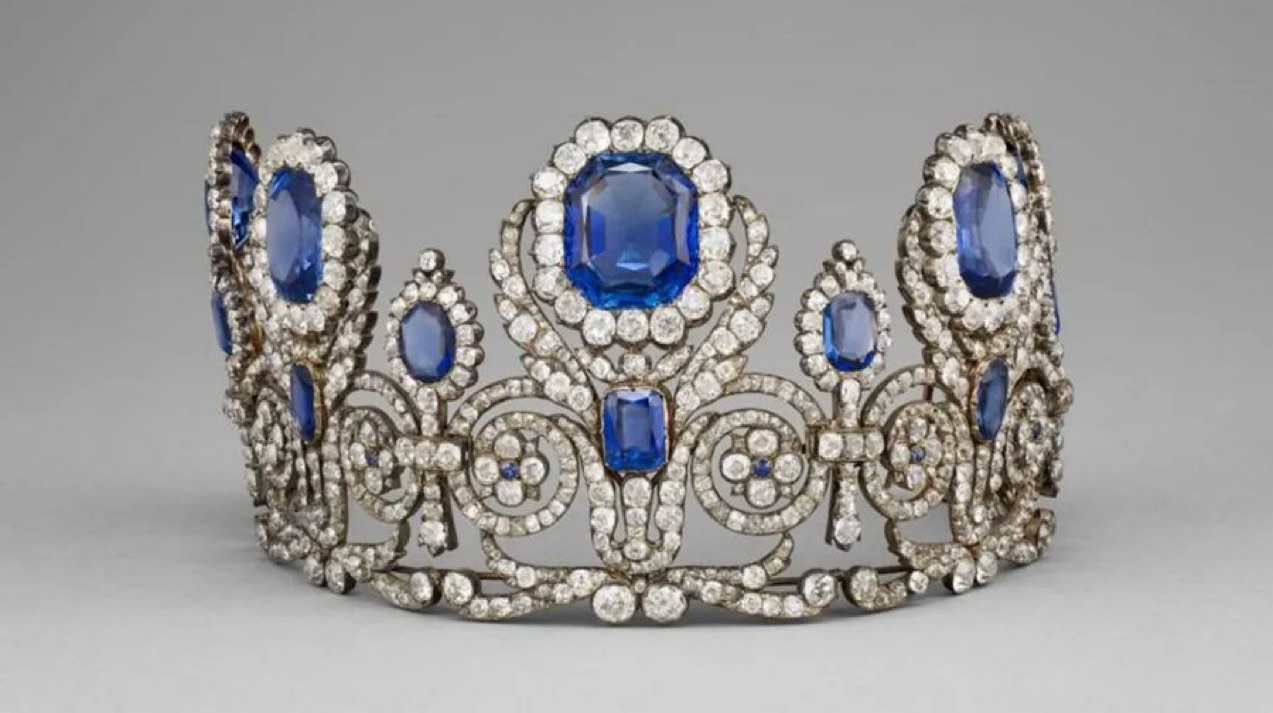
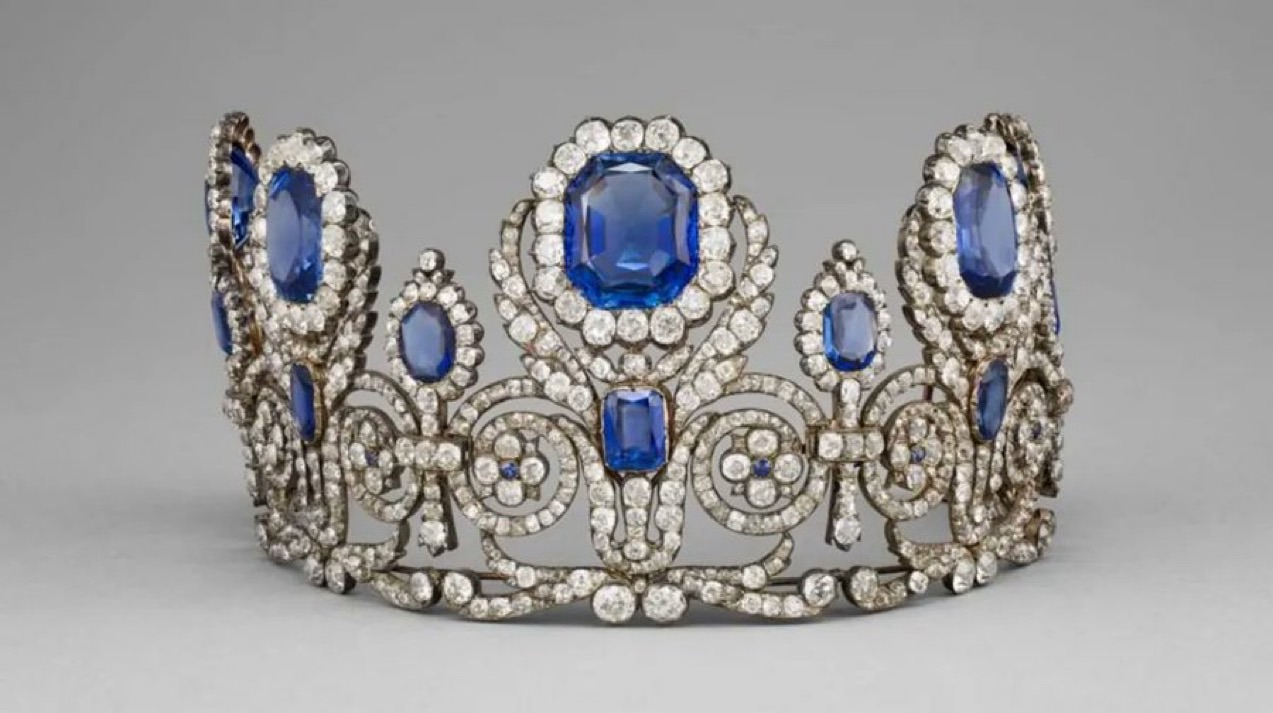
* The Diadème of the Duchesse d’Angoulême (Queen Marie-Amélie’s sapphire and diamond tiara)
* Empress Eugénie’s pearl and diamond tiara
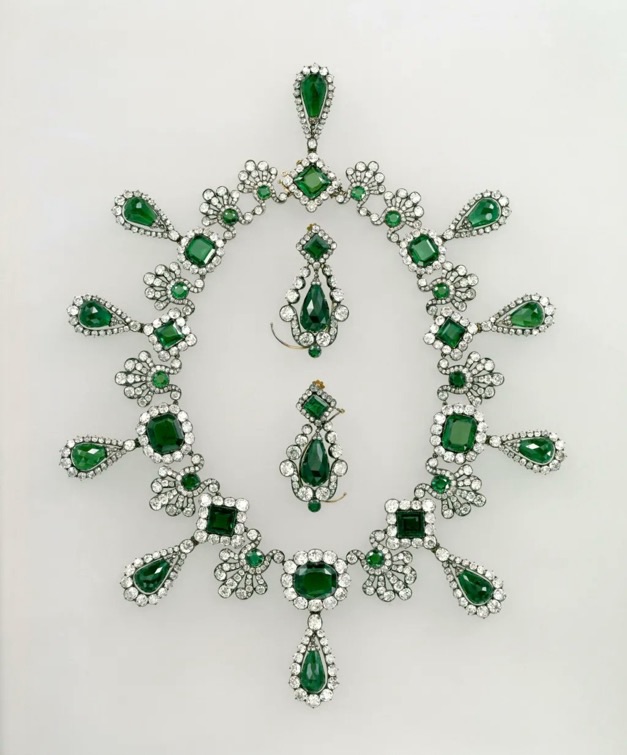
* An emerald and diamond necklace and matching earrings gifted by Napoleon to his second wife, Empress Marie-Louise.
Paris Prosecutor Laure Beccuau has stated there is currently no evidence of an inside job, but has not ruled out that the gang was working for a larger network or a wealthy, private collector.
However, art recovery experts and black-market specialists have expressed grave concerns. They believe it is highly unlikely the jewels will ever be seen again in their original form. The historical significance of the pieces makes them “unsellable” on the open market. The most probable fate is that the historic items have already been broken apart, with the precious stones recut to disguise their origin and the gold melted down for quick cash.
While the Louvre has reopened and officials have pledged to upgrade their “outdated” security systems, the cultural damage is done. The fear is that France has not just lost €88 million in gems, but a tangible link to its imperial past.