Four candidates are under consideration to replace Tulsi Gabbard as Director of National Intelligence, according to sources familiar with the administration’s deliberations. The list includes Representative Elise Stefanik, who recently withdrew from the New York governor race; Representative Scott Perry, whose phone was seized by the FBI in connection with January 6 investigations; Representative Devin Nunes, who left Congress to lead Trump’s social media company; and Representative Rick Crawford, current chairman of the House Intelligence Committee.
The composition of the shortlist reveals divergent profiles and varying degrees of intelligence community experience. Crawford stands apart as the only candidate with active oversight responsibilities and established relationships within the intelligence apparatus. His chairmanship of the committee responsible for monitoring the eighteen intelligence agencies provides institutional knowledge that the other three candidates lack.
Stefanik’s withdrawal from the governor race signals potential administration alignment, though her background centers on political communications rather than intelligence operations. Perry’s selection would carry significant controversy given ongoing federal scrutiny of his role in post-election activities. Nunes’s transition from congressional service to private sector media ventures represents a departure from traditional intelligence leadership pathways.
The DNI position requires Senate confirmation and coordination across civilian and military intelligence organizations. Crawford’s current role provides direct exposure to these structures, potentially smoothing transition challenges that outsider appointees typically face. The administration’s final selection will indicate whether priority is placed on political loyalty or operational continuity within the intelligence community.
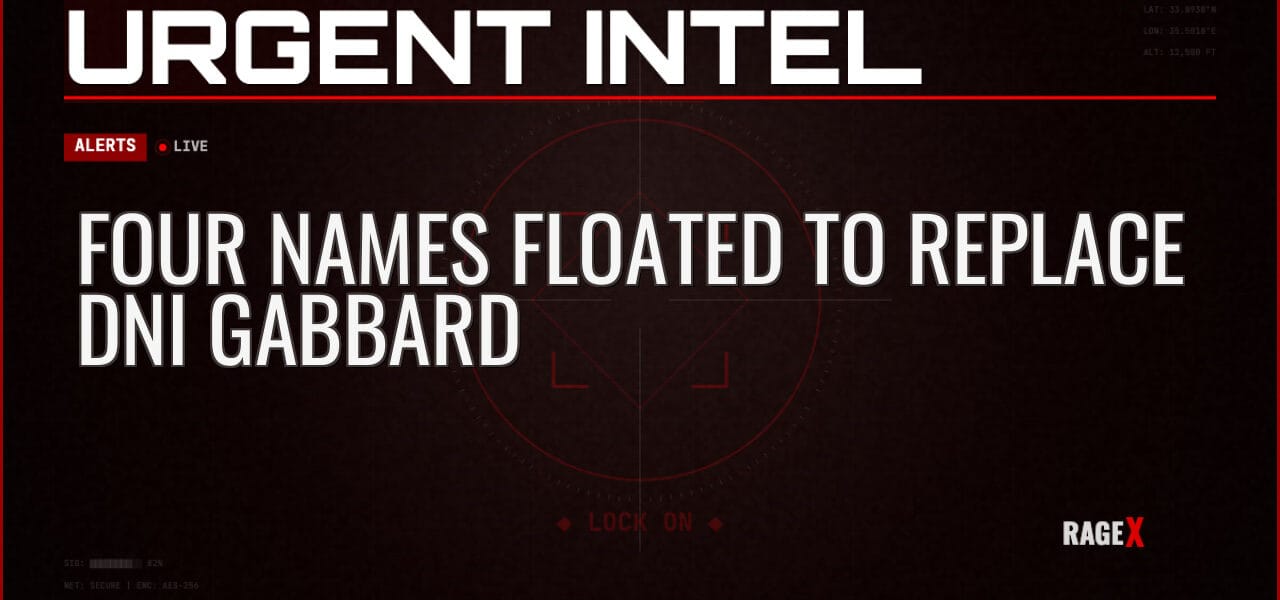
Four Names Floated to Replace DNI Gabbard
Four candidates emerge for DNI replacement including Stefanik, Perry, Nunes, and Intelligence Committee Chairman Crawford. Only Crawford possesses active intelligence oversight experience, highlighting tension between political loyalty and institutional knowledge in administration deliberations.