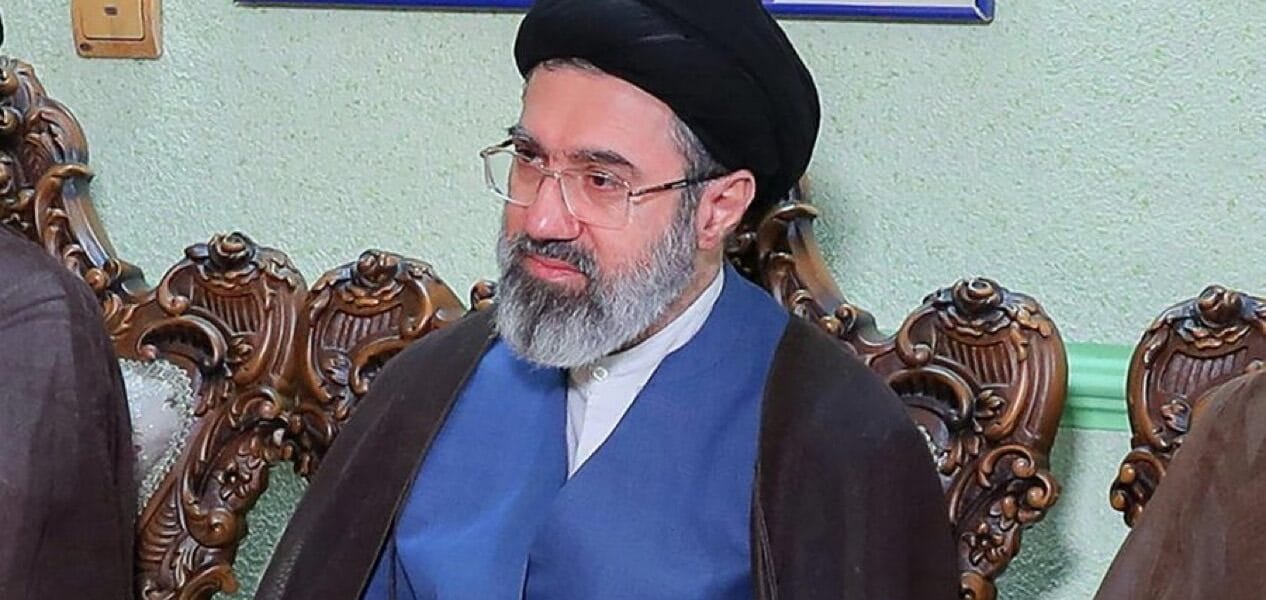

Iran’s Supreme Leader Mojtaba Khamenei sustained far more severe wounds than previously disclosed in the February 28 airstrike that killed his father, sources close to his medical care revealed Wednesday. The 56-year-old cleric has undergone three leg operations and awaits prosthetic fitting, while severe facial burns have rendered speech difficult and will likely require future plastic surgery.
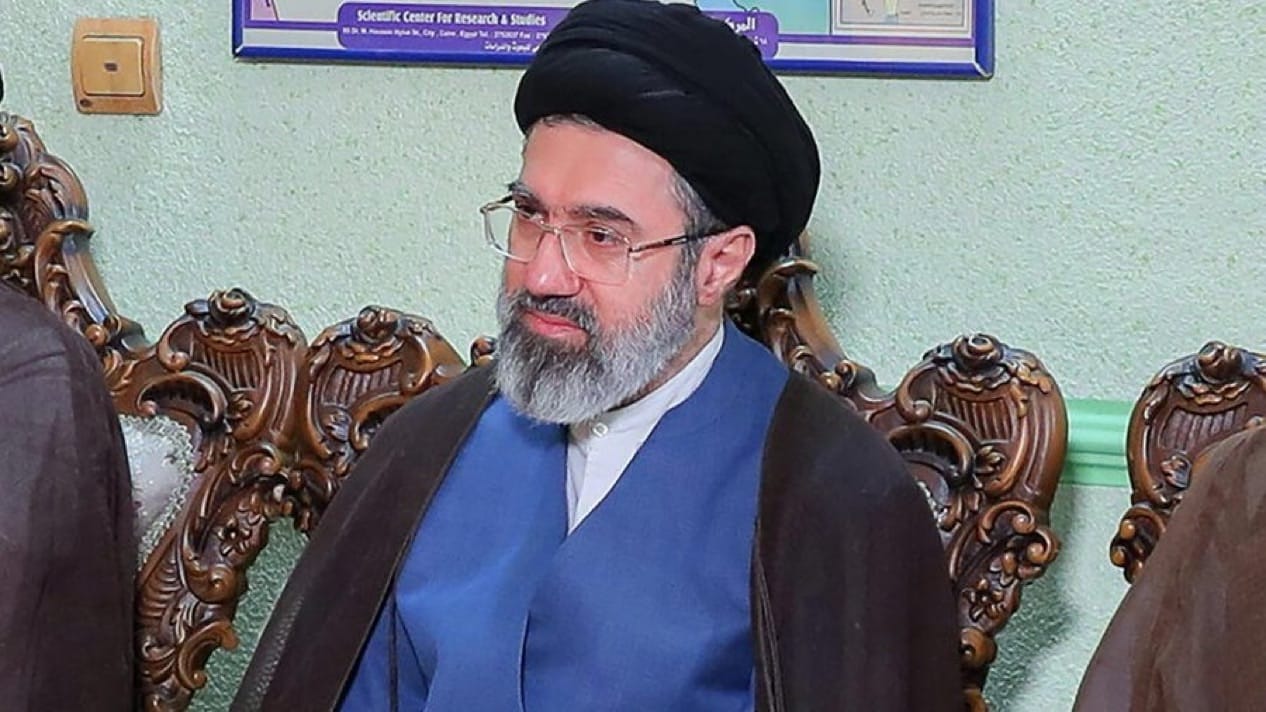
Access to Khamenei is now extremely restricted, limited primarily to his medical team. President Masoud Pezeshkian, a heart surgeon by training, and Iran’s Health Minister are personally involved in his treatment, underscoring both the gravity of his condition and the regime’s determination to sustain leadership continuity.
The expanded medical portrait explains Khamenei’s total absence from public view since his March 8 appointment. Previous reports described severe facial disfigurement and significant leg trauma; the prosthetic requirement and speech impairment indicate substantially greater disability than acknowledged. His engagement in state affairs through audio conferencing—previously framed as precautionary—now appears medically necessary.
The leadership vacuum created by Khamenei’s incapacitation likely contributes to Iranian negotiating incoherence and internal factional struggle. Ghalibaf’s recent hardline rejection of talks, contradicting his earlier pragmatic posture, may reflect power realignment among officials competing to speak for an unseen, grievously wounded supreme leader.
Pezeshkian’s direct medical involvement raises questions about presidential authority expansion during Khamenei’s recovery. Whether this represents temporary caretaker arrangement or longer-term power shift depends on prognosis, which remains undisclosed. The regime’s opacity about succession planning—already disrupted by Ali Khamenei’s death and Mojtaba’s wounding—now faces additional uncertainty about whether the current leader can ever assume public duties.