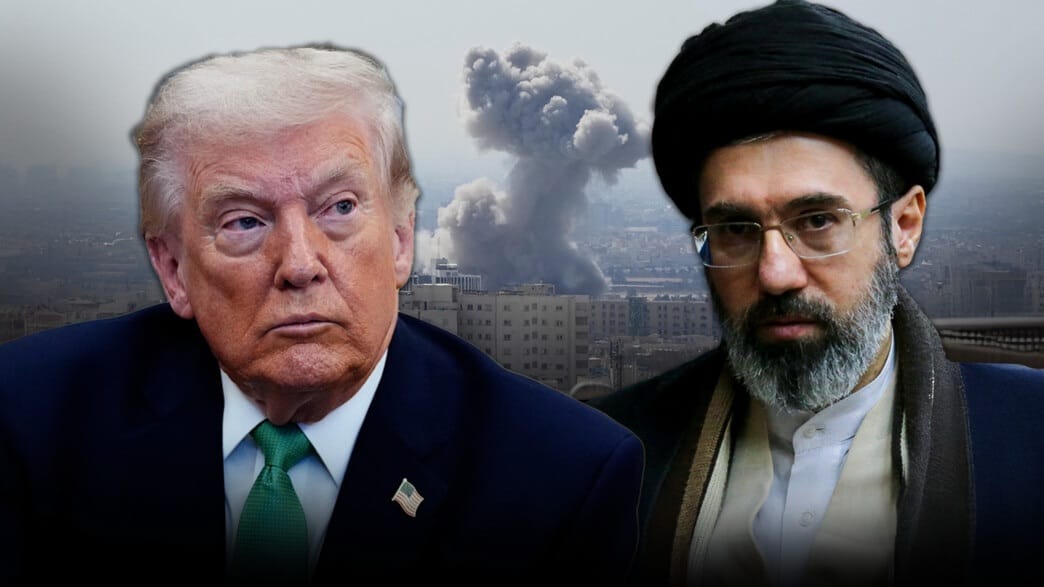

A U.S.-backed framework to end the war with Iran is taking shape, centered around a proposed 15-point agreement and a temporary ceasefire. The plan, reportedly supported by Donald Trump, is already being explored behind the scenes—triggering serious concern within Israeli leadership.
According to sources, the initiative is being advanced by senior advisors Jared Kushner and Steve Witkoff, aiming to rapidly transition from active conflict to negotiations.
⸻
The Core Framework
The proposal revolves around:
▪️ A one-month ceasefire
▪️ Immediate negotiations toward a 15-point agreement
▪️ A model similar to previous frameworks used in Gaza and Lebanon
The strategy appears designed to freeze the battlefield quickly, then address deeper issues through phased negotiations.
⸻
Key U.S. Demands on Iran
The proposed conditions are extensive and highly restrictive:
• Complete dismantling of nuclear capabilities
• Permanent commitment to never pursue nuclear weapons
• Zero uranium enrichment on Iranian soil
• Transfer of all enriched material to the International Atomic Energy Agency (IAEA)
• Destruction of key facilities: Natanz, Isfahan, Fordow
• Full and unrestricted IAEA inspections
• Termination of Iran’s proxy network strategy
• Halt to funding and arming regional groups
• Guarantee of free navigation in the Strait of Hormuz
• Future missile program limitations (range and quantity)
These demands effectively aim to neutralize Iran’s strategic military and nuclear capabilities.
⸻
What Iran Would Receive
In return, Iran would gain significant incentives:
▪️ Full removal of international sanctions
▪️ Support for a civilian nuclear energy program (Bushehr)
▪️ Elimination of the “snapback” sanctions mechanism
This combination offers economic recovery and international reintegration.
⸻
Why Israel Is Concerned
Israeli officials are deeply uneasy about the structure of the deal:
▪️ Fear that a ceasefire comes first, before key issues are resolved
▪️ Concern Iran could buy time and regroup
▪️ Risk of a vague framework agreement with delayed enforcement
The central worry is that Iran could emerge strategically stronger if details are postponed while pressure is lifted.
⸻
Likelihood of Acceptance
Most analysts doubt Iran will accept the terms in full:
▪️ The demands require total strategic rollback
▪️ They challenge Iran’s core defense doctrine
▪️ They impose unprecedented transparency and restrictions
However, a partial or framework agreement remains possible—where both sides agree on principles while leaving difficult issues unresolved.
⸻
Strategic Implications
If implemented, the plan could:
▪️ End active hostilities in the short term
▪️ Shift the conflict into a diplomatic phase
▪️ Create tension between U.S. and Israeli strategies
▪️ Redefine regional power dynamics
But if poorly structured, it could also:
▪️ Allow Iran to retain hidden capabilities
▪️ Lead to a temporary pause rather than a true resolution
⸻
Outlook
The proposed 15-point plan represents a high-stakes diplomatic gamble.
It balances:
▪️ Rapid de-escalation
▪️ Long-term strategic containment of Iran
Whether it succeeds depends on two critical factors:
1. Iran’s willingness to compromise
2. The U.S. decision on whether to prioritize speed over substance
For now, the plan remains under discussion—but it is already reshaping the strategic debate across the region.
⸻