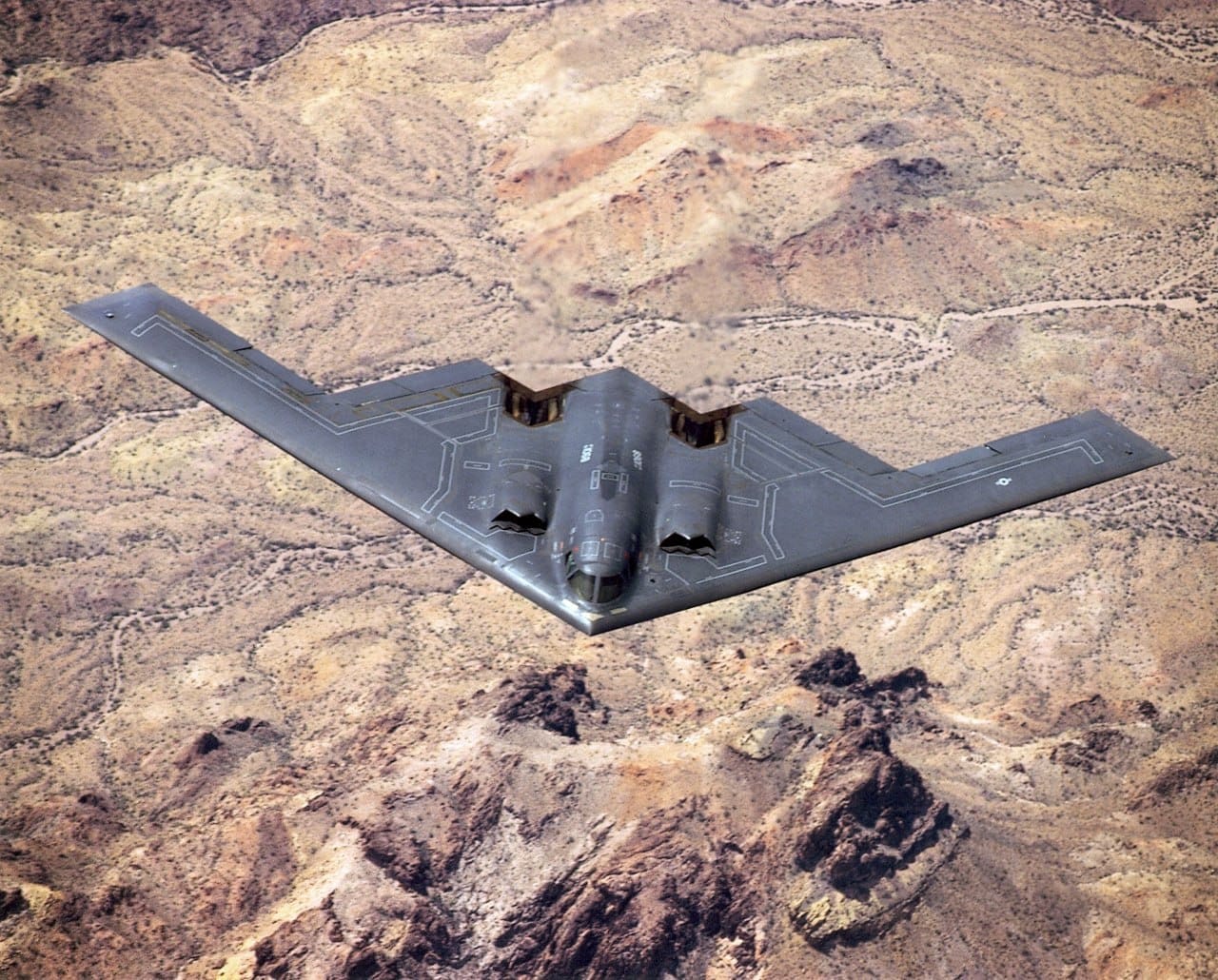

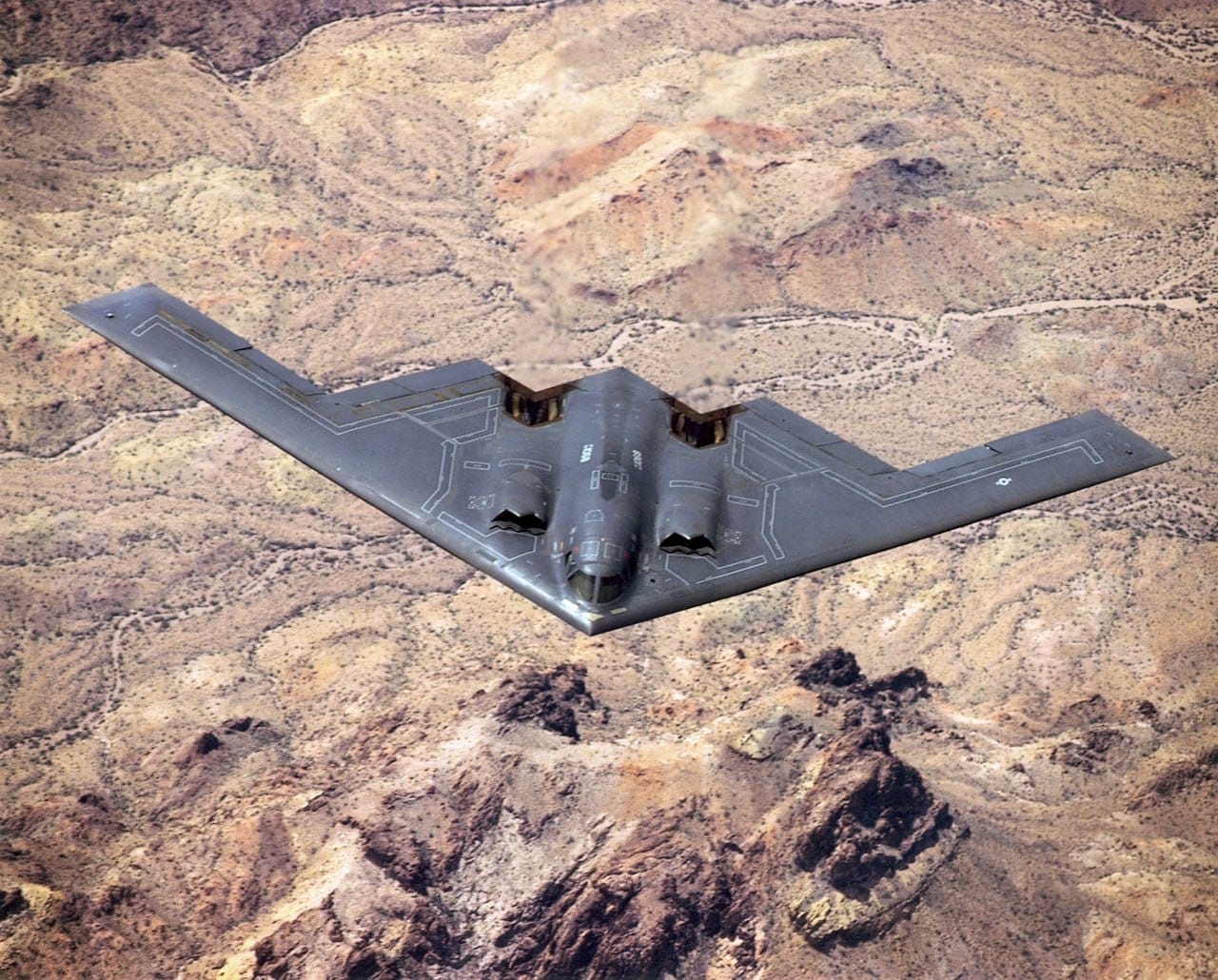
The United States military has escalated its ongoing air campaign against the Islamic Republic, deploying its most advanced heavy bombers to neutralize Tehran’s deeply buried retaliatory capabilities. On Sunday morning, March 1, 2026, four U.S. Air Force B-2 Spirit stealth bombers were confirmed to be returning to the United States after executing a massive nighttime strike deep inside Iranian territory.
Targeting the Subterranean Arsenal
As Operation “Epic Fury” enters its next phase, the Pentagon has shifted its crosshairs from command-and-control decapitation to systematically dismantling Iran’s hardened ballistic missile infrastructure.
* The Cave Networks: According to a senior American official speaking to geopolitical reporter Barak Ravid, the primary objective of the overnight B-2 bomber mission was to completely destroy a series of highly classified Iranian missile launch pads.
* Buried Deep: The targeted launch sites were not standard surface installations, but were instead heavily fortified within a complex network of underground caves, designed specifically by the Islamic Revolutionary Guard Corps (IRGC) to survive standard aerial bombardment.
A Grueling Global Strike
The deployment of the B-2 Spirit underscores the severity and specialized nature of the target bank. Capable of carrying massive, 30,000-pound GBU-57 Massive Ordnance Penetrator (MOP) bunker-busters, the B-2 is the only aircraft in the U.S. arsenal designed to crack subterranean targets buried hundreds of feet beneath solid rock.
* Round-Trip from Missouri: Radio communications and flight tracking analysts confirmed that the four stealth bombers flew a grueling, non-stop round-trip mission directly from Whiteman Air Force Base in Missouri.
* Mid-Air Logistics: The mission required intense coordination and multiple mid-air refuelings over the Atlantic and Mediterranean, escorted by electronic warfare aircraft to ensure the bombers remained entirely undetected as they slipped into Iranian airspace.
Neutralizing the “Second Wave”
The destruction of the underground launch pads is a critical tactical priority for U.S. CENTCOM. Following Saturday’s unprecedented Iranian saturation strike against U.S. bases in Qatar, Bahrain, and the UAE, allied forces are racing to destroy the IRGC’s remaining ballistic missile inventory before the disorganized, surviving Iranian commanders can coordinate a devastating “second wave” of retaliatory strikes across the Gulf.