
U.S. President Donald Trump is reportedly considering multiple options for deploying U.S. ground forces inside Iran, marking a potential escalation beyond the current air and naval campaign.
According to officials familiar with internal discussions, no final decision has been made, but planning is actively underway for limited, high-impact ground operations aimed at accelerating the end of the war.
⸻
Potential Military Options
Several operational scenarios are being evaluated:
• Securing the Strait of Hormuz
▪️ Deploying troops to Iranian coastal areas or nearby islands
▪️ Ensuring safe passage for global shipping routes
• Seizing Strategic Oil Infrastructure
▪️ Targeting facilities such as Kharg Island
▪️ Cutting off Iran’s primary economic lifeline
• Recovering Nuclear Material
▪️ Locating and securing highly enriched uranium
▪️ Eliminating long-term nuclear risks
These operations would likely involve hundreds to thousands of troops, depending on scope and duration.
⸻
High-Risk, High-Impact Strategy
Officials emphasize that any ground deployment would be:
• Short-term and mission-specific
• Focused on strategic objectives rather than full-scale invasion
• Significantly riskier than current air operations
Military experts warn that such missions carry a high probability of casualties and could trigger retaliation from Iranian-backed militias across the region.
⸻
Why Now?
Recent U.S. and Israeli strikes have:
• Degraded Iran’s military infrastructure
• Reduced missile and drone capabilities
• Created conditions that some officials describe as “lower risk” for limited ground operations
However, risks remain substantial, particularly with Iran’s ability to mobilize asymmetric responses, including fast-attack naval units and proxy forces.
⸻
Strategic Pressure Points
Key areas under consideration include:
• Hormuz chokepoints, where global oil flows are most vulnerable
• Iranian-controlled islands such as Abu Musa and the Greater and Lesser Tunbs
• Energy infrastructure hubs critical to Iran’s economy
⸻
Political & Global Factors
The discussions come amid:
• Rising global energy concerns
• Growing domestic political pressure داخل الولايات المتحدة
• Strategic disagreements between the U.S. and regional allies
At the same time, Gulf states are pushing for de-escalation, fearing long-term instability.
⸻
Current Military Posture
• Approximately 50,000 U.S. troops are already deployed across the Middle East
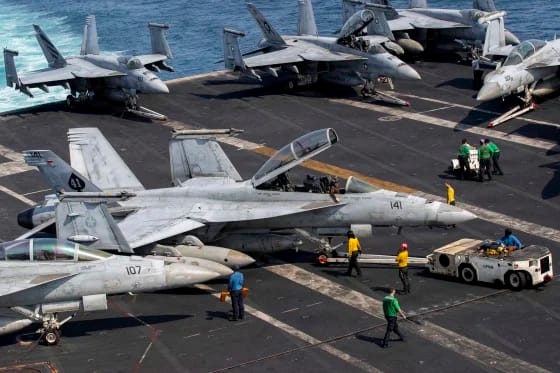
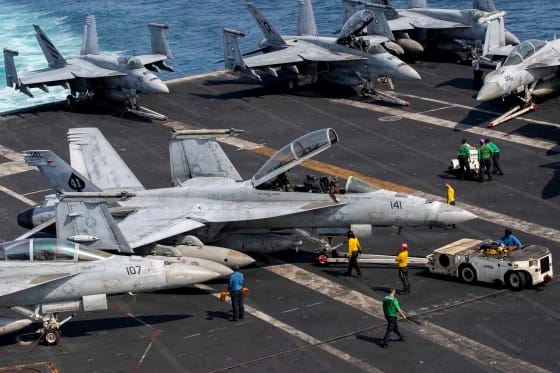
• Additional Marines and naval assets are being moved into the region
• Operations so far have been conducted primarily via airstrikes and naval power
⸻
Outlook
While the U.S. has not committed to deploying ground troops, the fact that such options are under serious consideration signals a potential turning point in the conflict.
A limited ground operation could:
• Accelerate the end of the war
• Reshape regional power dynamics
• Increase risks of broader escalation
For now, the situation remains highly fluid, with decisions expected to depend on battlefield developments and strategic calculations in the coming days.
⸻