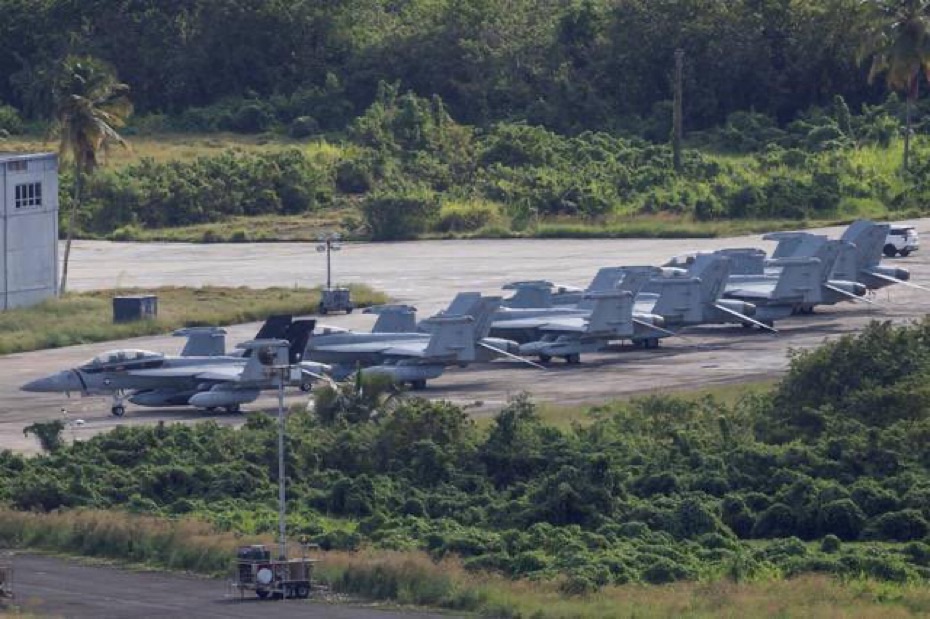

The Pentagon is continuing to rapidly and significantly increase its military capabilities for Operation Southern Spear, a mission that began as a counter-narcotics effort but is now overtly aimed at increasing pressure on Venezuelan President Nicolás Maduro. The current build-up is the largest American military presence in the Caribbean since the 1989 Panama invasion.
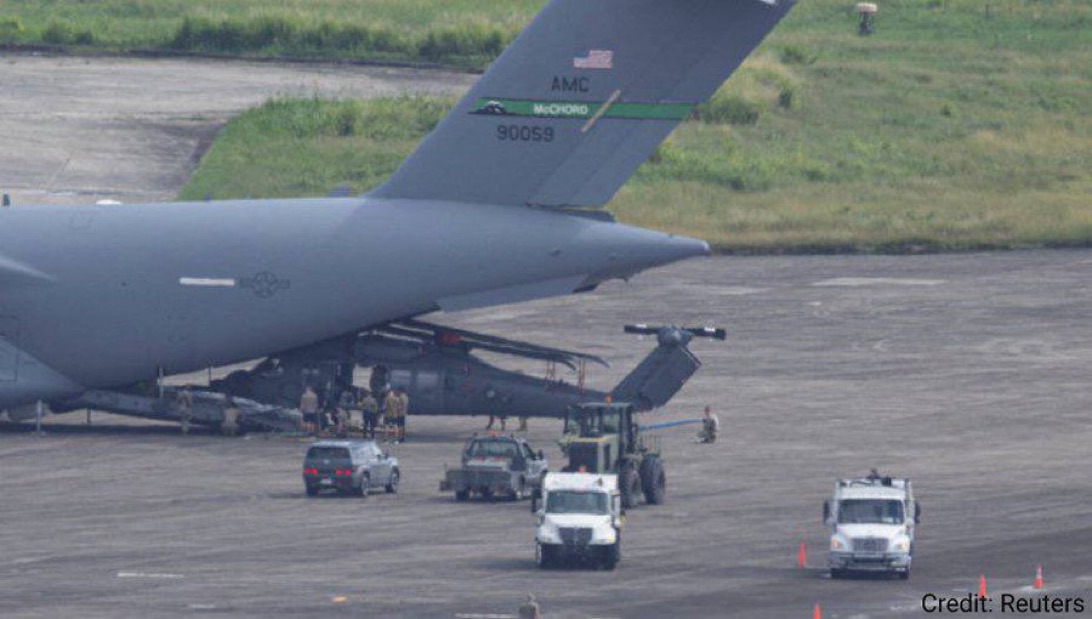
Force Deployment and Key Assets
The latest wave of deployments has transformed the U.S. posture in the region, making it better equipped for tactical air combat operations over hostile territory. New assets have been deployed to staging hubs in Puerto Rico and the Dominican Republic:
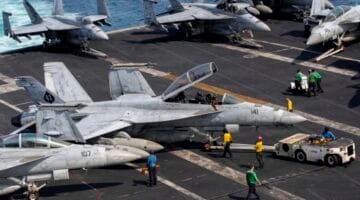
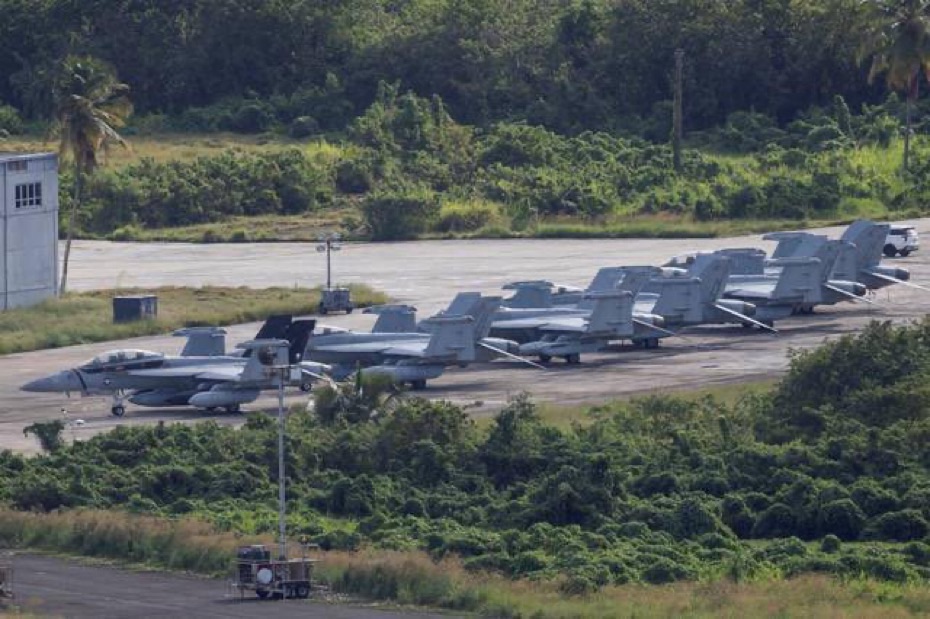
* Electronic Warfare (EW) Aircraft: Approximately six U.S. Navy EA-18G “Growler” electronic attack jets (nearly a full squadron) arrived at the former Naval Station Roosevelt Roads in Puerto Rico. The Growlers are force multipliers whose core strengths lie in suppressing enemy air defenses (SEAD) and protecting strike packages.
* F-35 Fighter Jets: The fifth-generation stealth fighters are being deployed in two forms:
* F-35A Joint Strike Fighters from the Vermont Air National Guard are being sent to the Caribbean—the first USAF tactical jets to do so. The F-35A offers the ability to drop 2,000lb-class guided bombs on targets deep inside Venezuelan airspace.
* F-35B aircraft from the U.S. Marine Corps have been operating armed patrols over the Caribbean since at least mid-September.
* Combat Search and Rescue (CSAR): Dedicated CSAR aircraft have arrived in Puerto Rico, a clear sign that the administration is preparing for high-risk operations, potentially involving inland strikes against cartels. These include HC-130J Combat King II planes and HH-60W Jolly Green Giant II helicopters.
* Aerial Tankers: To support extended flight times for the strike aircraft, KC-135 Stratotanker aerial refuelers are now flying missions out of the Dominican Republic. Additionally, KC-46 Pegasus tankers have been flying sorties out of the U.S. Virgin Islands. Forward deploying these tankers reduces transit time and increases the time aircraft can spend on station.
Strategic Objectives and Escalation
The deployment of these advanced assets suggests the mission is moving beyond simple counter-narcotics interdiction toward preparing for tactical air combat operations. The F-35A deployment, in particular, signals the potential for deep strikes against high-value targets.
* Staging Hubs: The former Naval Station Roosevelt Roads in Puerto Rico is serving as the primary logistics hub for the bulk of U.S. land-based operations. The use of the Dominican Republic as a secondary staging area for tankers represents a widening of the mission’s footprint.
* Political Context: The buildup is framed as a mission to “defend our Homeland, remove narco-terrorists from our Hemisphere, and secure our Homeland from the drugs”. This escalation directly follows the seizure of a sanctioned Venezuelan oil tanker and a new round of sanctions against Maduro’s family and oil networks.
Despite the overwhelming buildup, White House spokesperson Karoline Leavitt stated on Thursday that President Trump is not interested in a “protracted conflict” in Venezuela but wants to “see the end of illegal drugs trafficked into the United States”.