
The United States military is fundamentally shifting its defensive strategy in the Middle East by deploying a massive swarm of counter unmanned aerial systems. In a calculated move to neutralize the greatest asymmetric threat posed by the surviving Iranian regime, the Pentagon is rapidly deploying ten thousand Merops interceptor drones across the volatile region. This unprecedented deployment finally provides American forces with a desperately needed, cost-effective solution to successfully counter the relentless barrages of cheap Iranian suicide drones that have severely strained allied defense networks.
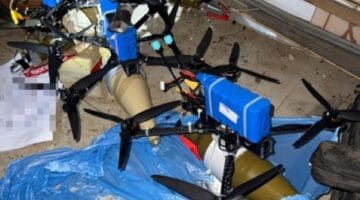
For several months, the Iranian military and its sprawling regional proxy networks have aggressively exploited a glaring economic vulnerability embedded within traditional American air defense doctrine. By deliberately launching massive swarms of cheap, propeller-driven Shahed loitering munitions, which cost approximately twenty thousand dollars to manufacture, Tehran systematically drained American stockpiles. United States commanders were routinely forced to fire advanced Patriot interceptor missiles, costing roughly four million dollars each, simply to swat down these rudimentary aerial threats. This unsustainable cost-to-kill ratio was rapidly bleeding the American military dry, creating a terrifying mathematical equation favoring the enemy’s strategy of absolute tactical attrition.
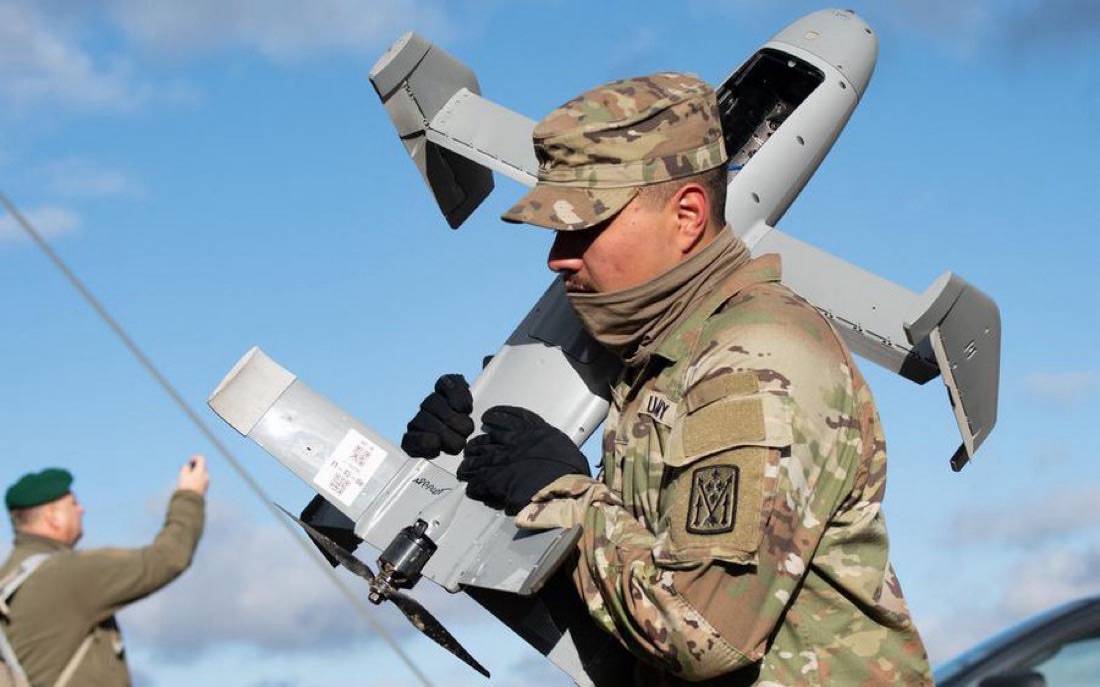
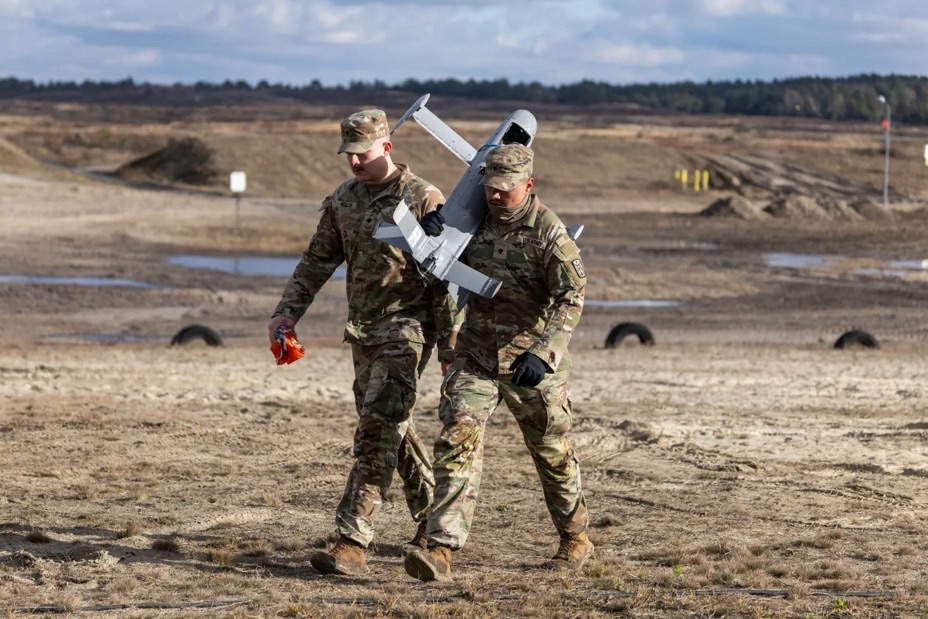
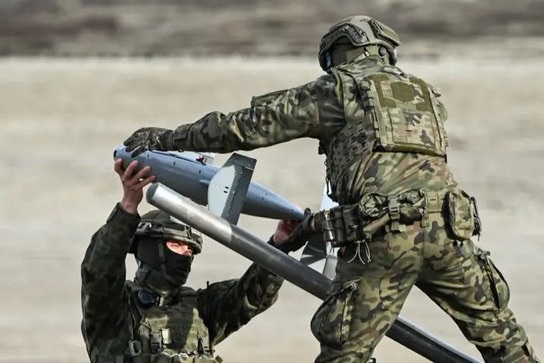
The introduction of the Merops system completely shatters this tactical advantage. These cutting-edge interceptors fundamentally change the economics of modern warfare. Instead of relying on expensive explosive warheads and complex radar arrays, these sleek interceptors use advanced artificial intelligence and machine vision to autonomously track and kinetically destroy incoming Shaheds in midair. Currently priced at fourteen thousand dollars per unit, the defense department projects that manufacturing costs will rapidly plummet to between three and five thousand dollars as production scales to fulfill the ten thousand unit deployment order. A three thousand dollar drone eliminating a twenty thousand dollar drone is revolutionary.
By executing this massive deployment, Washington is officially adopting the highly successful defensive playbook initially pioneered by Ukraine. The Merops system concept was extensively battle-tested in Eastern Europe, where similar tactics reportedly neutralized countless Russian-operated Shahed variants during intense winter bombardments. Despite initial bureaucratic hesitation from rigid military planners who traditionally favored massive, expensive missile systems, the sheer volume of the Iranian threat within the Persian Gulf has forced the Pentagon to completely embrace this agile, drone-on-drone combat philosophy. Better late than never, this immediate tactical pivot is absolutely critical for maintaining long-term operational sustainability across the entire combat theater.
This deployment fundamentally alters the ongoing regional conflict’s trajectory. American military bases, vulnerable desert outposts, and vital commercial shipping lanes traversing the contested Strait of Hormuz will now be shielded by an impenetrable, highly autonomous drone perimeter. By successfully matching mass with mass, the United States is effectively stripping Mojtaba Khamenei of his most terrifying and disruptive asymmetrical weapon system. As the heavy strategic bombers continue to systematically dismantle the deeply buried Iranian military infrastructure from the stratosphere above, the Merops interceptors will fiercely secure the skies below. This dual approach ensures the allied coalition can prosecute the remainder of this devastating war without completely exhausting its most precious guided missile reserves today.