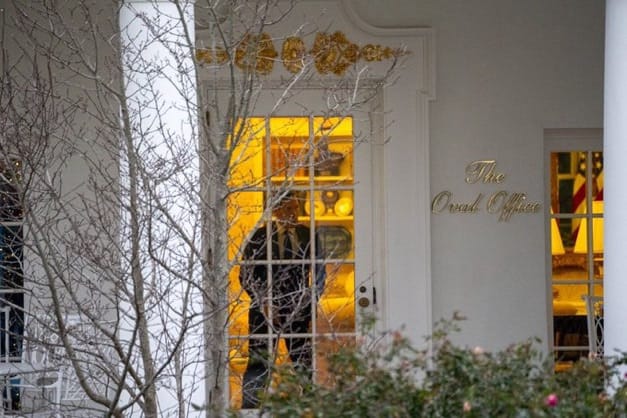

Tension has gripped Washington, D.C., as the White House announces that President Donald Trump will deliver a primetime address to the nation tonight at 9:00 p.m. EST. While the administration has not officially released the topic of the speech, high-level sources across the capital are fueling speculation that the President may be preparing to announce the commencement of hostilities against Venezuela.
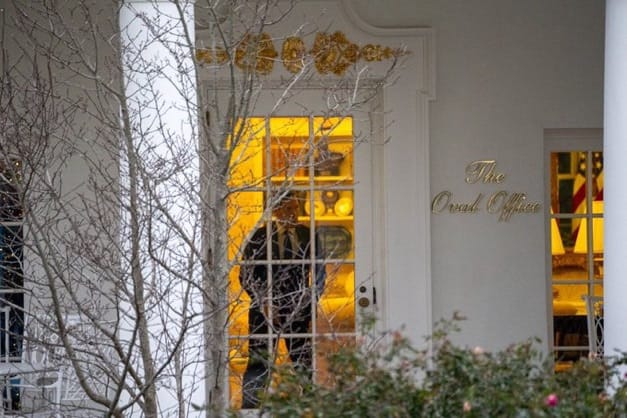
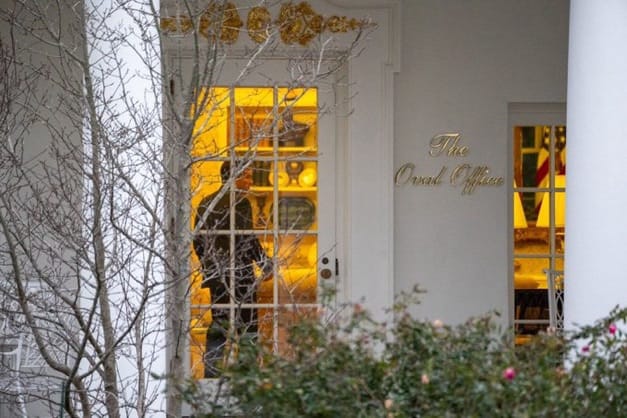
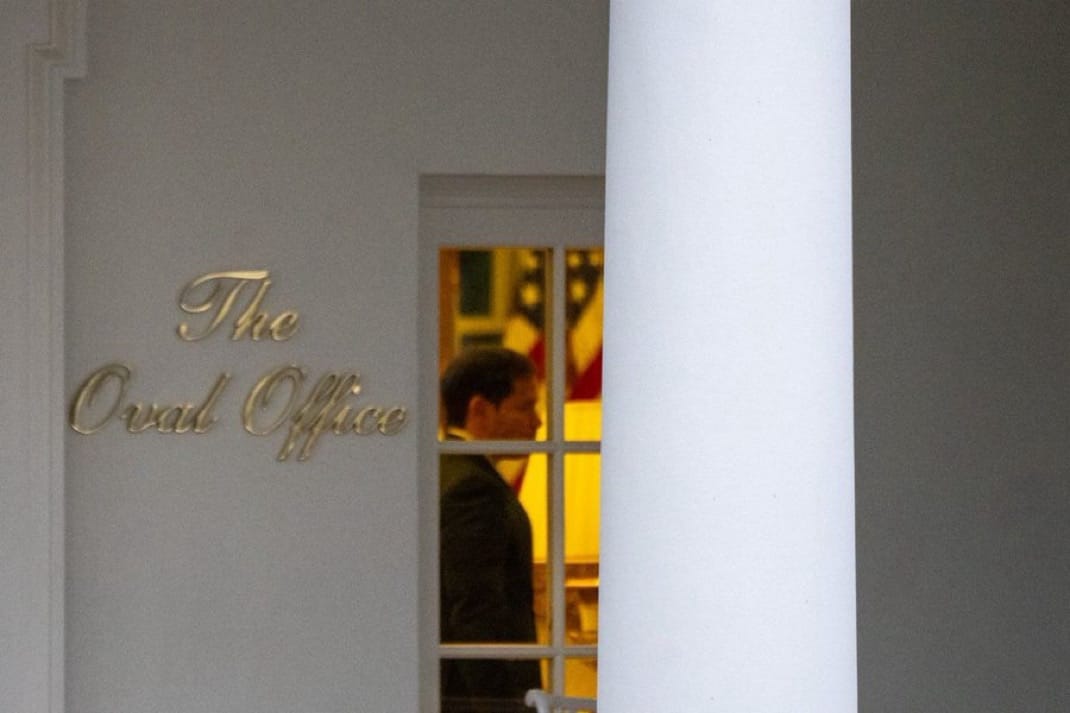
The atmosphere inside the West Wing is reportedly electric and chaotic. Cameras have captured Secretary of State Marco Rubio inside the Oval Office, waiting for the President’s return. Journalists observing the scene describe Rubio as “visibly anxious,” pacing continuously—a behavior that seasoned correspondents suggest indicates a foreign policy decision of massive magnitude is imminent. Rubio, a longtime hawk on Latin American socialism, has been a central architect of the administration’s “maximum pressure” campaign, which earlier this week escalated to a “total and complete blockade” of Venezuelan oil.
The timing of the address is particularly volatile. President Trump spent the earlier part of the day at a solemn ceremony at a military airfield, overseeing the repatriation of three American servicemembers killed in a terrorist ambush in Syria over the weekend. The emotional weight of receiving the flag-draped coffins of Sgt. Nate Howard, Sgt. Edgar Brian Torres-Tovar, and a third service member is believed to be weighing heavily on the President. Insiders suggest that the loss of American lives abroad has hardened Trump’s resolve to project strength, potentially accelerating the timeline for action against the Maduro regime, which the White House recently designated a “Foreign Terrorist Organization.”
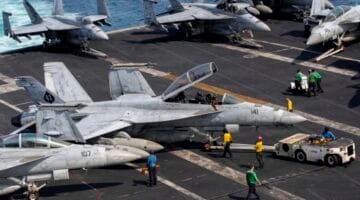
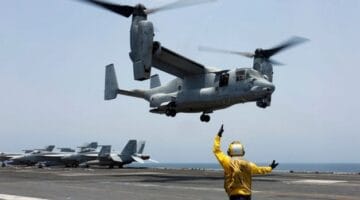
The transition from a naval blockade to active warfare would mark a historic and dangerous escalation. Defense analysts speculate that if war is declared, it would likely begin with a shock-and-awe campaign targeting Venezuelan command and control centers, air defenses, and the “shadow fleet” of oil tankers that Trump has vowed to sink or seize. The buildup of U.S. naval assets in the southern Caribbean—the largest since the 1989 invasion of Panama—supports the theory that kinetic operations are already staged and awaiting the final order.
As the clock ticks toward 9:00 p.m., the world is holding its breath. Diplomatic channels are silent, and military circuits are buzzing. The image of a pacing Secretary of State and a President fresh from mourning fallen soldiers paints a grim picture: the United States appears to be on the brink of opening a new front in the Western Hemisphere, one that could redefine the geopolitical landscape of the Americas for decades to come.