


Poland has decided to resume the production of anti-personnel mines for the first time since the Cold War, marking a significant shift in its defense strategy amid rising tensions with Russia. In an exclusive statement to Reuters on Wednesday, Deputy Defence Minister Pawel Zalewski confirmed that the country plans to manufacture the mines in “large quantities as soon as possible” to fortify its eastern border with Belarus and the Russian exclave of Kaliningrad.
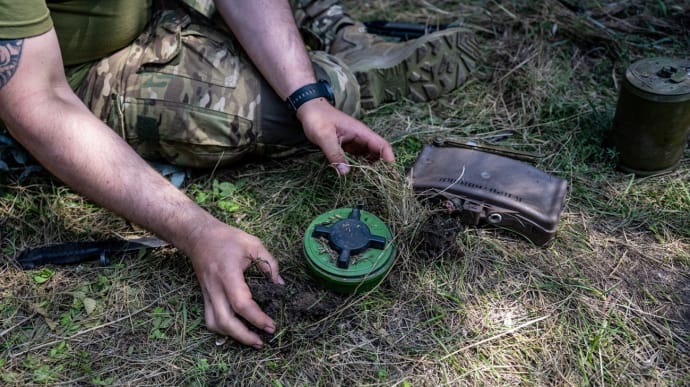
The decision aligns with a broader regional trend where European nations bordering Russia—including the Baltic states—are moving to withdraw from the Ottawa Convention, the international treaty banning such weapons. Poland initiated its withdrawal process in August 2025, with the exit expected to be finalized by February 20, 2026, clearing the legal path for production to commence.
The mines will be a key component of Poland’s “East Shield” program, a comprehensive defensive initiative designed to deter potential aggression. “We are interested in large quantities as soon as possible,” Zalewski stated, emphasizing the urgency of the requirement.
Beyond domestic defense, Zalewski revealed that Poland may export these mines to Ukraine to aid its ongoing war effort against Russia. While Poland’s own security needs will take priority, state-owned manufacturer Belma has indicated it is preparing to ramp up production significantly. Belma CEO Jaroslaw Zakrzewski told Reuters that the company could produce up to 1.2 million mines of all types annually next year, with total Polish demand potentially reaching 5-6 million units. NATO allies in the region have also signaled interest in purchasing the mines once production is online.
This move effectively ends Poland’s decades-long adherence to the mine ban treaty, a decision officials argue is necessary because Russia, which is not a signatory, faces no such restrictions.