

The Houthi movement, also known as Ansar Allah, has officially confirmed the death of its Prime Minister, Ahmad Ghaleb Al-Rahwi, along with several other ministers. The announcement, made through a statement, validates previous reports of a devastating Israeli airstrike on the Houthi-controlled capital of Sana’a. The group stated that the “martyrdom” of the prime minister and a number of his colleagues occurred last Thursday during what they described as a “routine government workshop.” The statement also confirmed that several other ministers were wounded, with injuries ranging from moderate to serious.
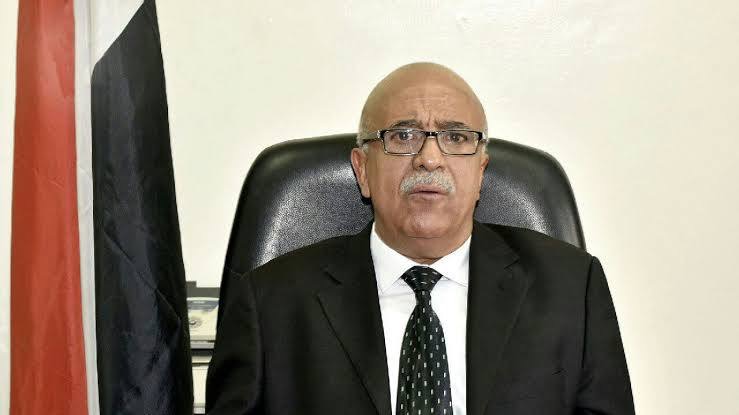
This official confirmation comes after a period of conflicting reports and speculation, with Israeli media initially suggesting that the entire Houthi cabinet may have been killed in the strike. The Houthis had initially denied that any of their top leaders had been killed, dismissing the Israeli reports as “fake news.” However, the group’s official admission now confirms that the strike was a major blow to its political leadership. The Houthi statement also affirmed that government institutions would continue to provide services and would not be affected by the deaths.
The airstrike that led to the death of the prime minister and his associates was reportedly a highly targeted operation by the Israeli military. This is part of a broader Israeli strategy to strike key Houthi leaders and infrastructure in response to the group’s ongoing missile and drone attacks on Israel and international shipping in the Red Sea. The Houthis, backed by Iran, have been a persistent threat to regional stability, and their attacks are a show of solidarity with Palestinians in the Gaza Strip.
The death of Al-Rahwi and other ministers represents a significant escalation in the regional conflict. The strike not only targeted the group’s military leadership, as confirmed in previous reports, but also its political and administrative heads. This action signals a new phase in the conflict, where Israel is willing to strike deep within Houthi-controlled territory and target the highest echelons of the group’s leadership.
While the Houthis have vowed that their institutions will remain operational, the assassination of their prime minister and several ministers will undoubtedly have a profound impact on the group’s command, control, and governance. It raises questions about who will replace the fallen leaders and whether the group will be able to maintain its operational effectiveness in the face of such a severe blow. The regional tensions are expected to escalate further as the Houthis and their allies consider their response to this targeted attack.