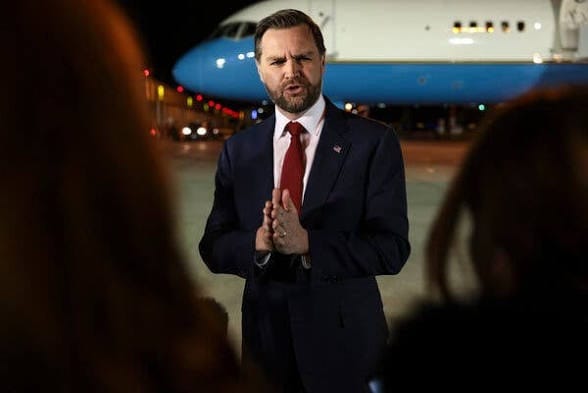

Vice President JD Vance departed Washington Friday for Pakistan to lead the most senior U.S.-Iranian engagement since 1979, with one official declaring “he is going to the Super Bowl.” The historic Islamabad talks face severe headwinds as both sides accuse each other of ceasefire violations and fundamental disagreements persist about negotiation scope.
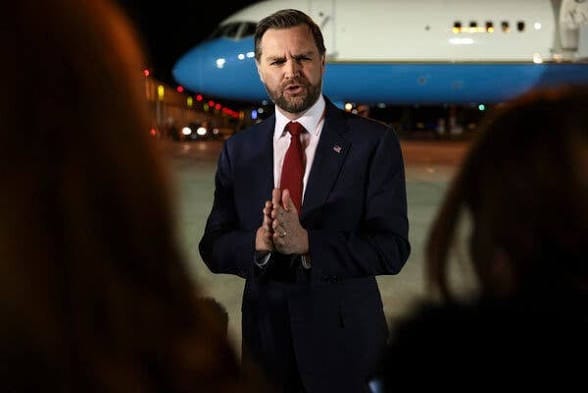
Vance requested the diplomatic role personally, seeking to overcome toxic history between Iranian officials and Trump’s envoys Steve Witkoff and Jared Kushner. Tehran views the previous negotiators as deceptive; Vance’s involvement offers fresh credibility given his initial skepticism about military intervention. His delegation includes National Security Council, State Department, and Defense Department officials.
Iranian Parliament Speaker Mohammad Bagher Ghalibaf threatened boycott two hours after Vance’s departure, demanding Lebanon ceasefire implementation and release of blocked assets before negotiations commence. President Trump responded with thinly veiled threats against Iranian leadership, posting that Tehran has “no cards” and survival depends solely on bargaining.
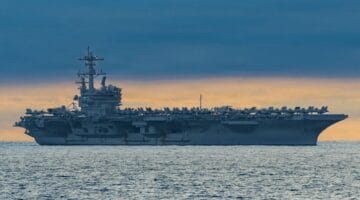
The compressed timeline reflects Trump’s impatience. The President announced warships are loading “the best weapons ever made” for potential deployment within 24 hours if talks collapse. Administration sources acknowledge Trump is “getting ready to resume the war” after Iranian behavior “pissed him off.”
Officials recognize that meaningful agreement requires weeks or months, necessitating ceasefire extension that depends on Vance delivering tangible progress this weekend. The Vice President struck optimistic tone before departure while warning of consequences for bad faith, stating Iranians who “try to play us” will find the team “not that receptive.”