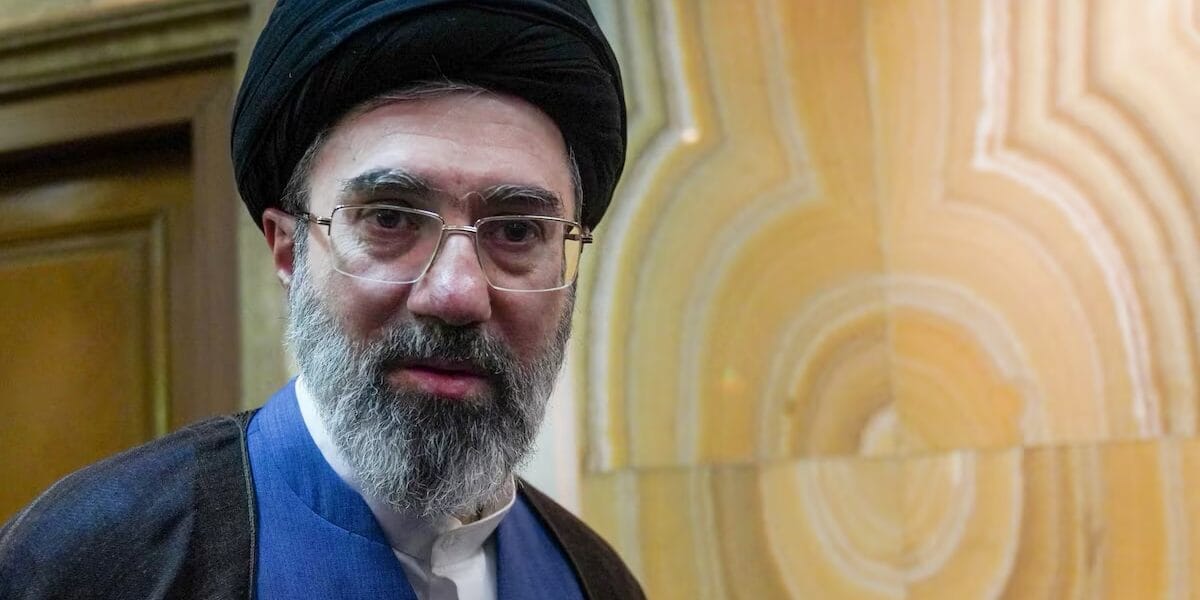

Iran’s new Supreme Leader Mojtaba Khamenei is recovering from severe facial disfigurement and significant leg injuries sustained in the February 28 airstrike that killed his father, three sources close to his inner circle confirmed Friday. The wounds have kept the 56-year-old cleric from public view since his March 8 appointment, with all official engagement conducted through audio conferencing.
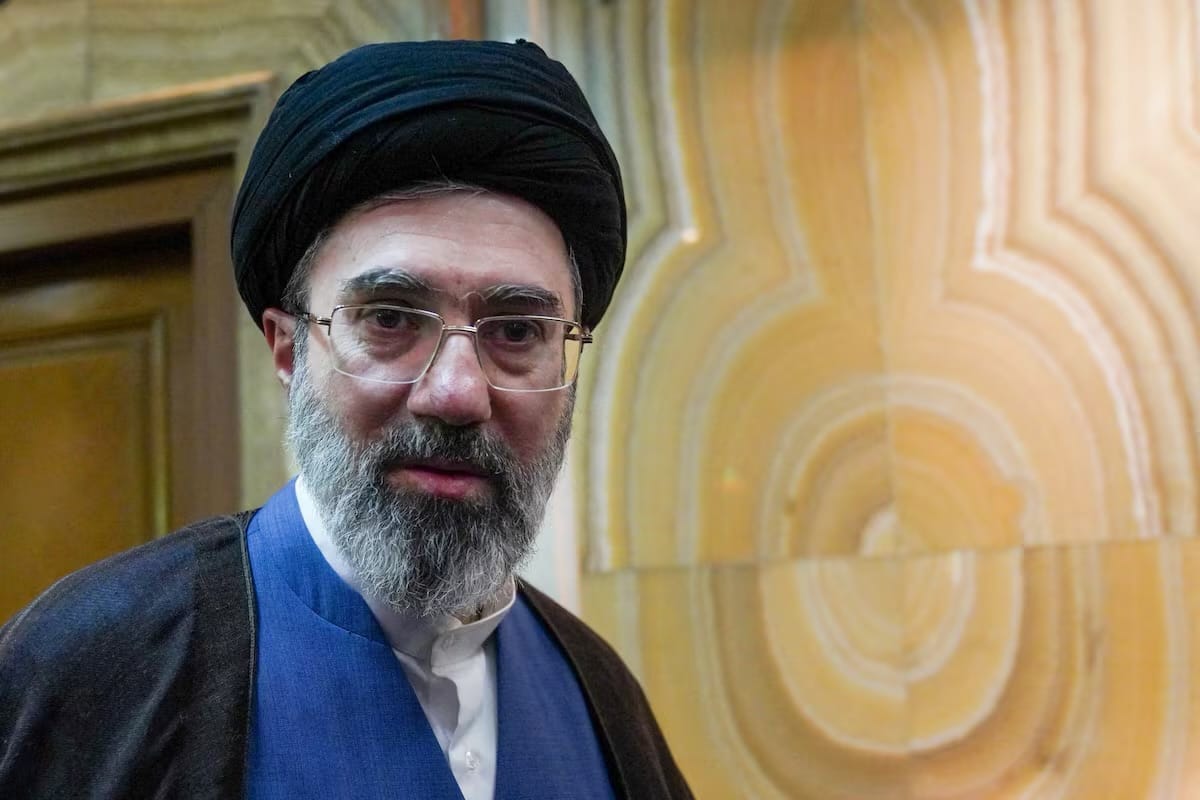
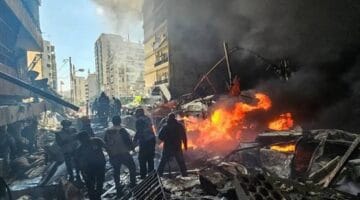
Khamenei’s face and one or both legs suffered major damage when American and Israeli forces targeted the supreme leader’s compound in central Tehran on the war’s opening day. The attack also killed his wife, brother-in-law, and sister-in-law. Despite physical trauma, sources describe him as mentally sharp and actively engaged in decision-making on war strategy and negotiations with Washington.
The revelation comes as high-stakes U.S.-Iran talks open in Islamabad, raising questions about leadership stability during Iran’s gravest crisis in decades. No photographs, video, or audio recordings of Khamenei have been published since the strike, leaving his condition largely mysterious to the Iranian public and international observers.
State television has referenced his wounds obliquely, with a newsreader describing him as “janbaz”—a term for those severely wounded in war—following his succession. Defense Secretary Pete Hegseth confirmed on March 13 that Khamenei was “wounded and likely disfigured,” matching the detailed accounts now emerging from Tehran.
Iran’s United Nations mission declined to respond to inquiries about the leader’s condition or his continued absence from public appearance. The opacity surrounding Khamenei’s health adds uncertainty to negotiations as Iranian officials project normal governance while their supreme leader remains unseen and physically compromised.