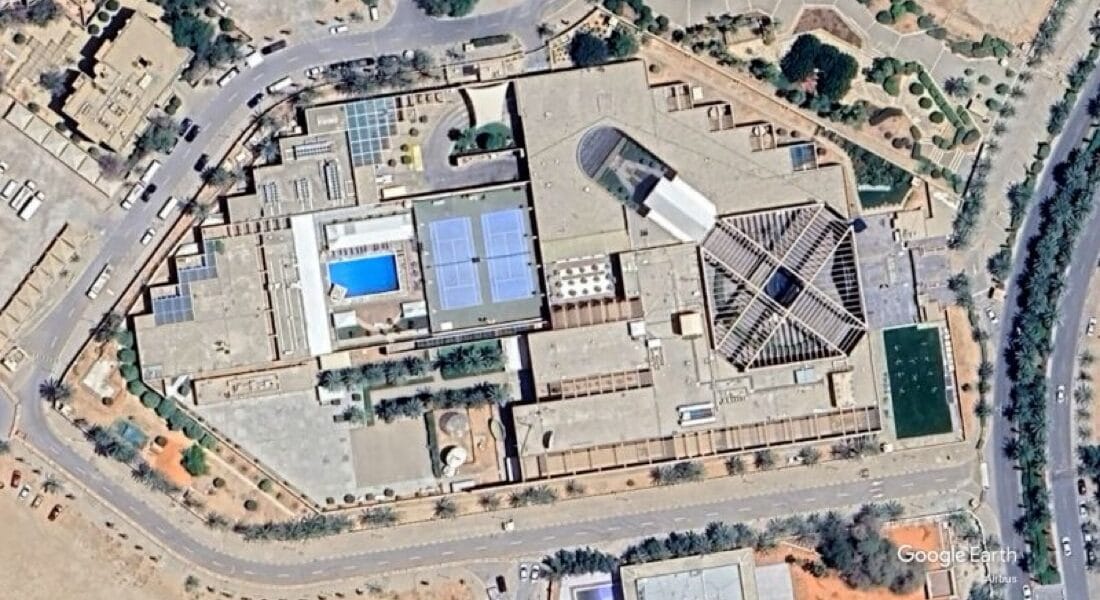

An Iranian drone attack on the U.S. Embassy in Riyadh, Saudi Arabia, on March 3 caused more extensive damage than initially disclosed, according to U.S. officials. Two drones penetrated air defenses guarding the Diplomatic Quarter, striking the American compound in quick succession and igniting a fire that burned for approximately half a day.
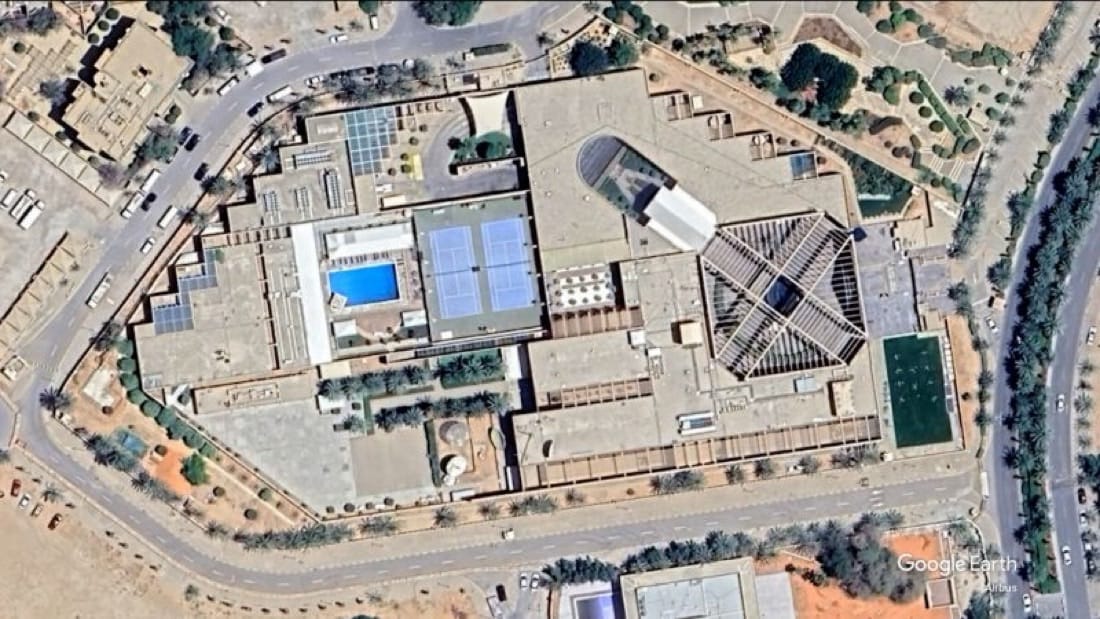
The nighttime strikes impacted a secure section of the embassy where several hundred personnel typically work during daytime hours. Three floors sustained heavy damage, with some areas rendered unrecoverable. Among the affected spaces was the Central Intelligence Agency station, according to individuals familiar with the matter. The attack occurred at 1:30 a.m., a timing that likely prevented mass casualties had it occurred during regular working hours.
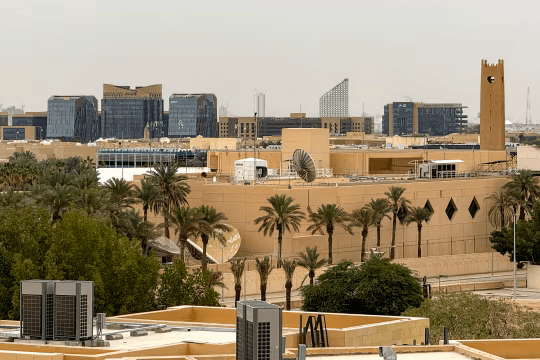
Saudi authorities initially characterized the incident as resulting in limited fire and minor damage. However, U.S. officials indicate the impact was more significant, with structural damage affecting critical embassy functions. Emergency response teams contained the blaze and secured the compound, though restoration efforts remain ongoing.
Additional drones were intercepted later that night, with debris falling near a preschool within the Diplomatic Quarter. One projectile appeared directed toward the residence of the senior U.S. diplomat in Saudi Arabia, located several hundred feet from the main embassy building. No casualties were reported from these subsequent intercepts.
The Riyadh incident reflects a broader pattern of Iranian operations targeting U.S. diplomatic and military assets across the region. In late March, Iranian strikes precisely hit U.S. aircraft at Prince Sultan Air Base in Saudi Arabia, including an E-3 AWACS radar plane and refueling tankers. Approximately a dozen service members were wounded in that attack, two seriously.
Since the onset of heightened tensions, Iranian forces and affiliated groups have conducted their most frequent and widespread attacks on American facilities in recent years. U.S. embassies or consulates in Baghdad, Dubai, Kuwait City, Riyadh, and Erbil have been struck or targeted by Iranian missiles and drones. While none of these attacks resulted in U.S. fatalities at diplomatic posts, base attacks have killed seven service members and wounded hundreds more, while causing billions of dollars in equipment damage.
The U.S. Embassy in Riyadh, like most American diplomatic missions, relies on host-nation forces for external air defense and emergency response. The Saudi military maintains air defense systems, including Patriot batteries, with coverage extending to the Diplomatic Quarter. The enclave houses most foreign embassies and serves as a residential area for expatriates, business executives, and Saudi officials.
U.S. authorities continue to assess threat environments across the region. The State Department has advised American citizens in Saudi Arabia to exercise heightened caution and avoid locations that could present elevated risk. Embassy security protocols remain under continuous review to address evolving threat capabilities.
The March 3 attack underscores the technical capacity of Iranian unmanned systems to reach high-value targets despite layered defensive arrangements. It also highlights the challenges of protecting fixed diplomatic facilities in complex urban environments. U.S. officials emphasize that force protection remains a priority while diplomatic operations continue under enhanced security measures.
Investigation teams are evaluating the incident to improve defensive postures and response procedures. Lessons learned from this event will inform security planning for U.S. facilities across regions where similar threat profiles exist.