
POLAND: We’ll Take French Nukes Too — Doubling Down on Deterrence
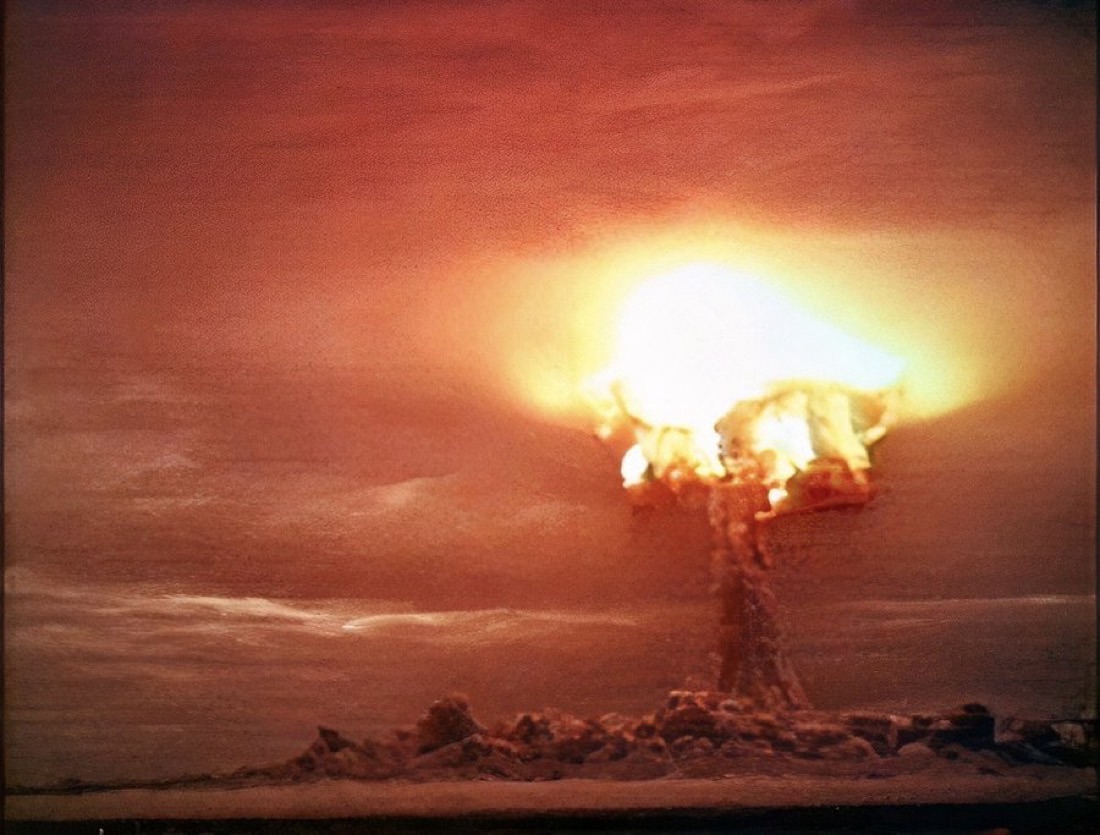
Poland’s bold push to host French nuclear weapons—on top of U.S. warheads already expected on its soil—is not about aligning with one ally over another. It’s about multiplying deterrence, sending a clear message: Russia should know that NATO’s eastern flank is armed, alert, and ready. With tensions along Europe’s eastern frontier intensifying, Warsaw’s proposal risks inflaming debates over nuclear sharing, but from Poland’s perspective, it’s simple: more nukes, more security.
Since the Russian invasion of Ukraine in 2022, Eastern Europe has lived under the specter of escalation. Poland, on NATO’s frontline, has stepped up defense spending and security posturing. In May 2025, Poland and France signed a strategic cooperation treaty to deepen military, energy, and defense ties—though the pact stopped short of mandating access to French nuclear weapons. Yet signals from Warsaw have become unmistakable: Polish President Karol Nawrocki has publicly stated Poland should participate in nuclear sharing and host foreign nuclear weapons, including from France.
Under NATO’s existing nuclear sharing policy, several alliance members host U.S. nuclear weapons under strict control by Washington. But Poland’s proposal would push that model further—inviting French assets onto Polish territory. France has hinted at expanding its “nuclear umbrella” over Europe but has denied commitments to deploy weapons abroad.
Motivations & Strategic Logic
Poland’s logic is clear: deterrence must be visible and credible. If Moscow sees a country bristling with nuclear capacity, it may think twice about launching escalation. Hosting French warheads would diversify deterrent sources, complicating Russian calculations. It also hedges against potential U.S. retrenchment or shifts in American policy. Warsaw may view French nuclear involvement as a European counterpart to U.S. guarantees—less dependent on Washington’s domestic politics.
Again, Poland is not necessarily abandoning its relationship with the United States. Rather, it is seeking to layer its deterrence architecture—not putting all its eggs in one basket.
Risks, Controversies & Pushback
This initiative opens several political, legal, and strategic fault lines:
1. Treaty & Norm Constraints
Poland is bound by the Treaty on the Non-Proliferation of Nuclear Weapons (NPT), which forbids acquiring nuclear weapons. Hosting doesn’t automatically violate the NPT if control remains with France, but the optics—and the legal interpretations—are fraught.
2. Alliance Tensions
Washington may balk if France’s deployment is viewed as diluting U.S. primacy in European deterrence. NATO unity could be strained by competing nuclear architectures on allied territory.
3. Russian Escalation Risks
Moscow is likely to condemn such a move as aggressive provocation. Russia’s doctrine already incorporates nuclear threats; more atomic assets near its borders would only escalate tensions.
4. French Political Will
France has indicated openness to extending its nuclear umbrella, but deploying physical warheads abroad would be a major policy shift. The domestic and international risks for Paris—political backlash, escalation liabilities—are high.
5. Security & Control
Hosting nuclear weapons requires robust command, security, and safeguards. Poland would have to invest heavily in infrastructure, secure facilities, and strict oversight—in partnership with France—to avoid accidents or misinterpretation.
Regional & Alliance Implications
Poland’s shift could ripple across Europe. Baltic states, long worried about Russian intentions, may push for similar security guarantees. European leaders might see the move as a test of whether Europe can begin to shoulder more nuclear responsibility, not just rely on the U.S. Meanwhile, debates over strategic autonomy within the EU would intensify.
For NATO, the presence of French and U.S. warheads in Poland could reconfigure deterrence geometry: multiple nuclear nodes in Eastern Europe rather than centralized Western assets. Russia would have to plan against a more dispersed threat.
If France agrees, Warsaw could become a hub of European nuclear deterrence. But failure or hesitation from Paris may leave Poland stranded between grand ambitions and practical limitations.
The Polish Calculus in Historical Context
Poland’s quest for nuclear hosting must be understood in the context of its historical vulnerability: caught between powerful neighbors, repeatedly invaded in the 20th century, Warsaw sees deterrence as existential. In recent years, Polish political and military leaders have signaled impatience with overreliance on external protection. The proposal is not just strategic but emotional—a defense posture born out of fear and resolve.
What Comes Next?
The road to French warheads in Poland is long and uncertain. Initial steps may include:
Joint planning and military exercises involving French strategic forces in or around Poland
Infrastructure development (secure bases, dual-capable aircraft, command facilities)
Legal and treaty-level negotiations between Warsaw, Paris, and NATO
Diplomatic framing to reassure allies and manage escalation risks
Most immediately, Warsaw needs to secure French commitment. Without Paris’ willingness, Poland’s declarations may amount to symbolic posturing. But if France and Poland proceed—diplomatically, logistically, and politically—the tripwire for a deeper European nuclear balance could be crossed.
Poland’s offer to host French nuclear weapons is a bold gambit in the evolving security stakes of Central and Eastern Europe. It demonstrates Warsaw’s resolve to bolster deterrence and diversify guarantees beyond Washington. But success depends on French willingness, alliance coherence, legal frameworks, and the ability to manage escalation. If executed carefully, the move could reshape NATO deterrence in Europe; if mishandled, it may instead provoke friction—or worse—in an already tense region.
Warsaw’s message is unambiguous: Europe’s frontline security cannot wait. Poland is demanding more than promises. It wants visible, multi-source deterrence. Now it must see whether partners are ready to deliver.