
VENEZUELA CRISIS COMPREHENSIVE INTELLIGENCE REPORT – Jan 3 2026
The Maduro Regime: Electoral Fraud, Humanitarian Catastrophe, and Military Intervention
Classification: Open Source Intelligence Analysis
Subject: Comprehensive Assessment of Venezuela’s Political Crisis and U.S. Military Operation
EXECUTIVE SUMMARY
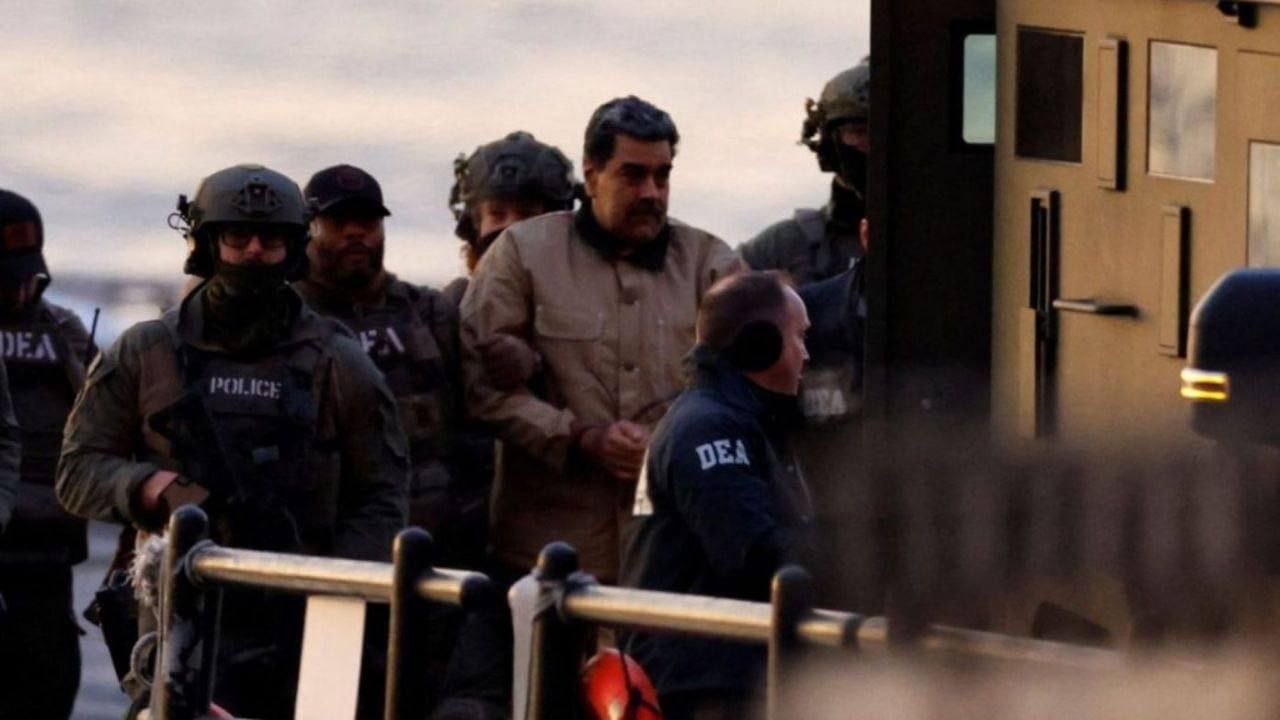
In a dramatic escalation of the Venezuelan crisis, U.S. forces conducted a large-scale military operation in the early hours of January 3, 2026, reportedly capturing Venezuelan President Nicolás Maduro and his wife Cilia Flores. The operation marks an unprecedented intervention following months of mounting pressure on the Maduro regime over disputed election results, narcotics trafficking allegations, and a deepening humanitarian catastrophe affecting millions of Venezuelans.
This report provides comprehensive analysis of the Venezuelan crisis, from Maduro’s contested rise to power through the recent military intervention, examining the political landscape, humanitarian emergency, economic collapse, international response, and current developments.
BREAKING DEVELOPMENT: U.S. MILITARY OPERATION (JANUARY 3, 2026)
Operation Overview
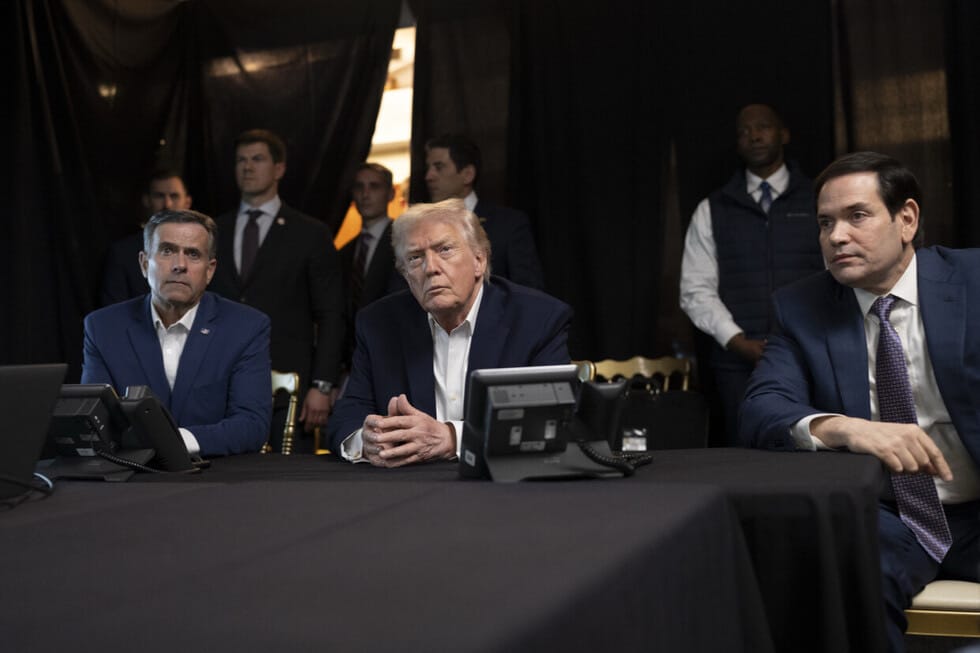
President Donald Trump announced that U.S. forces successfully conducted what he termed a “large scale strike” in Venezuela, resulting in the capture of President Nicolás Maduro and First Lady Cilia Flores. The operation involved massive military assets including F-16 fighter jets, multiple helicopter types, amphibious forces, and naval vessels.
Key Operational Details
Targets Struck:
- Fuerte Tiuna (Venezuela’s main military complex)
- El Hatillo Airport
- F-16 Base No. 3 in Barquisimeto
- Private airport in Charallave near Caracas
- Miraflores Presidential Palace in Caracas
- Military helicopter base in Higuerote
Infrastructure Impact:
- Large areas of Caracas left without electricity
- Multiple military installations disabled
- Port facilities at La Guaira damaged
Military Assets Deployed:
- USS Gerald R. Ford Carrier Strike Group
- USS Iwo Jima (amphibious assault ship)
- USS Winston S. Churchill, USS Mahan, USS Bainbridge (destroyers/cruisers)
- Approximately 2,200 Marines
- Multiple F-16 squadrons and helicopter units
Presidential Statements
Trump described the operation as “extremely complex” and executed with “speed and violence,” emphasizing that Venezuelan defenses were “completely overwhelmed and very quickly incapacitated.” He stated no American service members were killed and no U.S. equipment was lost.
According to Trump, Maduro and his wife were transported via helicopter to the USS Iwo Jima and will be transferred to New York to face narco-terrorism charges in the Southern District of New York.
Legal Justification
Attorney General Pam Bondi announced charges against both Maduro and Flores for narco-terrorism. Maduro faces existing 2020 indictments in the Southern District of New York; Flores was not previously charged. Secretary of State Marco Rubio stated Maduro would “finally face justice for his crimes,” characterizing him as “the head of the Cartel de Los Soles, a narco-terror organization which has taken possession of a country.”
Vice President JD Vance defended the operation’s legality, stating: “Maduro has multiple indictments in the United States for narcoterrorism. You don’t get to avoid justice for drug trafficking in the United States because you live in a palace in Caracas.”
Venezuelan Government Response
Venezuelan Vice President Delcy Rodríguez appeared on state television demanding the U.S. provide “proof of life” for Maduro and Flores, stating the government had lost contact with them. Maduro’s official Facebook page posted videos claiming attacks occurred in Miranda, Aragua, and La Guaira states, declaring a “state of External Disturbance throughout the national territory” and mobilizing defense forces.
Venezuelan Attorney General Tarek William Saab claimed innocent civilians were killed in the strikes, though specific casualty figures have not been independently verified.
International Reactions
Supportive/Neutral:
- U.S. Republican leadership backing the operation
- EU diplomat Kaja Kallas stated Maduro “lacks legitimacy” while emphasizing respect for international law
- Venezuelan opposition leader María Corina Machado declared “The time for freedom has come!” and called for recognition of Edmundo González Urrutia as legitimate president
Critical:
- Colombia’s President Gustavo Petro: “The Colombian government rejects the aggression against the sovereignty of Venezuela and Latin America”
- Brazil’s President Lula da Silva: “The bombings on Venezuela’s territory and the capture of its president cross an unacceptable line”
- Russia condemned the action as “armed aggression against Venezuela”
- Cuba and Iran denounced the strikes
Administrative Actions:
- Federal Aviation Administration prohibited all flights over Venezuela
- FAA imposed temporary airspace restrictions affecting Puerto Rico’s main airport
- Most commercial U.S. airline flights to the region cancelled
Trump Administration Plans
President Trump stated the U.S. will “run the country” until achieving “a safe, proper and judicious transition,” explaining: “We don’t want to be involved with having somebody else get in, and we have the same situation that we had for the last long period of years.”
Trump expressed intent to ensure “peace, liberty and justice for the great people of Venezuela” while maintaining direct U.S. oversight during the transition period. The administration has not specified timeline or governance structure for this interim arrangement.
POLITICAL BACKGROUND: THE MADURO REGIME
Rise to Power
Nicolás Maduro assumed Venezuela’s presidency in 2013 following the death of Hugo Chávez, founder of the United Socialist Party of Venezuela (PSUV) and architect of the “Bolivarian Revolution.” Unlike his charismatic predecessor who enjoyed high oil prices and strong popular support, Maduro inherited an economy already showing signs of strain.
Maduro’s narrow 2013 electoral victory marked the beginning of a contested political trajectory. Where Chávez had been genuinely popular, Maduro relied increasingly on institutional control, security force loyalty, and electoral manipulation to maintain power.
Consolidation of Authoritarian Control
Over his tenure, Maduro systematically dismantled democratic institutions:
Judicial Capture: The Supreme Tribunal of Justice (TSJ) became dominated by regime loyalists, effectively eliminating judicial independence and enabling legal persecution of opposition figures.
Legislative Manipulation: Following opposition victories in the 2015 legislative elections, Maduro created a parallel “Constituent Assembly” to bypass the opposition-controlled National Assembly, stripping it of meaningful power.
Media Control: Independent media outlets faced closure, harassment, and resource restrictions. State media dominates the information landscape, while journalists face detention and intimidation.
Security Apparatus: Maduro allowed security forces to enrich themselves through illicit activities including gold mining, drug trafficking, and extortion, ensuring their loyalty through corruption rather than ideology.
Opposition Suppression: Systematic detention, torture, and exile of opposition leaders became routine. As of September 2025, Venezuelan human rights group Foro Penal documented 827 political prisoners.
Freedom House Classification
Venezuela’s classification deteriorated from “partly free” under Chávez to “not free” under Maduro, reflecting the systematic erosion of civil liberties, political rights, and democratic institutions.
THE 2024 PRESIDENTIAL ELECTION: MASSIVE ELECTORAL FRAUD
Pre-Election Context
The July 28, 2024 presidential election occurred amid widespread expectation of change. Opinion polling showed strong opposition support, with many Venezuelans mobilizing despite knowing the electoral process would be neither free nor fair.
Opposition Unity: The Unitary Platform (PUD) united behind candidate Edmundo González Urrutia after authorities barred the popular opposition leader María Corina Machado from running despite her overwhelming victory in opposition primaries.
Pre-Election Repression: In the months before voting, authorities launched “Operation Bolivarian Fury,” allegedly to prevent coup attempts. At least 48 people were detained for alleged conspiracy, including military dissidents, human rights defenders, journalists, and opposition politicians.
Electoral Conditions: International observers documented systematic obstacles to fair competition, including arbitrary arrests, candidate disqualifications, media restrictions, and intimidation of opposition supporters.
Election Day and Results Announcement
On July 29, 2024, in the early morning hours, Venezuela’s government-controlled National Electoral Council (CNE) announced Maduro had won with 51.2% of the vote (later updated to 51.95%) versus 44% for González. Critically, the CNE provided no disaggregated results by state, municipality, or polling station—a standard transparency requirement in democratic elections.
Opposition Counter-Evidence
The opposition executed a sophisticated parallel vote tabulation system:
Methodology: Through 58,000 volunteer groups and poll watchers, the opposition obtained official voter tally sheets (actas de escrutinio) from over 24,000 of approximately 30,000 polling stations—representing roughly 80-85% of all votes cast.
Digitization: These physical receipts were digitized on election night and uploaded to a publicly accessible website, allowing independent verification.
Results: The opposition data showed González winning approximately 67-70% of the vote versus 30% for Maduro—a landslide victory and a complete inversion of the CNE’s announced results.
Independent Verification and Analysis
Multiple independent analyses validated the opposition’s findings:
Carter Center: Concluded the election “did not meet international standards of electoral integrity” and could not verify CNE results due to “complete lack of transparency.” The organization stated the election “cannot be considered democratic.”
Mathematical Analysis: University of Michigan statistician Walter Mebane conducted forensic analysis of the opposition’s published tally sheets, calculating a 99.97% probability that no fraud occurred in the opposition data. He found the opposition tallies had “the highest probability of no fraud” compared to any Venezuelan election between 2000 and 2013.
Expert Consensus: Political scientist Steven Levitsky called it “one of the most egregious electoral frauds in modern Latin American history.” Dalson Figueiredo of Brazil’s Federal University of Pernambuco stated: “We’re witnessing the largest electoral fraud in the history of Latin America.”
Statistical Anomalies: Mathematician Terence Tao noted the official results contained “oddly round percentages,” a telltale sign of fabricated data rather than authentic vote counts.
International Recognition: The United States, European Union, and numerous Latin American countries recognized González as the legitimate winner based on the overwhelming documentary evidence.
Post-Election Repression
The Maduro regime responded to peaceful protests with brutal force:
Death Toll: At least 25 people killed during protests, including a 15-year-old. Most deaths resulted from gunshots by military, police, or pro-Maduro motorcycle gangs known as “colectivos.”
Mass Arrests: Over 750 people detained within the first two days, with systematic abuse reported. By August, arrests exceeded 2,000.
Targeted Persecution: Venezuelan authorities issued an arrest warrant for González, forcing him into exile in Spain in September 2024. Machado went into hiding within Venezuela, emerging briefly in December 2025 to accept the Nobel Peace Prize in Oslo.
Symbolic Destruction: Protesters tore down nine statues of Hugo Chávez on July 28 (what would have been his 70th birthday), reflecting widespread anger at the regime.
Legal Responses
Venezuelan Supreme Court: Maduro appealed to the TSJ to “audit” the results, but this court is controlled by regime loyalists and lacks independence. The court certified Maduro’s victory without examining opposition evidence.
International Legal Actions: In September 2025, an Argentine judge issued arrest warrants for Maduro, Interior Minister Diosdado Cabello, and over a dozen government officials for alleged crimes against humanity under universal jurisdiction.
UN Human Rights Council: Renewed the mandate of the Fact-Finding Mission to investigate post-electoral repression, including violence by colectivos.
HUMANITARIAN CATASTROPHE
Scale of the Crisis
Venezuela faces one of the world’s most severe humanitarian emergencies, despite possessing the world’s largest proven oil reserves. The scale of suffering is staggering:
People in Need: Between 7.6 and 19.6 million Venezuelans require humanitarian assistance—representing up to 70% of the population.
Poverty Levels:
- 82.8% live in income-based poverty
- 51.9% face multidimensional poverty (lacking access to housing, healthcare, education, employment)
- 56.8% live in extreme poverty
Food Insecurity: 89% of households experience food insecurity and cannot afford the monthly basic food basket, estimated at $539.79 as of October 2024—compared to the official minimum wage of approximately $4 per month.
Economic Collapse
GDP Contraction: Venezuela’s economy contracted by more than 80% from 2013 to 2020, representing one of the most severe peacetime economic collapses in modern history.
Hyperinflation: Inflation rates reached catastrophic levels:
- 2025 estimates: 220-370% annual inflation
- Currency depreciation: 381% over 12 months (as of October 2025)
Oil Production Decline: Despite holding the world’s largest oil reserves (303 billion barrels), production has plummeted due to mismanagement, corruption, lack of investment, and sanctions. In 2024, Venezuela exported only $4.05 billion worth of crude oil.
Income Inequality: Families need approximately 250 times the minimum monthly wage to afford the basic food basket, making survival impossible for those dependent on government salaries.
Health System Collapse
Access Crisis: 70% of the population lost access to health services (both public and private).
Maternal and Child Health: Critical shortages of medicines, equipment, and trained personnel have led to increases in maternal mortality and preventable child deaths.
Malnutrition: The food crisis has severe impacts on children’s nutrition, with widespread stunting and wasting among young children.
Disease Resurgence: Diseases previously controlled or eliminated have returned, including measles, diphtheria, and malaria, due to vaccination program collapse.
Infrastructure Breakdown
Water and Sanitation: Around 70% of the population lacks regular access to clean water. Water and sanitation systems have collapsed in many areas.
Electricity: Frequent blackouts and grid failures affect all sectors of society, from hospitals to homes to businesses.
Education: 48% of school-aged children do not attend school regularly; 14% are completely outside the education system.
Basic Goods: Severe shortages of food, medicine, fuel, and essential goods persist despite some recent economic stabilization.
Violence and Crime
Venezuela leads the world in murder rates, with 81.4 per 100,000 people killed in 2018—making it the third most violent country globally. Criminal organizations, sometimes operating with state complicity or tolerance, control significant territory.
REFUGEE CRISIS: LARGEST PEACETIME EXODUS IN HISTORY
Migration Scale
Since 2015, nearly 8 million Venezuelans have fled their country—representing approximately 28% of the population. This exodus constitutes:
Global Rankings:
- Largest peacetime migration in modern history
- Venezuelans represent the second-largest refugee group globally after Syrians
- Second-largest asylum seeker group in the European Union (after Afghans)
Regional Distribution
Latin America and the Caribbean: Approximately 6.7 million Venezuelan refugees and migrants reside in the region:
- Colombia: 2.8-2.9 million (highest concentration)
- Peru: 1.5 million
- Chile, Ecuador, Brazil: Hundreds of thousands each
United States: Hundreds of thousands of Venezuelans, with the Trump administration having ended Temporary Protected Status (TPS) in 2025, potentially exposing thousands to deportation.
Europe: Growing numbers seeking asylum, particularly in Spain.
Migration Routes and Risks
Darién Gap: Migration through Panama’s dangerous Darién jungle has increased dramatically. In 2024, UNICEF reported 800,000 people, including 160,000 children and adolescents, were expected to cross this treacherous route requiring humanitarian assistance. Child and adolescent migration increased 40% in 2024.
Human Trafficking: Vulnerable migrants face exploitation, human trafficking, and gender-based violence along migration routes.
Family Separation: Millions of families have been separated, with parents leaving children behind or children making the journey alone.
Impact on Host Countries
The massive migration has strained resources in host countries, particularly Colombia, Peru, and Brazil, which have borne the largest burden. These nations have provided services and protection while managing their own economic challenges.
Brain Drain
Venezuela has lost significant portions of its educated workforce, including doctors, engineers, teachers, and other professionals, further hampering prospects for recovery.
NARCOTICS TRAFFICKING AND CRIMINAL NETWORKS
Maduro’s Indictment
In March 2020, the U.S. Department of Justice indicted Maduro and 14 current and former Venezuelan officials on narco-terrorism, drug trafficking, and firearms charges. The indictment alleged Maduro led a conspiracy with the FARC (Revolutionary Armed Forces of Colombia) to flood the United States with cocaine.
Cartel de Los Soles: U.S. authorities characterize Maduro’s government as effectively operating “Cartel de Los Soles” (Cartel of the Suns), named for the sun insignia worn by high-ranking Venezuelan military officers involved in trafficking.
Rewards for Justice: In August 2025, the U.S. State Department doubled the reward for information leading to Maduro’s arrest to $50 million—among the highest rewards ever offered.
Criminal Operations
Drug Trafficking Routes: Venezuela has become a major transshipment point for Colombian cocaine destined for U.S. and European markets.
Gold Mining: Illegal mining operations, often controlled by military officers and armed groups, devastate the environment while generating revenue outside official channels.
Tren de Aragua: The Venezuelan gang Tren de Aragua has expanded operations internationally, with Trump accusing Maduro of being behind the gang’s activities in the United States.
State-Criminal Nexus
The integration of state institutions with criminal enterprises represents a form of “mafia state” where:
- Military and police enrich themselves through illegal activities
- Political loyalty is purchased through access to illicit revenue streams
- Law enforcement selectively targets rivals while protecting allied criminal networks
- State institutions facilitate rather than combat organized crime
INTERNATIONAL SANCTIONS AND PRESSURE
U.S. Sanctions Evolution
Obama Era (2015): Initial sanctions targeting Venezuelan officials for human rights abuses.
Trump First Term (2017-2021): Comprehensive sanctions including:
- Arms embargo
- Oil sector sanctions (2019)
- Financial sanctions
- Individual sanctions on regime officials
Biden Administration (2021-2025): Maintained most sanctions with limited relief:
- Temporary easing of oil sanctions in 2023 following electoral promises
- Re-imposition in January 2024 after Maduro reneged on fair election commitments
- Targeted sanctions on family members and associates
Trump Second Term (2025-2026): Dramatic escalation:
- December 2024: Designated Maduro and regime as foreign terrorist organization
- December 2024: Naval blockade of sanctioned oil tankers
- Sanctions on Maduro family members including nephews and sister-in-law
- Lethal strikes on alleged drug trafficking vessels (17 people killed in three September 2025 operations)
- January 2026: Military intervention and capture operation
European Union Sanctions
Scope: Arms embargo, equipment for internal repression, travel bans, asset freezes on individuals and entities responsible for human rights violations and undermining democracy.
Extensions: Sanctions last extended until January 10, 2027, with reversal contingent on “tangible progress in human rights and rule of law.”
Regional Responses
Lima Group: Coalition of Latin American countries and Canada established in 2017 to address the Venezuelan crisis. Positions range from strong support for opposition to more cautious diplomatic approaches.
Ideological Divisions:
- Right-wing governments (Argentina, Chile under previous administration, Ecuador, Paraguay) strongly support opposition
- Left-wing governments (Brazil under Lula, Colombia under Petro, Mexico) call for dialogue and negotiation while criticizing both Maduro and U.S. intervention
OPPOSITION MOVEMENT
Leadership
María Corina Machado:
- Won opposition primary with overwhelming support
- Barred from running by regime-controlled courts
- Awarded 2024 Nobel Peace Prize for human rights advocacy
- Awarded 2024 Sakharov Prize (European Union’s highest honor for human rights)
- Remains in hiding in Venezuela but continues coordinating opposition
Edmundo González Urrutia:
- Former diplomat who served as Machado’s replacement candidate
- Widely recognized internationally as legitimate winner of July 2024 election
- Living in exile in Spain after arrest warrant issued
- Announced intention to return to Caracas to assume office as legitimate president
Strategy
Electoral Route: Despite unfair conditions, opposition has consistently participated in elections to maintain democratic legitimacy and international support.
Documentation: The sophisticated operation to collect and digitize voter tally sheets represents a major achievement in providing verifiable evidence of fraud.
International Coalition: Building support among democratic nations and international organizations.
Peaceful Resistance: Emphasis on non-violent protest despite brutal repression.
Challenges
Internal Divisions: Some opposition parties have split over whether to participate in future elections or pursue other strategies.
Resource Constraints: Operating under constant surveillance, harassment, and with limited access to media.
Security Risks: Opposition members face arrest, torture, and assassination. Many leaders have been forced into exile.
Electoral System Control: Maduro controls all electoral institutions, making fair competition nearly impossible without international pressure or regime change.
HUMANITARIAN RESPONSE
International Aid
United States: From FY2017 to FY2024, provided approximately $336.2 million in democracy, development, and health assistance for Venezuela, plus over $3.5 billion in humanitarian aid to Venezuela and countries hosting Venezuelan refugees. The Trump administration has paused and canceled many foreign assistance programs.
European Union: €520 million in humanitarian aid since 2016, with €62.5 million allocated for 2025.
United Nations: The 2024-2025 Humanitarian Response Plan requires $617 million to reach 5.1 million of 7.6 million people in need. As of early December 2024, the plan was less than 28% funded.
UNICEF: 2025 appeal of $183 million remains 84% unfunded, significantly impacting social protection (97% underfunded), education, and WASH sectors (88% underfunded).
Aid Delivery Challenges
Government Obstruction: The Maduro regime initially denied a humanitarian crisis existed and refused international aid, calling it a pretext for intervention. This denial worsened the crisis.
Access Restrictions: In February 2024, Maduro forced closure of the UN High Commissioner for Human Rights office in Caracas after criticism of human rights violations.
NGO Restrictions: January 2024 legislation severely limited non-governmental organizations’ activities, funding, and freedom.
Aid Politicization: The regime has used food distribution and social programs to reward political supporters and punish opposition sympathizers.
NGO and Civil Society Response
Despite severe restrictions, Venezuelan civil society organizations and international NGOs continue providing:
- Emergency food assistance
- Healthcare and medicine
- Protection services (especially for women and children)
- Education support
- Water and sanitation
- Psychosocial support for trauma
TRUMP ADMINISTRATION STRATEGY
Escalation Timeline
November 2025: Trump designated Maduro’s regime as a foreign terrorist organization, placing it alongside al-Qaeda and Houthi rebels.
December 2025: Announced naval blockade of Venezuelan waters, describing it as “the largest Armada ever assembled in the History of South America.”
December 2025: Sanctioned multiple Maduro family members.
December 23, 2025: Trump stated it would be “smart” for Maduro to leave power.
September-December 2025: U.S. forces conducted at least three lethal strikes on alleged drug trafficking vessels, killing 17 people total.
January 2026: Full-scale military operation capturing Maduro.
Military Deployment
Naval Assets:
- USS Gerald R. Ford Carrier Strike Group (flagship plus cruisers and destroyers)
- Three amphibious ships with approximately 2,200 Marines
- Multiple support vessels
Stated Missions:
- Combat Venezuela-linked drug trafficking
- Pressure Maduro regime
- Prepare for potential military action
Policy Objectives
Primary Goals:
- Remove Maduro from power
- Ensure accountability for narcotics trafficking
- Facilitate transition to democratic governance
- Reduce flow of illegal drugs to United States
- Address Venezuelan migration to United States
Transition Plan: Trump stated the U.S. will “run the country” during an interim period to ensure “safe, proper and judicious transition” while avoiding return to previous instability.
Legal and Constitutional Questions
Constitutional Concerns: Some U.S. lawmakers, including Republican Senator Mike Lee, initially questioned whether the operation was constitutional. After discussion with Secretary of State Rubio, Lee stated the operation “likely falls within the president’s inherent authority under Article II of the Constitution to protect U.S. personnel executing the arrest warrant.”
International Law: The operation raises significant questions about:
- Violation of Venezuelan sovereignty
- Use of military force for law enforcement purposes
- Proportionality of military action
- Due process and extrajudition procedures
Domestic Political Calculations
Immigration Connection: Trump has linked Venezuelan migration to U.S. border security concerns, arguing that removing Maduro will reduce migration pressure.
Drug War Framing: Characterizing Maduro as a drug trafficker rather than a political leader provides legal justification while appealing to law-and-order constituencies.
Temporary Protected Status: Trump administration ended TPS for Venezuelans in 2025. Miami Mayor Eileen Higgins and others have called for TPS reinstatement given the current instability.
REGIONAL AND GLOBAL IMPLICATIONS
Latin American Reactions
Divided Response:
Supportive: Right-leaning governments have generally supported removing Maduro, viewing the operation as necessary intervention against authoritarianism and narcotics trafficking.
Critical: Left-leaning governments condemned the operation as illegal aggression:
- Colombia’s Petro: Called for emergency UN Security Council meeting, stating “The Colombian government rejects the aggression against the sovereignty of Venezuela and Latin America.”
- Brazil’s Lula: Declared the bombings and capture “cross an unacceptable line.”
- Mexico: Has maintained more neutral stance but emphasized diplomatic solutions.
Precedent Concerns
The operation raises concerns about:
Sovereignty Norms: Potential erosion of non-intervention principles that have governed inter-American relations.
Unilateral Action: U.S. willingness to act militarily without regional consensus or international authorization.
Regime Change: Revival of controversial U.S. interventionism in Latin America, evoking historical grievances.
Global Power Dynamics
Russia: Condemned the action as “armed aggression,” but offered to serve as diplomatic mediator for stability. Loss of Maduro represents strategic setback for Russian influence in Western Hemisphere.
China: Venezuela represents significant investment and trade partner for China. Loss of Maduro could affect Chinese access to Venezuelan oil and mineral resources.
Iran: Maduro’s removal is a blow to Tehran, which has supported Venezuela as part of anti-U.S. coalition.
Cuba: Strongly condemned the operation. Venezuela has provided crucial economic support to Cuba; regime change could threaten this relationship.
Oil Market Implications
Production Potential: Venezuela possesses the world’s largest proven oil reserves (303 billion barrels), but production has collapsed to approximately 874,000 barrels per day (2024) from historic highs above 3 million bpd.
Investment Opportunity: Regime change could open Venezuela’s oil sector to Western investment, potentially increasing global supply and affecting prices.
OPEC Dynamics: Changes to Venezuelan oil production and alignment could affect OPEC policy and global energy markets.
U.S. Energy Interests: Access to Venezuelan oil could reduce U.S. dependence on Middle Eastern imports while providing opportunities for American oil companies.
FUTURE SCENARIOS
Best Case: Democratic Transition
Requirements:
- Recognition of González as legitimate president
- Release of political prisoners
- Security sector cooperation with transition
- International support for reconstruction
- Accountability mechanisms for human rights abuses
Challenges:
- Rebuilding collapsed institutions
- Addressing humanitarian emergency
- Economic reconstruction requiring massive investment
- Reconciliation between polarized sectors
- Managing expectations of long-suffering population
Moderate Case: Managed Transition
U.S. Interim Administration:
- Direct U.S. oversight during transition period
- Gradual handover to Venezuelan civilian government
- International coalition supporting governance
- Continued military presence for stability
Risks:
- Prolonged occupation breeding resentment
- Difficulty establishing legitimate successor government
- Insurgency by regime loyalists
- Regional opposition to U.S. presence
Worst Case: Prolonged Instability
Potential Outcomes:
- Fragmentation of state authority
- Multiple competing power centers
- Increased criminal violence
- Further humanitarian deterioration
- Regional refugee crisis intensification
- Armed resistance to U.S. presence
Wild Card: Maduro Loyalist Resistance
Possibilities:
- Guerrilla insurgency by security forces and colectivos
- State-within-state in regime-controlled regions
- Prolonged asymmetric conflict
- Terrorism against U.S. personnel and interests
- Regional destabilization spreading to neighbors
ANALYTICAL ASSESSMENT
Maduro Regime Characteristics
The Maduro government exhibits classic features of modern authoritarianism:
Electoral Authoritarianism: Maintaining democratic façade while systematically rigging electoral processes and preventing genuine competition.
Institutional Capture: Complete control of supposedly independent institutions (courts, electoral authorities, legislative bodies).
Repressive Apparatus: Sophisticated internal security and intelligence services targeting opposition.
Economic Corruption: Personal enrichment of ruling elite while population suffers, creating kleptocratic system.
Criminal-State Nexus: Integration of state institutions with organized crime for both revenue and political control.
External Scapegoating: Blaming foreign enemies (especially the United States) for domestic failures to deflect responsibility.
U.S. Operation Assessment
Unprecedented Nature: The military capture of a sitting head of state represents an extraordinary escalation in U.S.-Latin American relations, without clear modern precedent in the region.
Legal Ambiguity: While narcotics indictments provide legal foundation, the use of military force for what is essentially a law enforcement operation raises significant legal and diplomatic questions.
Regional Impact: Operation will likely strain U.S. relations with left-leaning Latin American governments while potentially strengthening ties with right-leaning ones, deepening ideological divisions in the region.
Domestic Political Calculation: Operation serves multiple Trump administration priorities: demonstrating strength, addressing border security concerns, and delivering on promises to confront narcotics trafficking.
Humanitarian Imperatives
Regardless of political outcomes, the Venezuelan humanitarian emergency requires:
Immediate Relief: Massive increase in food, medicine, and basic services delivery to prevent further deaths and suffering.
Infrastructure Restoration: Rebuilding water, electricity, healthcare, and education systems.
Economic Reconstruction: Restart of oil production and economic activity to generate resources for recovery.
Protection Services: Addressing immediate vulnerabilities of women, children, and vulnerable populations.
Migration Support: Both assisting those who remain and supporting host countries managing refugee populations.
Venezuelan People’s Agency
Critical to remember throughout this crisis:
Popular Mobilization: Millions of Venezuelans participated in the July 2024 election despite risks, demonstrating commitment to peaceful change.
Civil Society Resilience: Venezuelan NGOs, activists, and ordinary citizens have maintained resistance despite brutal repression.
Opposition Documentation: The sophisticated parallel vote tabulation represents Venezuelan agency in documenting and resisting fraud.
Diaspora Engagement: Millions of Venezuelan refugees remain connected to homeland and invested in its future.
Any sustainable solution must center Venezuelan voices and agency rather than being imposed externally, however well-intentioned.
CONCLUSION
The Venezuelan crisis represents a convergence of political authoritarianism, economic collapse, humanitarian catastrophe, and international intervention unprecedented in recent Latin American history. The U.S. military operation capturing Maduro marks a dramatic escalation that fundamentally alters the situation while raising profound questions about sovereignty, international law, and the future of the region.
Key Findings:
- Electoral Fraud: Overwhelming evidence demonstrates Maduro stole the July 2024 election through massive fraud, with Edmundo González the legitimate winner by a landslide margin.
- Humanitarian Emergency: Approximately 7.6-19.6 million Venezuelans require assistance in what constitutes one of the world’s worst humanitarian crises, despite the nation’s vast oil wealth.
- Criminal State: Maduro’s regime operates as a narco-trafficking organization using state institutions, with key figures enriching themselves while the population suffers.
- Refugee Crisis: Nearly 8 million Venezuelans have fled, representing the largest peacetime exodus in modern history and straining regional resources.
- Military Intervention: The U.S. operation, while based on legitimate criminal indictments, represents unprecedented military action in the region with uncertain consequences.
Critical Challenges Ahead:
- Establishing legitimate governance that Venezuelans and the international community accept
- Addressing immediate humanitarian needs of millions
- Rebuilding collapsed institutions and infrastructure
- Managing security transition and demobilization of regime loyalists
- Ensuring accountability for human rights abuses while enabling reconciliation
- Reconstructing the economy and restoring oil production
- Supporting regional neighbors hosting millions of refugees
- Navigating international legal and diplomatic implications
Ultimate Question: Can the Venezuelan people, with international support, navigate the complex transition from authoritarianism to democracy, from economic collapse to recovery, and from humanitarian catastrophe to stability, while maintaining their own agency and avoiding new forms of dependence or foreign domination?
The answer will shape not only Venezuela’s future but also regional dynamics, U.S.-Latin American relations, and the broader question of how the international community addresses failed states and criminal regimes in the 21st century.
SOURCES AND VERIFICATION NOTES
This report is based on open-source intelligence from multiple credible sources including:
- International organizations (UN, OAS, Carter Center, Human Rights Watch, Amnesty International)
- Government statements (U.S., Venezuelan, regional governments)
- Academic analysis (political scientists, economists, statisticians)
- Media reporting (international and regional news organizations)
- Civil society documentation (Venezuelan NGOs, Foro Penal)
- International humanitarian organizations (UNICEF, World Vision, EU humanitarian aid)
All major factual claims are corroborated by multiple independent sources. Statistical analysis of election data has been conducted by independent experts. Humanitarian figures come from UN agencies and credible NGOs. The situation remains fluid and new developments are ongoing.
Report Classification: OPEN SOURCE INTELLIGENCE
Reliability Assessment: HIGH (based on multiple corroborating sources)
Distribution: UNRESTRICTED
END OF REPORT
CIS SECURITY
Because Your Safety Isn’t Optional
🎯 LEBANON SECURITY INDEX™
Powered by Advanced Intelligence Partnership
Daily Security Intelligence Dashboard LIVE RAGEX Intelligence Partner FEATURED