
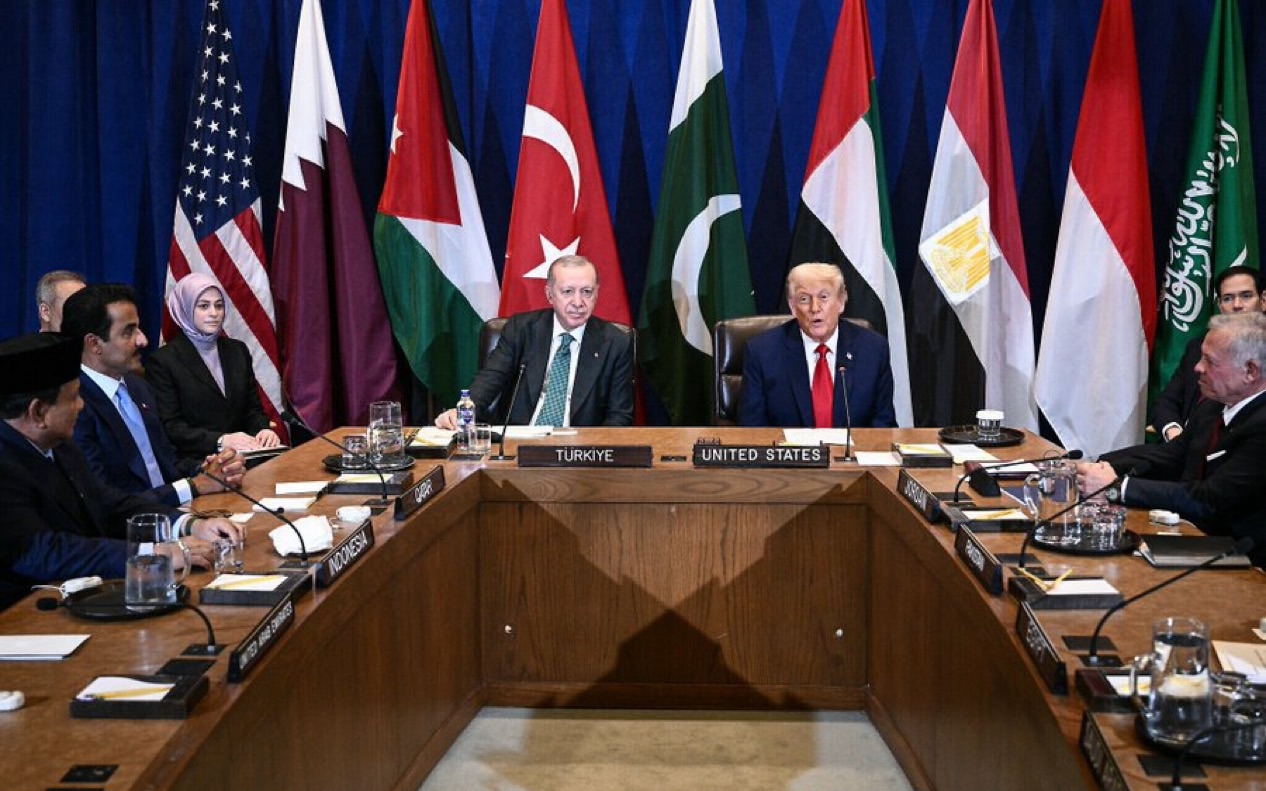

The White House has unveiled a comprehensive and ambitious peace plan for Gaza, calling for an immediate ceasefire, the release of all hostages within 48 hours, and the complete disarmament of Hamas. The multi-stage proposal, announced Sunday, outlines a detailed roadmap aimed at ending the current conflict and establishing a new framework for the governance and security of the besieged strip.
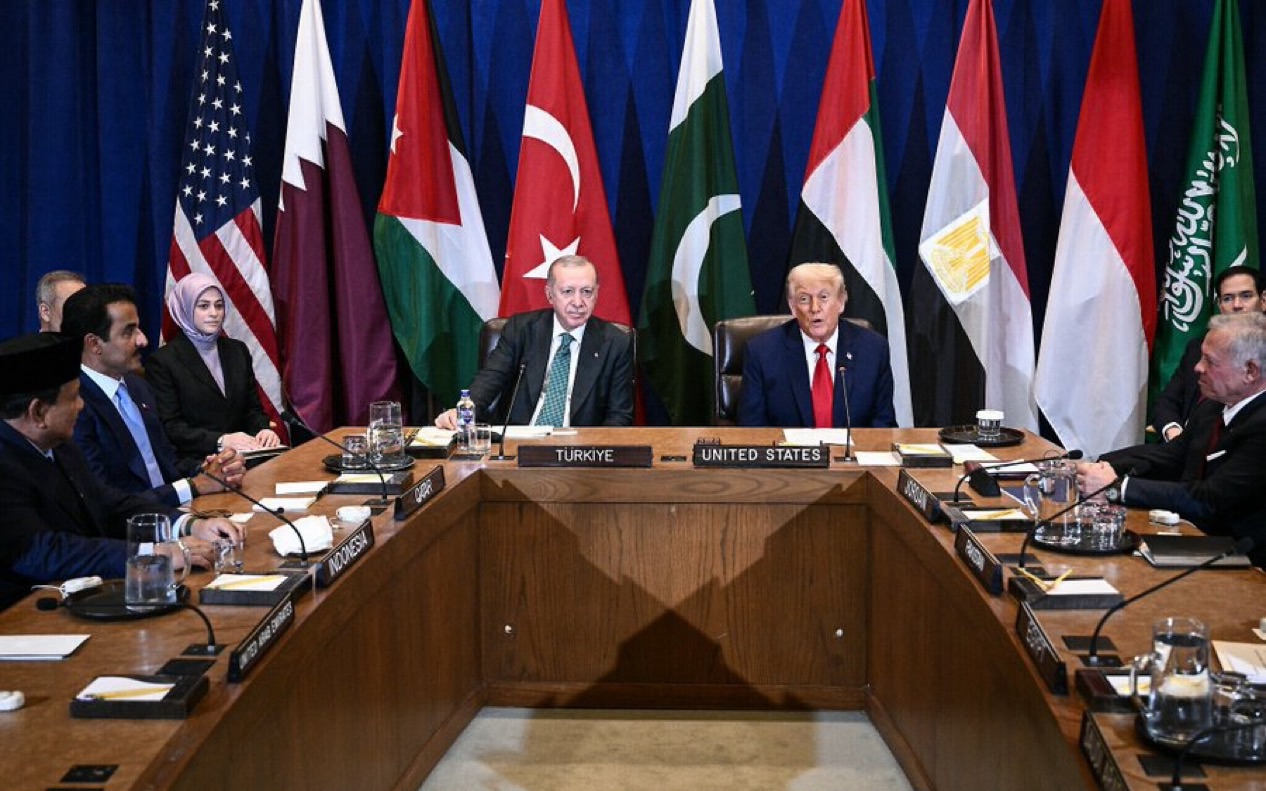
The plan, which represents the administration’s most significant diplomatic intervention in the region to date, is built on several key pillars.
First and foremost is an immediate and durable ceasefire, contingent on the swift release of all hostages held by militant groups in Gaza. The framework demands their freedom within two days of the fighting halt.
Second, the proposal directly addresses the issue of Hamas, calling for the destruction of all its “offensive weapons.” In a move designed to break the cycle of violence, the plan offers a conditional amnesty for Hamas militants who renounce violence and agree to disarm. For those who refuse, it proposes a safe passage arrangement to a third country, effectively demanding the dissolution of the group as a military force in Gaza.
Third, the plan outlines a massive, U.S.-led international effort for humanitarian aid and reconstruction. This initiative would focus on rebuilding critical infrastructure, hospitals, schools, and homes destroyed in the conflict. To ensure neutrality and prevent resources from being diverted, the distribution of aid would be managed by the United Nations and other pre-approved international bodies.
Fourth, on the critical issue of governance, the proposal calls for a temporary administration run by “qualified Palestinians,” who would be vetted and work under international oversight. This interim body would govern Gaza until a reformed and revitalized Palestinian Authority is deemed ready to reassume control.
Fifth, to facilitate a full Israeli withdrawal, the plan mandates the creation of an international security force. Comprised of troops from Arab nations and other international partners, this force would be responsible for maintaining security and stability within Gaza during the transitional period.
Finally, the framework includes provisions for prisoner exchanges, which would see Israel release an unspecified number of Palestinian prisoners, but only after all hostages have been safely returned. It also tentatively opens a door to future diplomacy, stating that talks exploring a pathway to Palestinian statehood could begin, but only after the successful reconstruction of Gaza and the implementation of significant reforms within the Palestinian leadership.
The plan has been presented to both Israeli and Palestinian representatives, but initial reactions have not yet been made public. Its success will hinge on the willingness of both sides—and particularly Hamas—to accept its stringent conditions.