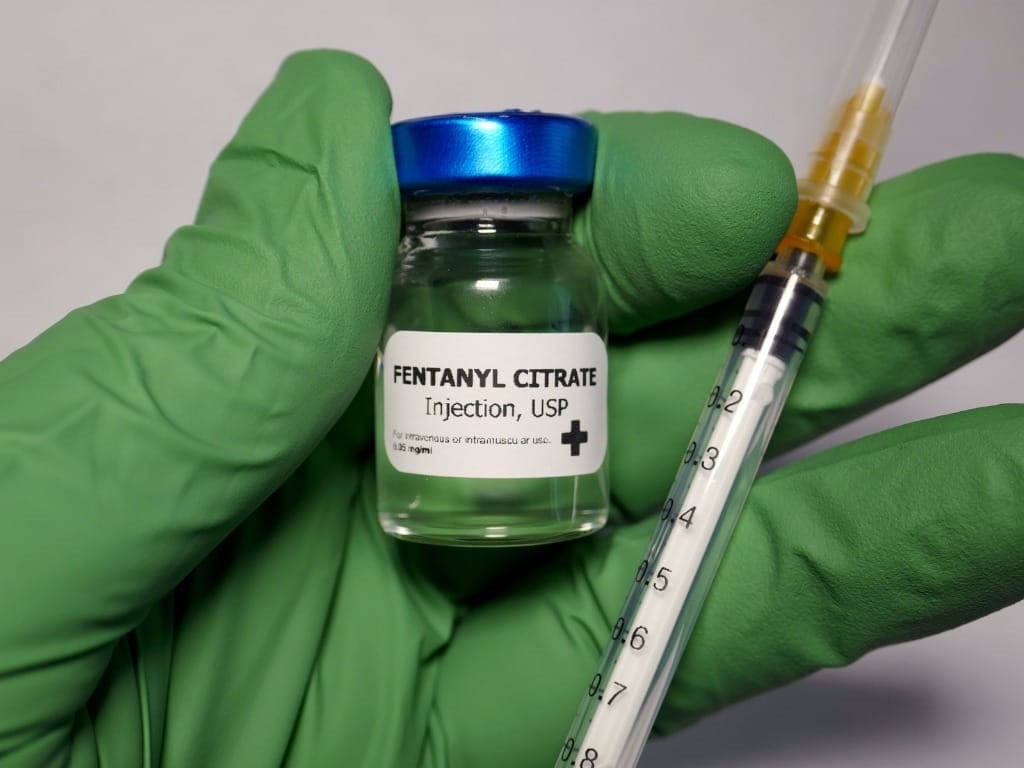

President Donald Trump signed a landmark Executive Order on Monday, officially designating illicit fentanyl as a “weapon of mass destruction” (WMD). The move, which fulfills a key campaign promise, fundamentally shifts the United States’ approach to the opioid crisis from a public health challenge to a top-tier national security priority.
In a signing ceremony at the White House, surrounded by law enforcement officials and families of overdose victims, President Trump described the synthetic opioid as a “chemical warfare agent” being deployed against the American people. “This is not just a drug problem; this is an invasion,” Trump declared. “When a substance is so deadly that two milligrams—the size of a few grains of salt—can kill a human being, it is no longer a narcotic. It is a weapon of mass destruction, and we will treat it as such.”
The designation grants the Department of Homeland Security (DHS) and the Department of Defense (DOD) sweeping new authorities. By classifying fentanyl alongside nuclear, biological, and chemical agents, the administration can now unlock resources previously reserved for counter-terrorism and counter-proliferation missions. Border Czar Tom Homan, who has long advocated for the shift, confirmed that the order allows U.S. forces to use “advanced detection technologies and aggressive interdiction strategies” to dismantle cartel supply chains before they reach the border.
Under the new directive, the government will target the “core precursor chemicals” often sourced from China and processed in Mexico. The order authorizes the Treasury Department to impose “maximum pressure” sanctions on any foreign entity involved in the fentanyl supply chain, effectively freezing them out of the global financial system. Additionally, federal prosecutors can now pursue life sentences or even the death penalty for traffickers under WMD statutes (18 U.S.C. § 2332a), a legal escalation designed to deter high-level cartel operatives.
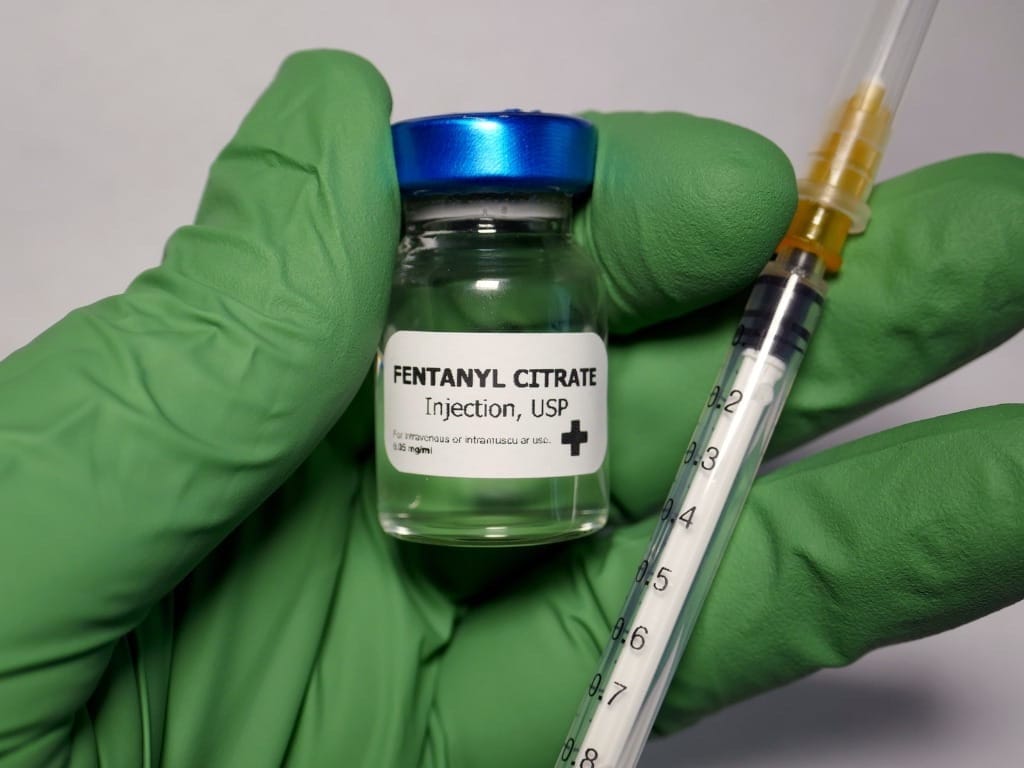
Critics of the policy warn that the WMD designation could lead to the over-militarization of drug policy and hinder public health efforts. Harm reduction advocates argue that the label stigmatizes addiction and could divert funding away from treatment programs. “You cannot bomb your way out of an overdose crisis,” stated a representative from the Drug Policy Alliance. However, the administration maintains that the sheer scale of the death toll—which exceeded 100,000 annually in recent years—requires an “unorthodox and overwhelming” response.
The Executive Order takes immediate effect, with DHS teams already deploying new sensor arrays at ports of entry in Texas and California. As the war on drugs enters this uncharted territory, the world watches to see if the “WMD” label will finally curb the tide of a poison that has devastated communities across the nation.