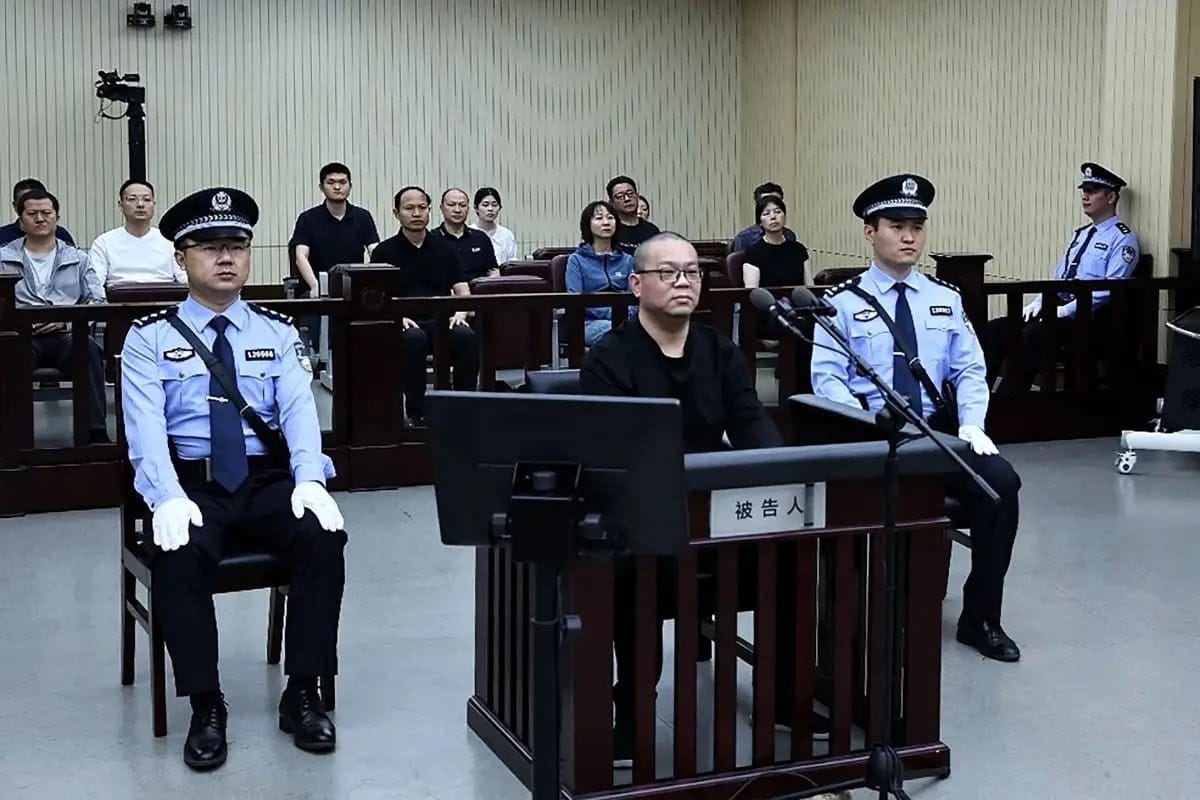

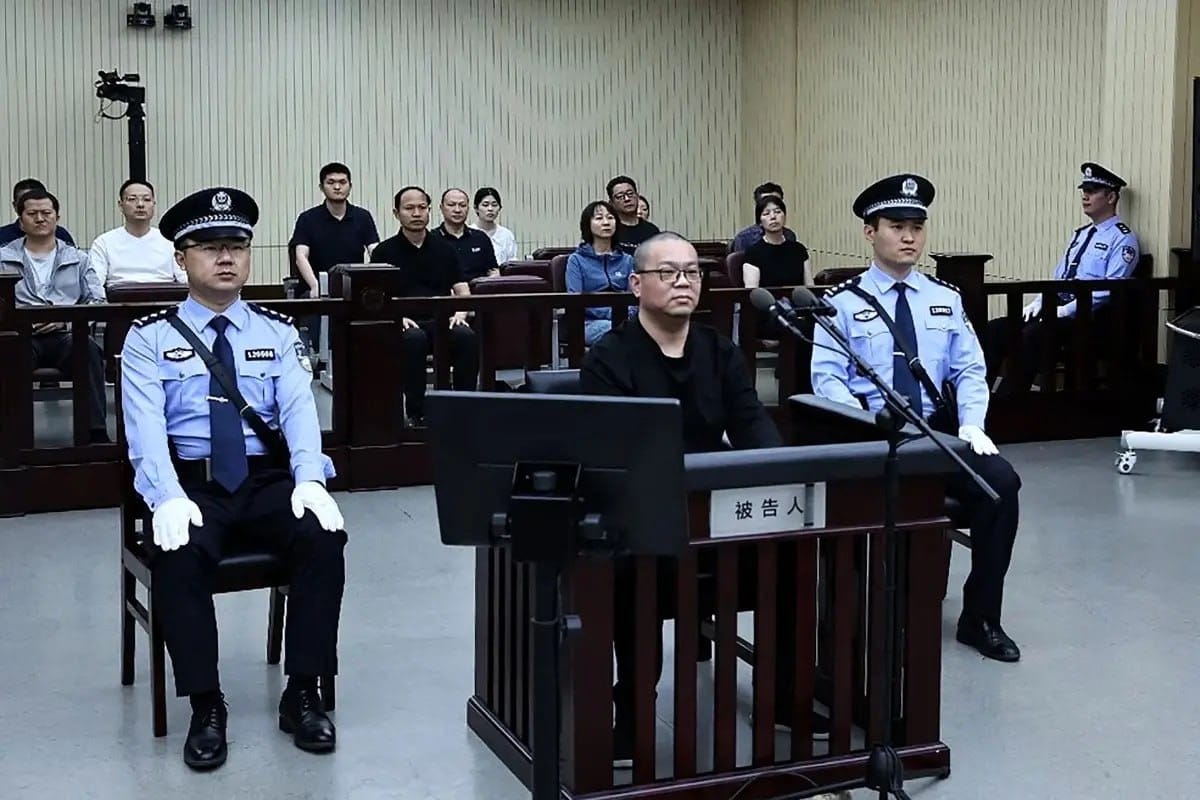
China has executed Bai Tianhui, the former general manager of China Huarong International Holdings, after he was convicted of accepting a staggering 1.1 billion yuan (approximately £116 million or $154 million USD) in bribes. The execution, which took place in Tianjin on Tuesday, December 9, 2025, underscores the ruthless intensity of President Xi Jinping’s ongoing, years-long anti-corruption campaign, which targets high-level officials across the financial and political sectors.
The Scale of the Crime
Bai Tianhui was found guilty of taking massive bribes between 2014 and 2018. The Supreme People’s Court of China stated that the amount of money involved was “especially huge” and that his actions caused “extremely heavy losses” to the country and the state, necessitating the death penalty. Huarong International Holdings is the offshore unit of China Huarong Asset Management Co., one of the country’s “Big Four” state-owned asset management firms established to deal with bad debt.
His execution follows a chilling precedent set by the case of his former boss, Lai Xiaomin, the ex-chairman of the entire China Huarong group, who was executed in January 2021 for taking an even larger sum of bribes (1.79 billion yuan). Lai Xiaomin’s execution was described by state media as a “warning to those who still intend to take chances,” emphasizing that severe punishment awaits those who undermine the state’s financial stability.
Xi Jinping’s Unrelenting Campaign
The execution of Bai Tianhui reinforces the message that the Chinese Communist Party (CCP) is committed to its zero-tolerance policy against graft, regardless of the official’s rank or the economic losses incurred. President Xi Jinping launched the anti-corruption drive in 2012, branding it a necessary step to secure the party’s legitimacy and eliminate “tigers and flies” (high- and low-ranking corrupt officials).
The campaign has since evolved into a powerful tool used to consolidate Xi’s political power, purging rivals and tightening control over state-owned enterprises (SOEs) and the crucial financial sector. The financial industry, in particular, has seen intense scrutiny, with numerous high-profile officials in banking, insurance, and asset management facing investigation and severe penalties in recent years.
The decision to execute major financial offenders is intended to send a stark warning: that corruption, especially that which compromises state-owned assets and financial security, is considered a crime against the state that merits the ultimate penalty. Bai Tianhui’s fate serves as the latest, most severe example of the party’s commitment to maintaining its centralized control over China’s vast economy and eliminating perceived threats to its authority.