
The U.S. State Department approved an $82 million weapons package for Japan, including 28 GBU-53 Small Diameter Bomb II precision-guided munitions, JDAM conversion kits, and hundreds of general-purpose bombs to enhance Tokyo’s long-range strike capabilities. The Defense Security Cooperation Agency notified Congress of the Foreign Military Sale on November 19, 2025.
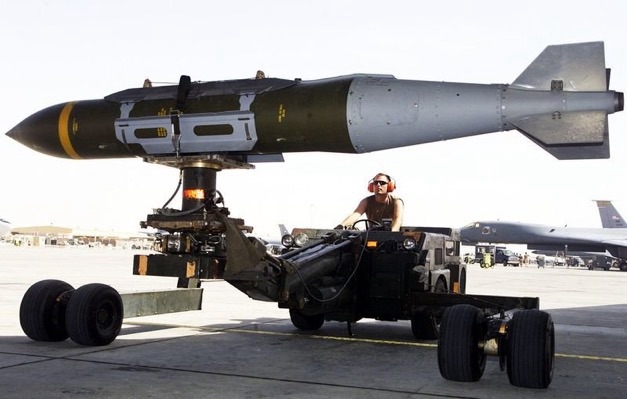
The package includes 120 GBU-39 SBD-I glide bombs, 30 KMU-556 JDAM tail kits for GBU-31 bombs, 20 KMU-559 kits for GBU-32, 24 KMU-572 kits for GBU-38, plus 24 MK-82 500-pound bombs, 30 MK-84 2,000-pound bombs, and 21 BLU-110 1,000-pound bombs. The sale also covers classified software, fuzes, laser sensors, training aids, spare parts, and logistics support from Boeing and RTX Corporation.
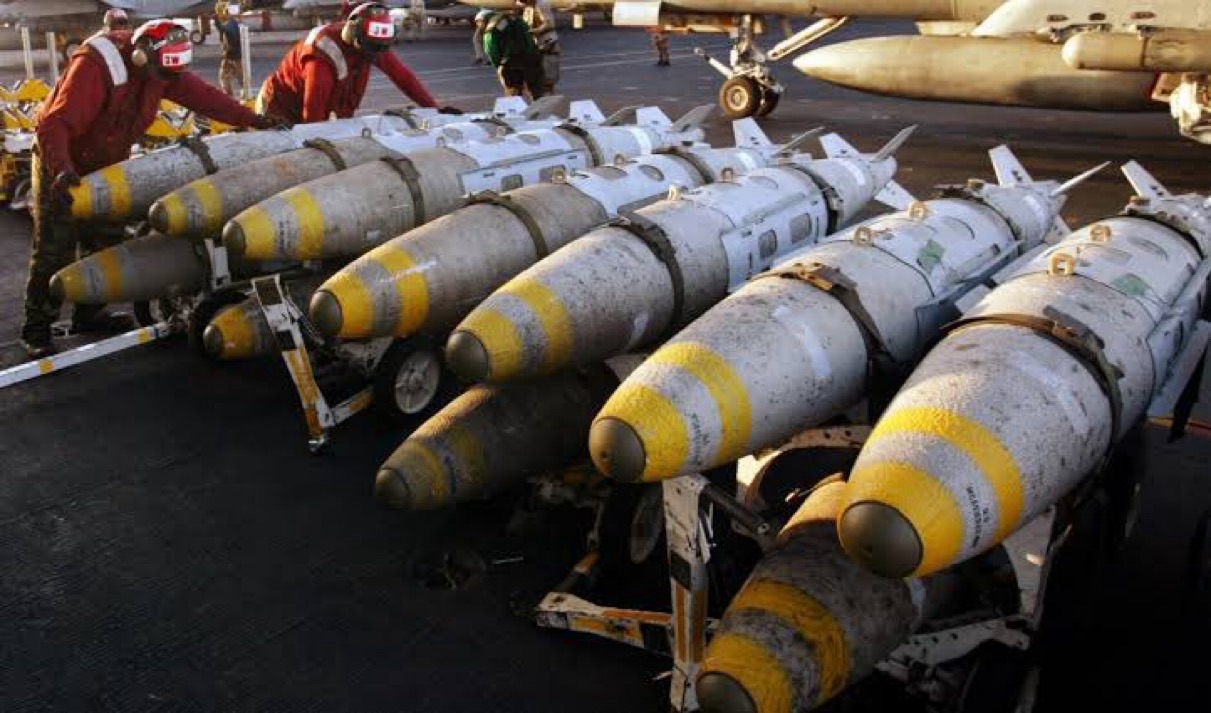
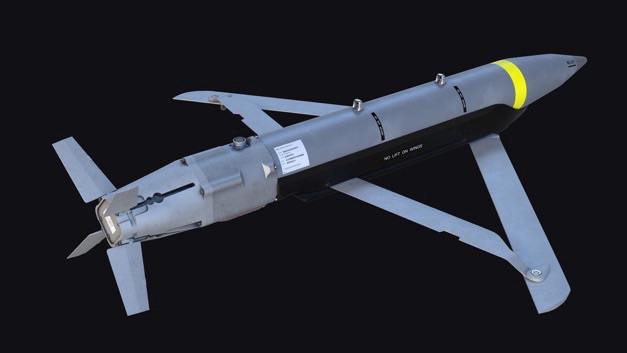
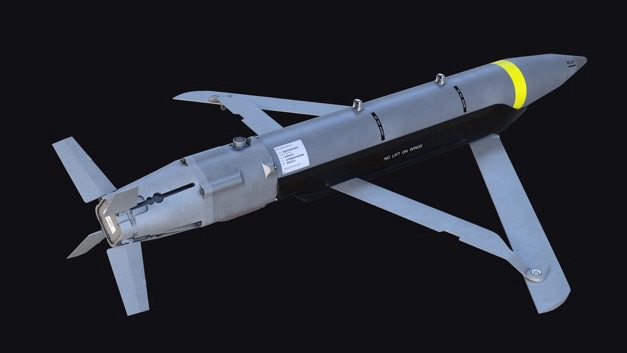
The GBU-53 StormBreaker bombs feature tri-mode seekers with infrared imaging and millimeter-wave radar, enabling precision strikes through fog, smoke, and rain at ranges exceeding 72 kilometers. The precision munitions will equip Japan’s F-35 Lightning II and upgraded F-15J fighter fleets, providing stand-off capability against regional threats.
“This proposed sale will support U.S. foreign policy goals by improving the security of a major ally that is a force for political stability in the Indo-Pacific,” the DSCA stated. Japan will integrate the weapons into its Air Self-Defense Force with no difficulty absorbing the new capabilities.
The $82 million package strengthens Japan’s ability to meet current and future threats through advanced, long-range strike systems. The sale will not alter the basic military balance in the region, according to defense officials.
Japan’s acquisition of SDB-II munitions represents a significant capability upgrade, allowing its fighters to engage moving targets with high precision from stand-off distances. The JDAM kits convert unguided bombs into all-weather precision weapons, enhancing Japan’s strike flexibility across multiple platforms.
The agreement follows Japan’s broader military modernization efforts as Tokyo addresses regional security challenges. The weapons package supports Japan’s role as a key U.S. ally in maintaining Indo-Pacific stability.