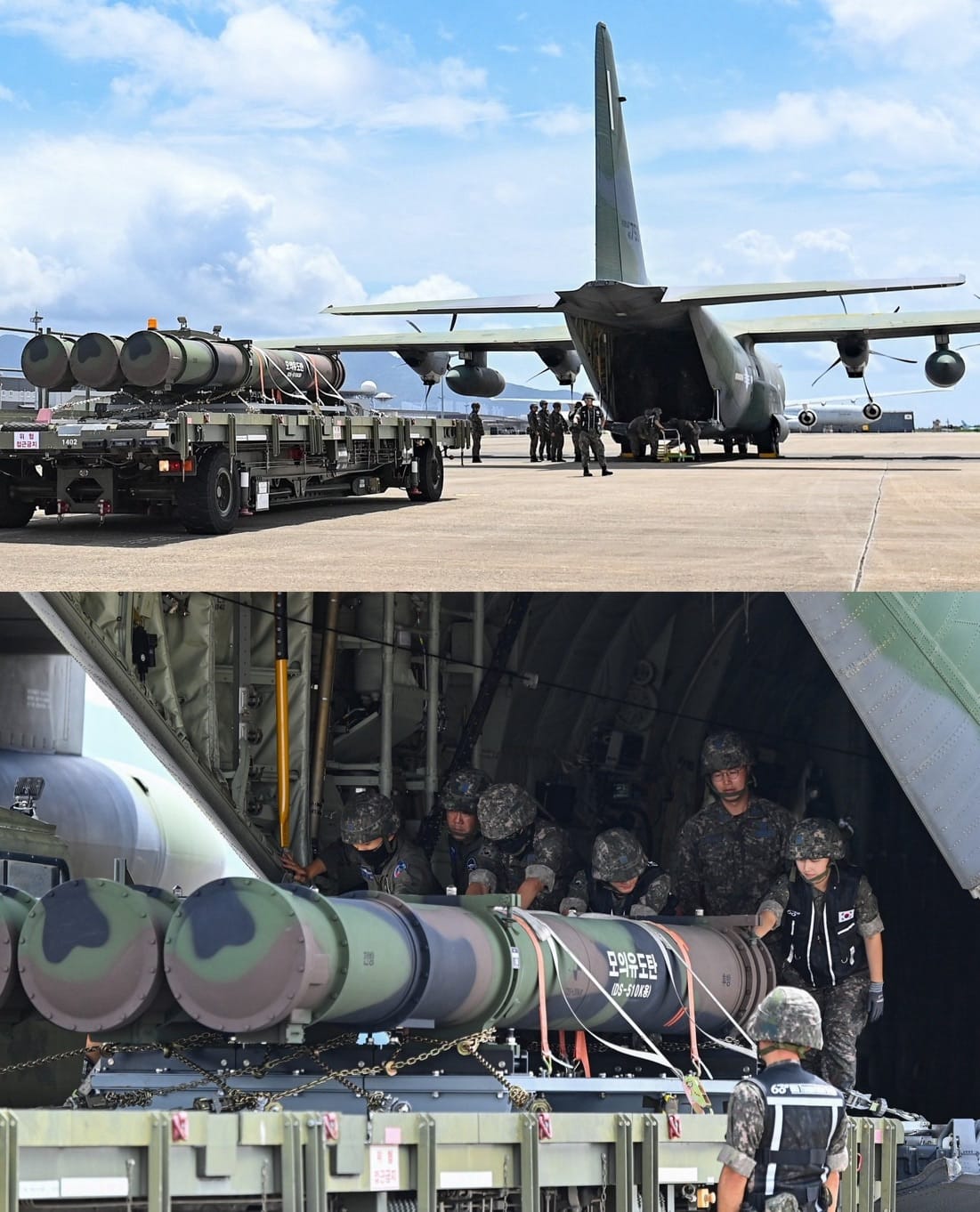

The United Arab Emirates’ air defense grid is receiving a critical, highly expedited reinforcement from East Asia. In direct response to the escalating Iranian ballistic missile barrages striking the Arabian Peninsula, South Korea has announced an emergency airlift of approximately thirty advanced missile interceptors directly to the UAE.
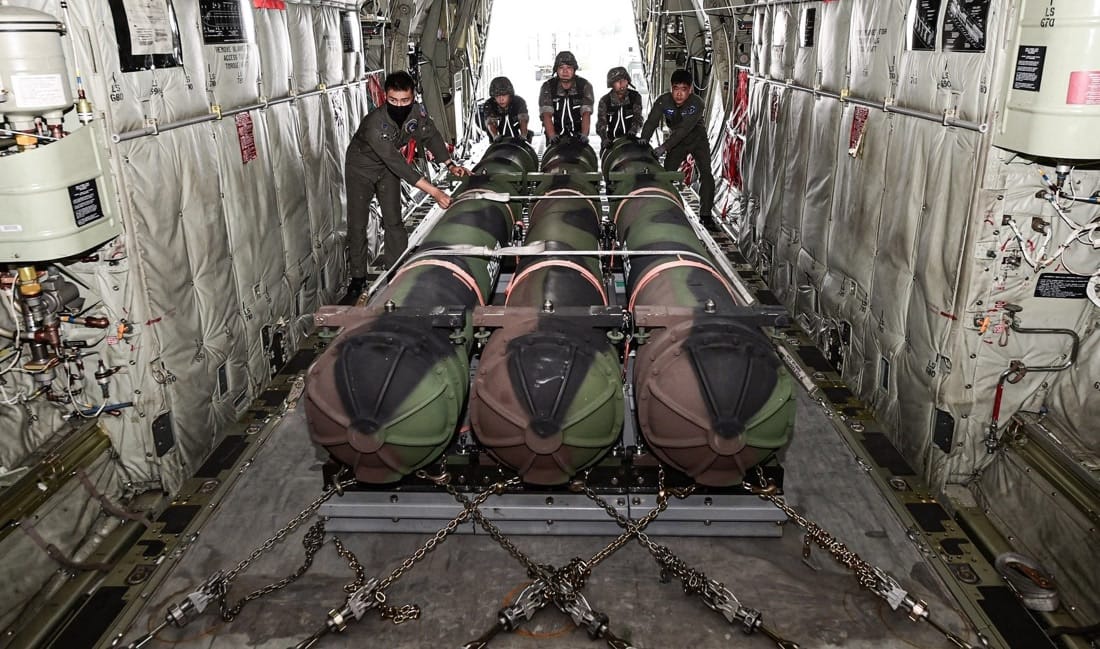
The Emergency C-17 Airlift
To bypass standard manufacturing delays and immediately fortify Abu Dhabi’s heavily strained skies, Seoul is reportedly tapping directly into the Republic of Korea Air Force (ROKAF) strategic reserves.
* Expedited Delivery: Transported via heavy-lift C-17 cargo planes, the emergency shipments are scheduled to arrive tomorrow and will continue sequentially until March 9th.
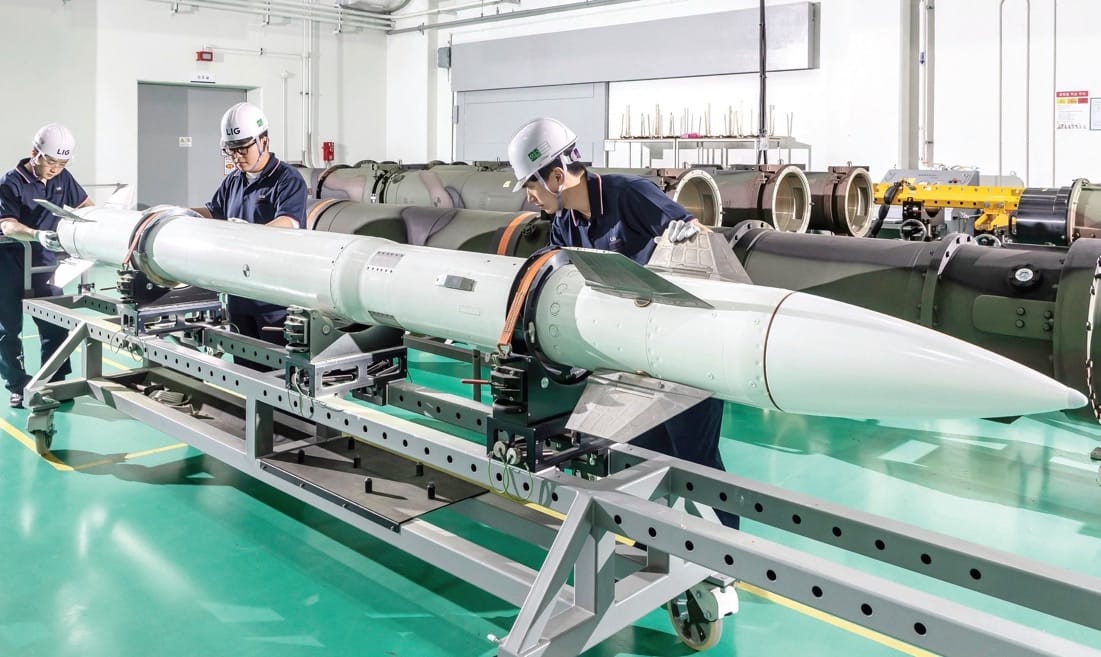
* The Cheongung-II System: The UAE currently operates two M-SAM-II (Cheongung-II) batteries out of a massive ten-battery contract. This emergency airlift fundamentally accelerates the delivery of interceptor munitions originally scheduled for a much later date, ensuring the active Emirati batteries do not run dry during the ongoing Iranian saturation attacks.
Block-I vs. Block-II Capabilities
Military analysts note that while the UAE urgently requires anti-ballistic capabilities, a mixed munitions strategy might prove highly beneficial in the current, multi-domain threat environment.
* M-SAM Block-I: This variant is a general-purpose surface-to-air missile specifically designed to neutralize traditional aerodynamic threats like fighter jets, suicide drones, and cruise missiles. It lacks the complex, high-velocity technologies required for ballistic interception but is highly effective against lower-tier threats.
* M-SAM Block-II: The Block-II interceptor currently being utilized by the UAE is explicitly engineered for hit-to-kill anti-ballistic missile defense. It features an enlarged rocket motor, specialized forward canards, and advanced side-thrusters that allow for extreme, high-G terminal maneuvers to physically collide with incoming Iranian ballistic warheads.
Protecting the Barakah Nuclear Plant
The rapid deployment of these South Korean interceptors is not merely a transactional arms deal; it is a vital necessity to protect deeply shared national interests.
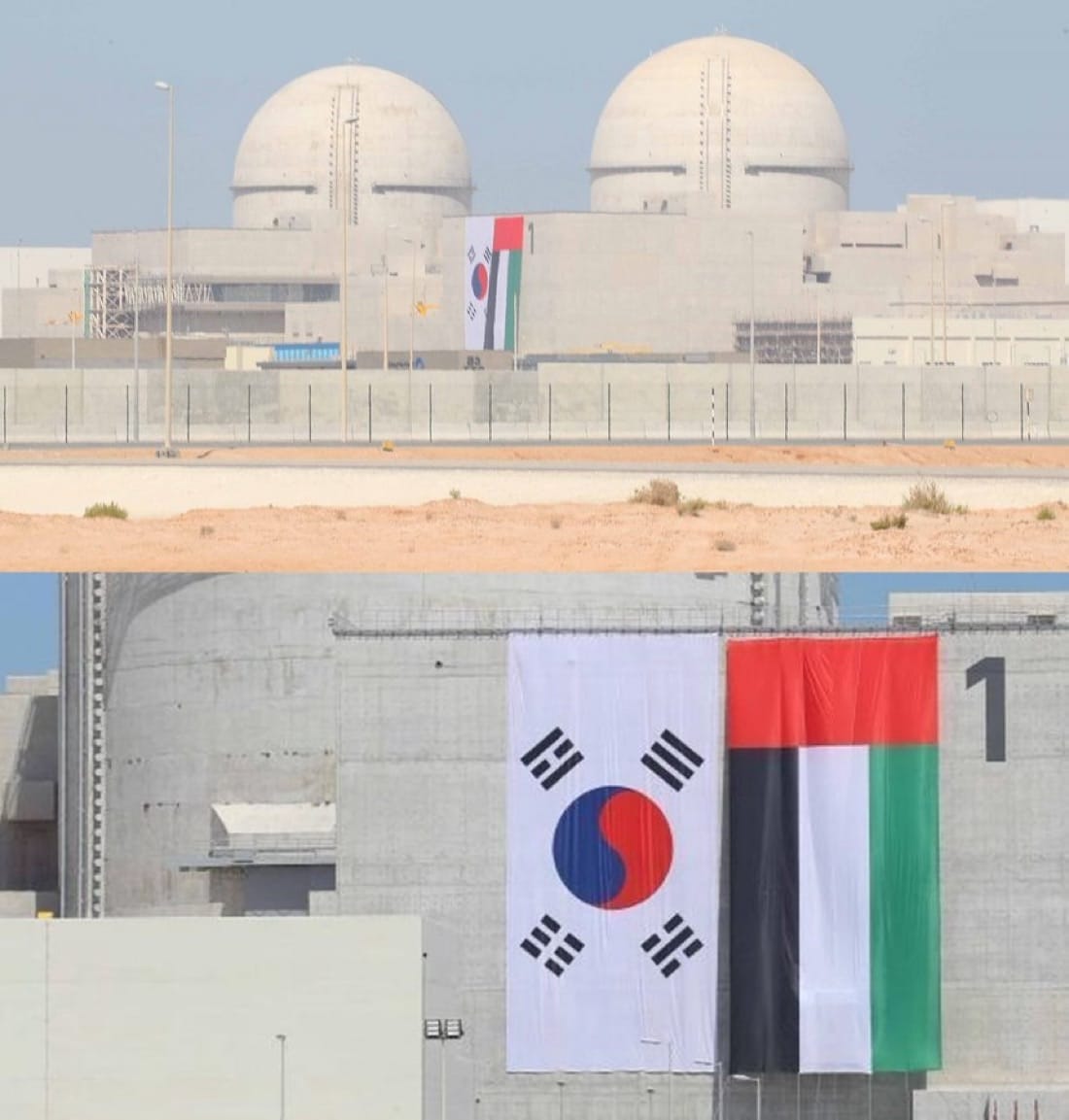
* A Critical Vulnerability: The UAE is home to the massive Barakah Nuclear Power Plant, a sprawling facility constructed entirely by a South Korean-led consortium.
* The Energy Lifeline: Producing approximately 25 percent of the UAE’s total domestic electricity, the Barakah plant is an absolute top-tier priority for the Emirati air defense network. Ensuring this facility—alongside vital desalination plants and oil refineries—is shielded from Iranian strikes is a paramount strategic objective for both Abu Dhabi and Seoul.
A Deepening Strategic Alliance
This emergency military logistical support highlights a massive geopolitical alignment between the two nations. Seoul and Abu Dhabi have recently agreed to officially elevate their existing “Special Strategic Partnership” to the highest possible diplomatic level. Furthermore, South Korea’s highly secretive Agency for Defense Development (ADD)—the architects behind the nation’s most advanced weaponry—has officially chosen the UAE as the location for its very first overseas branch. As the Middle Eastern conflict violently expands, this deepening defense collaboration guarantees South Korea will play a crucial, highly active role in shaping the region’s security architecture.