
The Netherlands Ramps Up Counter-Drone Security for Critical EU Summit
In a significant show of European solidarity and immediate security concern, the Netherlands has announced the deployment of counter-drone units to Denmark. This move is a direct response to a recent and escalating wave of unidentified drone incursions that have plagued the airspace of key Northern European nations for over two weeks. The Dutch contingent will join an international task force that includes partners from France, Germany, Sweden, and even Ukraine, signaling a robust, united front against what many fear is a calculated and coordinated campaign of aerial surveillance and intimidation.

The timing of this increased security posture is crucial. The deployment comes just days before a highly anticipated EU Summit in Copenhagen, where European leaders will gather to discuss critical geopolitical and economic issues. The convergence of such high-level political figures demands a commensurate increase in airspace security, particularly given the proven capability of small, commercially available drones to disrupt and even threaten sensitive areas. The Danish capital, therefore, will be operating under a tight security umbrella, with an unprecedented focus on managing an increasingly crowded sky.

The Anatomy of the Incursions
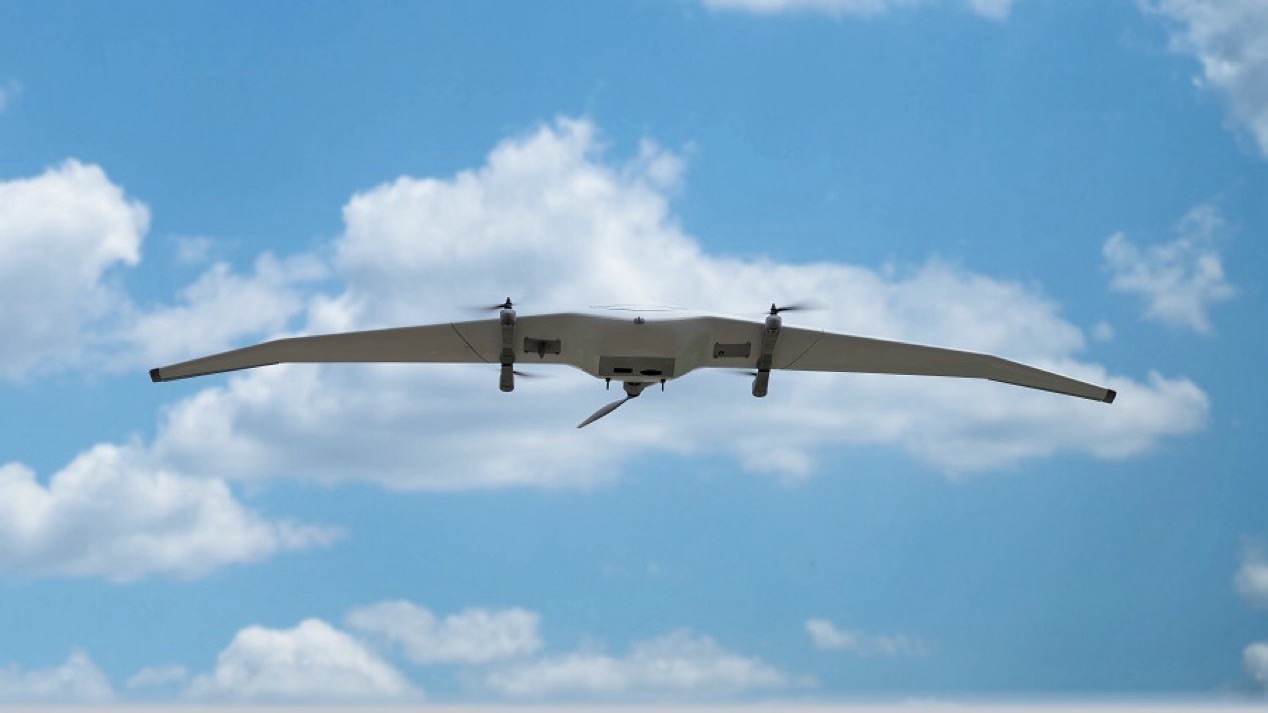
The recent spate of drone activity has sent ripples of concern through the military and civilian sectors of Norway, Sweden, and Denmark. Reports detail instances of small, silent aerial vehicles entering restricted airspace, loitering for extended periods near sensitive military installations, and hovering ominously around major international airports. In some cases, the drone activity has been significant enough to trigger temporary groundings or diversions, highlighting the profound operational impact these incursions are having on normal civilian life and critical infrastructure.
These are not isolated incidents but a pattern. The drones, often sighted after dusk, appear to be conducting reconnaissance. Their presence near naval bases, air force facilities, and energy infrastructure suggests an interest in mapping security protocols, observing military movements, or simply creating an environment of pervasive low-level threat. The sheer volume and geographical spread of the sightings point toward a level of organization and resources beyond the capability of casual hobbyists. The consensus among intelligence agencies is that this is a state-level or state-sponsored operation designed to test the resilience and response time of Northern European defenses.
The Dutch Contribution to the European Shield
The Dutch decision to send their anti-drone systems is a powerful testament to their military and technological expertise. The Royal Netherlands Army and Air Force have been at the forefront of developing sophisticated solutions to what is known in security circles as the C-UAS (Counter-Unmanned Aerial Systems) challenge. Modern counter-drone technology moves far beyond simply trying to shoot a drone down; it involves a complex, multi-layered approach.
The Dutch systems likely incorporate a triad of capabilities: detection, identification, and mitigation.
1. Detection and Identification: This involves high-powered radar, acoustic sensors, and RF (radio-frequency) analysers that can accurately pinpoint the small, low-observable signature of a civilian drone. Crucially, the system must also be able to rapidly differentiate between an authorised aircraft and an unauthorised intrusion—a process known as “de-confliction.”
2. Mitigation: Once identified as a threat, the most common mitigation strategy is a soft kill. This involves using powerful directional jammer technology to disrupt the drone’s control link (its communication with its pilot) or its GPS signal. By interrupting these critical links, the system can force the drone to land safely, return to its launch point, or simply drift out of the restricted zone, often without the need for kinetic action. This approach minimises collateral damage, a key concern in densely populated urban areas like Copenhagen.
A Coalition of Defense: Why the Joint Response Matters
The coalition formed to address this threat—comprising the Netherlands, France, Germany, Sweden, and Ukraine—is strategically significant. It represents a unified European front, drawing on varied expertise.
• France and Germany bring substantial resources and advanced C-UAS research capabilities, with both nations having dealt with similar surveillance issues around high-value industrial and political sites.
• Sweden and Denmark provide local intelligence and operational knowledge of the compromised airspace, having been the primary victims of the incursions.
• Ukraine’s involvement, while perhaps surprising, is profoundly important. As a nation currently battling one of the world’s most intense conflicts, Ukraine has become a global leader in both the offensive and defensive use of drone technology. Their expertise in electronic warfare, drone identification, and the effective deployment of C-UAS systems in a real-world theatre of war is invaluable to the European task force.
The joint deployment means a shared, interoperable defence network will be established, pooling radar data, sharing intelligence on the drones’ likely origins and capabilities, and standardising response protocols. This synergy ensures that the airspace above Copenhagen is not just monitored by one nation, but by a cohesive, high-tech European shield.
The Broader Implications of the Crowded Sky
The situation in Northern Europe is a stark illustration of a global shift in security threats. The proliferation of affordable, sophisticated drone technology has democratised airborne surveillance and attack capability. What was once the sole domain of nation-states is now a tool available to a much wider range of actors, making the task of airspace management exponentially more complex.
For the upcoming EU Summit, the anti-drone deployment is a necessary safeguard. It guarantees the security and peace of mind for the dozens of heads of state and government officials attending. More broadly, however, this incident will likely serve as a major wake-up call for the EU, pushing the bloc to formalise and heavily invest in a continent-wide strategy for Counter-UAS defense.
The skies above Europe are becoming increasingly crowded, and the clear message from The Hague and the wider coalition is that any unauthorized intrusion will be met with immediate, sophisticated resistance. The Netherlands, by deploying its expertise, has reinforced its commitment to collective European security, ensuring that the critical discussions taking place in Copenhagen can proceed without the constant fear of a lurking presence in the air. The shield is up, and Europe’s leaders are ready to face not only the geopolitical challenges on the agenda but also the novel threats posed by the silent, whirring danger of the modern drone.