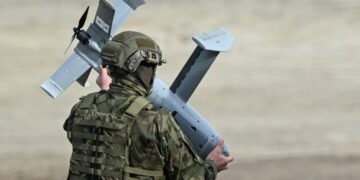



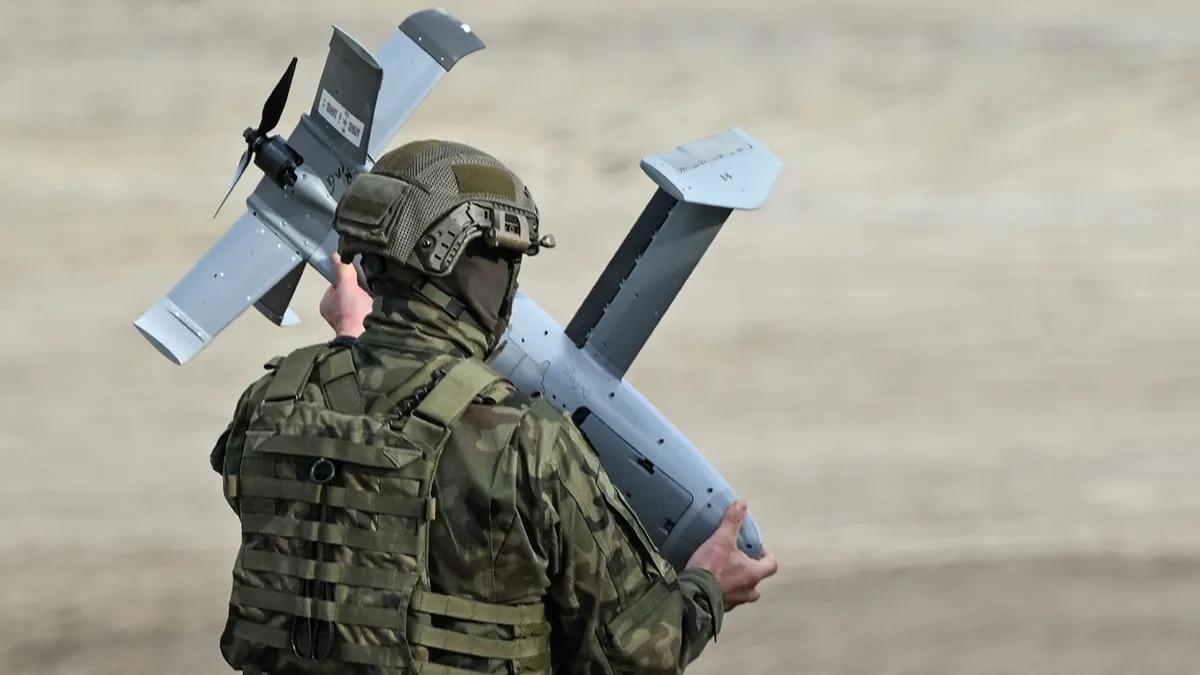
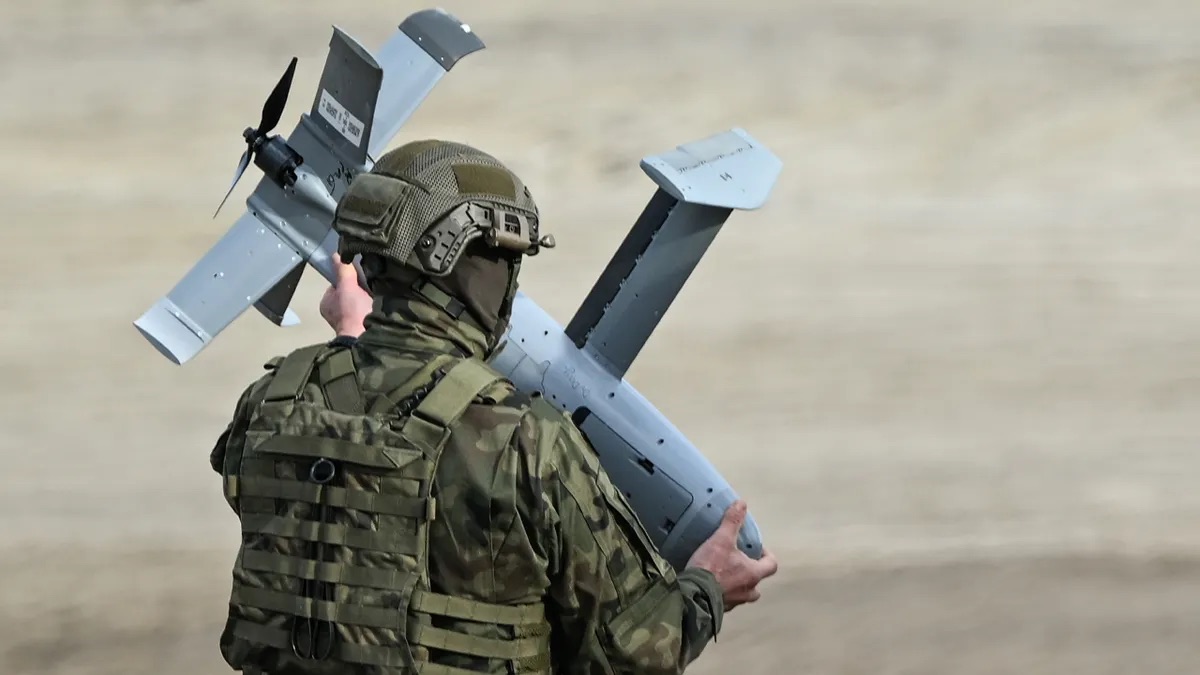
The deployment of the Merops counter-unmanned aerial system to the Middle East marks a revolutionary shift in American air defense doctrine. Developed by Perennial Autonomy—a defense technology startup backed by former Google Chief Executive Eric Schmidt—this system abandons expensive traditional missiles in favor of highly agile, cost-effective interceptor drones. Designed to specifically neutralize the persistent threat of Iranian Shahed loitering munitions, the Merops platform provides a critical, highly autonomous defensive shield.
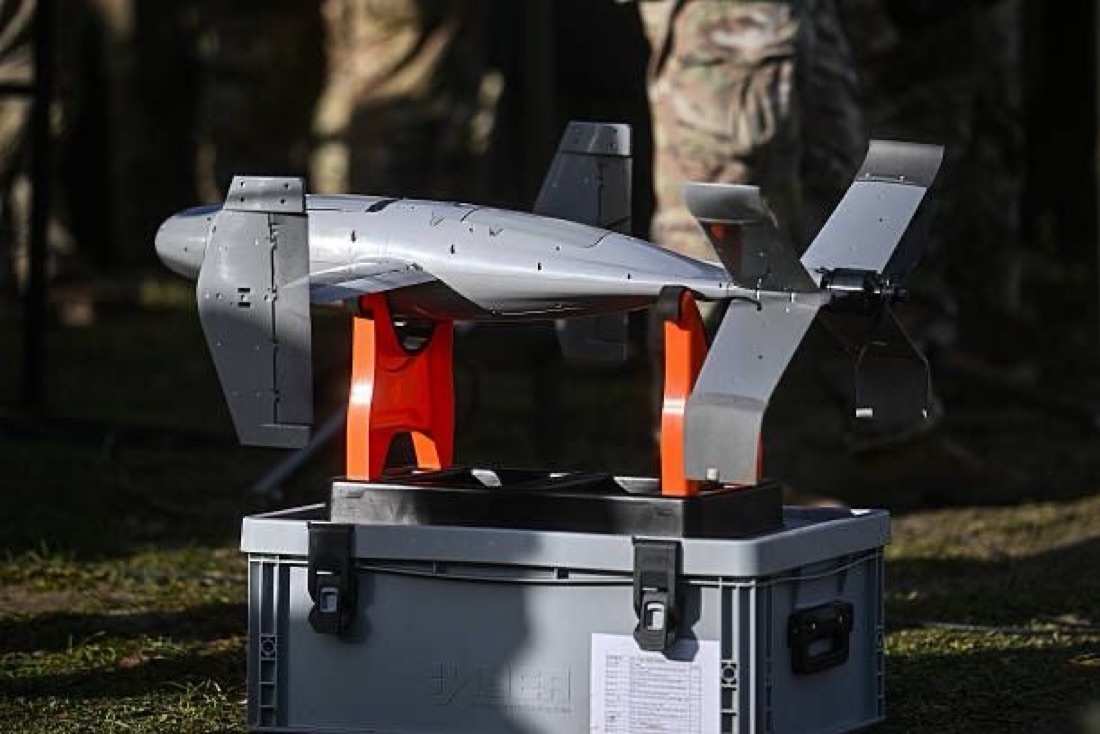
The Surveyor Interceptor
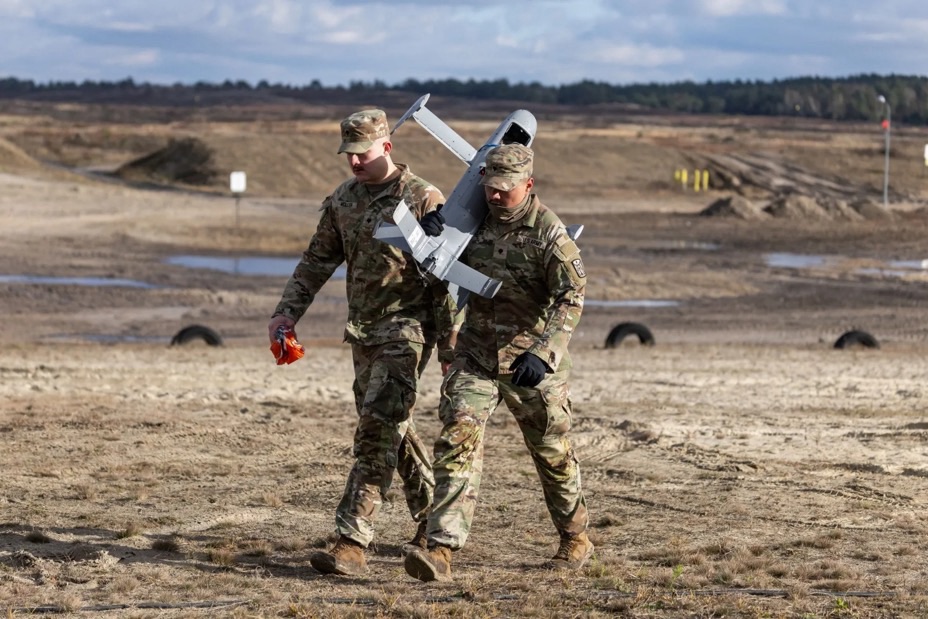
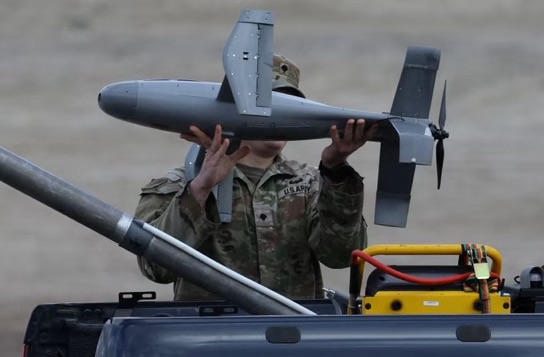
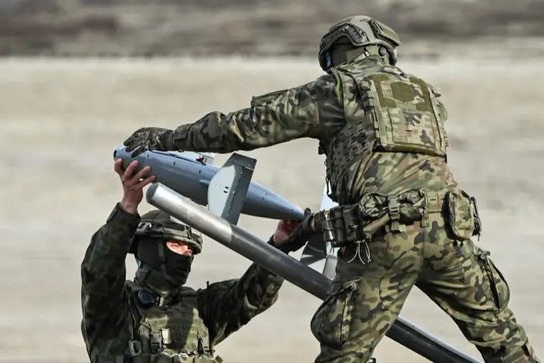
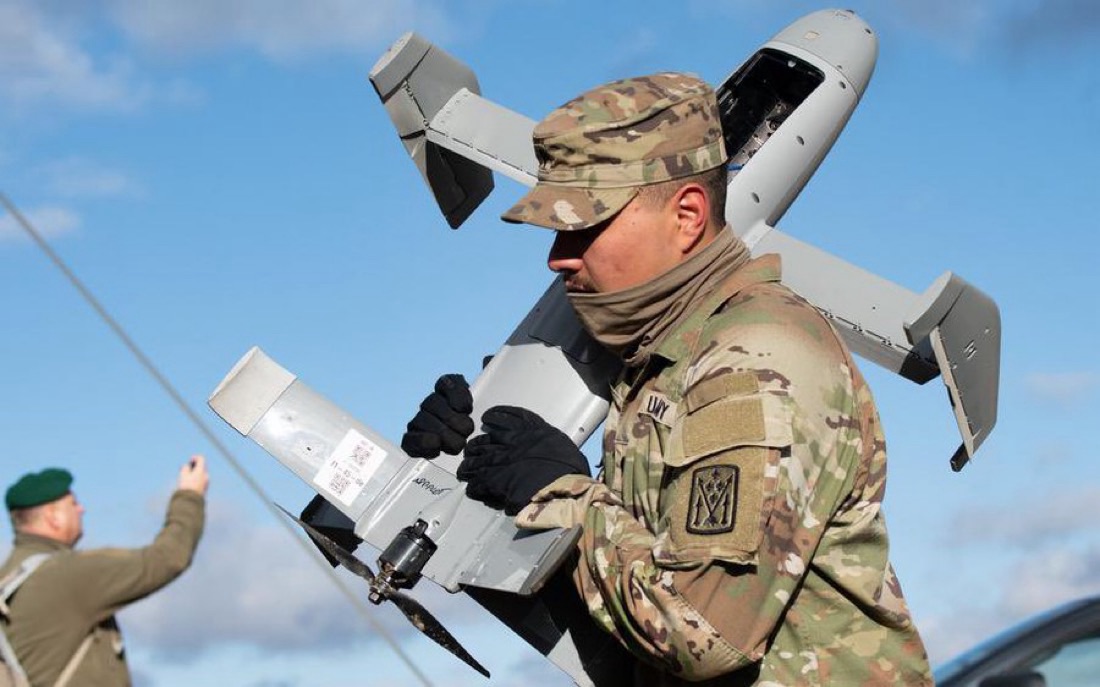
At the heart of the Merops system is the Surveyor interceptor drone. Unlike conventional quadcopters, the Surveyor is a sleek, fixed-wing unmanned aerial vehicle explicitly engineered for high-speed kinetic engagements.
* Flight Performance: The interceptor is capable of reaching maximum flight speeds exceeding two hundred and eighty kilometers per hour. This rapid velocity allows the Surveyor to easily chase down, overtake, and destroy both propeller-driven and certain jet-powered enemy drones in midair.
* Operational Range: Depending on the specific engagement conditions and target trajectory, the drone boasts an effective tactical interception range of five to twenty kilometers from its initial launch point.
* Lethal Payload: To ensure the absolute destruction of hostile targets, the Surveyor carries a highly specialized two-kilogram fragmentation warhead, which detonates upon direct impact or extreme proximity to completely shred the enemy aircraft.
Artificial Intelligence and Guidance
The defining technological advantage of the Merops system is its heavy reliance on advanced artificial intelligence and machine vision.
* Autonomous Homing: While human operators initially guide the drone toward the general vicinity of the threat, the Surveyor transitions to fully autonomous terminal guidance once the target is visually acquired. Its onboard electro-optical sensors lock onto the enemy drone, continuously adjusting its flight path to ensure a successful kinetic strike.
* Electronic Warfare Resistance: Because the terminal interception phase relies entirely on internal AI-driven optical tracking rather than external signals, the Merops drone is highly resistant to sophisticated enemy electronic warfare. It can successfully hunt and destroy targets even in environments where GPS navigation and radio communications are heavily jammed.
System Deployment and Operation
The entire Merops defense complex is explicitly designed for maximum mobility and rapid field deployment. The foundational system components—which include multiple interceptor drones, mobile launch platforms, and the integrated ground control command station—are compact enough to easily fit into the back of a standard midsize pickup truck. This allows allied forces to establish immediate air defense perimeters in austere desert environments where permanent military infrastructure does not exist.
The system is operated by a highly specialized four-person crew consisting of a unit commander, a pilot, and two field technicians. Remarkably, the entire training cycle for these operators lasts only two weeks. Pilots reportedly utilize standard, commercially available video game controllers to manually fly the drone into the engagement zone before activating its autonomous attack sequence. Originally priced at approximately fifteen thousand dollars per unit, massive deployment orders are expected to rapidly drive the unit cost down to under five thousand dollars. This profound economic advantage allows American forces to continuously repel massive, coordinated drone swarms without depleting multi-million dollar Patriot missile stockpiles today.