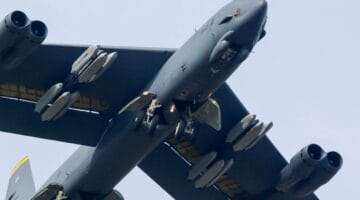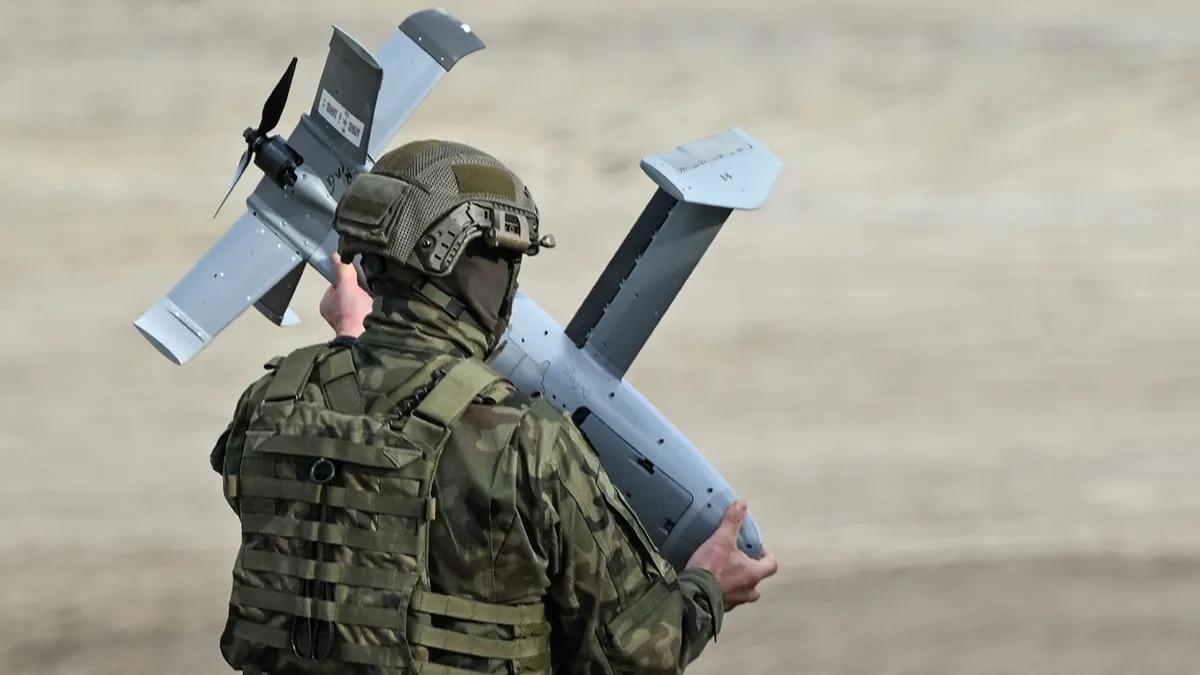

The Israeli Air Force is developing a new “target bank” system for rapid airstrikes in the West Bank, directly addressing catastrophic command and intelligence failures exposed during the October 7 Hamas assault. The initiative aims to prevent the paralysis that left southern Israel defenseless for hours while transforming how the IAF handles low-intensity threats.
IAF commanders identified critical gaps after October 7: failure to prepare defenses against low-altitude drones and paragliders, inadequate early warning systems, and the devastating diversion of forces to the West Bank that stripped Gaza’s border of combat troops. The new target bank pre-identifies potential threats, enabling strikes within minutes rather than hours.
“The October 7 disaster stemmed from years of conceptual failures,” admitted a senior IAF official. “We had no functioning rapid-response protocol for emerging threats inside Israeli territory.” The October 7 meta-investigation revealed the air force didn’t maintain adequate alert levels, with many aircraft in repair shops while Hamas overran bases.
The West Bank focus reflects a strategic pivot. Before October 7, over 1,000 terrorist attacks in the West Bank during 2023 prompted Israel to shift troops and intelligence resources away from Gaza—directly enabling Hamas’s invasion. Now the IAF is institutionalizing the opposite approach: maintaining constant West Bank target packages to avoid repeating Gaza’s vulnerability.
The target bank integrates real-time intelligence from Unit 8200, drone surveillance, and Shin Bet intercepts. When a threat emerges—whether a weapons cache, militant cell, or rocket launcher—pre-approved targets can be struck immediately without lengthy authorization chains that hampered October 7 responses.
However, critics warn this approach risks over-militarizing West Bank operations. UN reports document 697 Palestinians killed in West Bank strikes since October 7, including 161 children. The Tulkarem residential building strike killed 18, mostly civilians, raising questions about proportionality.
“The IAF learned the wrong lesson,” argued a former intelligence chief. “Instead of fixing command failures, they’re institutionalizing rapid-fire strikes without addressing why Gaza was left defenseless.” The October 7 investigation found “persistent gaps between defined threats and actual readiness,” a systemic issue that pre-loading targets doesn’t solve.
Command failures persist. The meta-investigation revealed only nine of 25 internal probes were deemed “thorough and reliable,” with two-thirds incomplete. Senior officers still haven’t faced personal consequences, and the culture that dismissed female observers’ warnings remains intact.
Despite this, the IAF is forging ahead. New aircraft maintenance protocols ensure 24/7 readiness, while West Bank strike crews train for 15-minute response times. The lesson from October 7 is clear: delay equals death. Whether this creates new cycles of violence remains unaddressed.
Israeli Air Force Creates ‘Target Bank’ for Rapid West Bank Strikes After October 7 Failures
IAF creates 'target bank' for rapid West Bank strikes after October 7 failures. New system enables minute-level response but critics warn it repeats command mistakes.