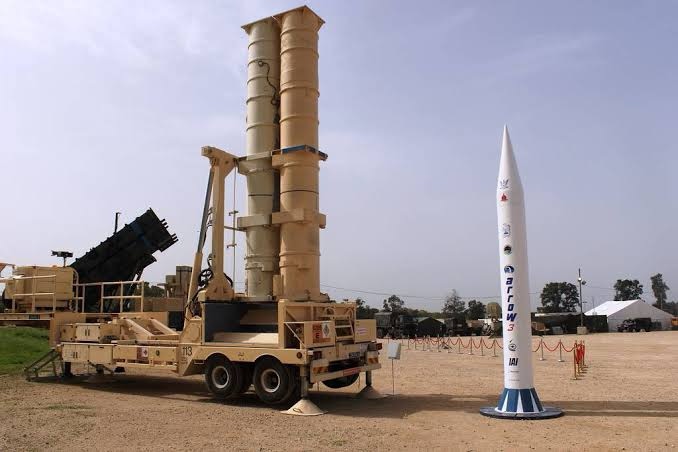

Germany is set to achieve a major strategic milestone this week, officially preparing to deploy the sophisticated Israeli-supplied Arrow 3 Exoatmospheric Anti-Ballistic Missile System. This monumental step marks the first time the high-altitude interceptor will be stationed outside of Israel, fundamentally reshaping Germany’s and, potentially, NATO’s defensive posture. The deployment, scheduled to be announced at Holzdorf Air Base, signifies an accelerated effort by Berlin to bolster its protection against long-range ballistic missile threats, a priority that has been heightened by the ongoing geopolitical tensions in Europe.
The Arrow 3 Advantage: Kinetic Defense in Space
The Arrow 3, co-developed by Israel and the United States, represents the upper tier of a layered missile defense architecture. Its primary capability is the exo-atmospheric interception of ballistic missiles—meaning it strikes the incoming threat while it is still in space, well before it can re-enter the Earth’s atmosphere and deliver its warhead. This “hit-to-kill” kinetic approach eliminates the threat earlier, reducing the risk of ground impact and potential contamination from weapons of mass destruction.
This capability is precisely what attracted Germany, which made the purchase—Israel’s largest-ever defense deal—as a cornerstone of its European Sky Shield Initiative (ESSI). The system is designed to provide coverage that extends far beyond Germany’s own borders, potentially creating a broad defensive umbrella for numerous NATO allies. The move underscores a profound shift in European defense thinking following the war in Ukraine, prioritizing robust protection against threats emanating from the East.
Combat Proven: Lessons from the Middle East
The system’s deployment comes with significant confidence, thanks to its extensive and successful use in real-world combat scenarios over the past year. The Arrow 3, along with its predecessor Arrow 2, played a crucial role in defending Israel during the large-scale missile attacks launched by Iran during the Israel-Iran War. Its ability to intercept and neutralize incoming ballistic missile salvos at extreme altitudes proved critical in mitigating potential catastrophic damage.
Furthermore, the system achieved its first operational intercept in late 2023, successfully shooting down a long-range ballistic missile fired by Iranian-backed Houthi forces in Yemen targeting the Israeli port city of Eilat. These engagements demonstrated the system’s reliability and its superior ability to handle high-velocity, high-altitude threats. For Germany, these combat proofs offer a crucial validation of its investment in a time of heightened regional vulnerability.
Operationalizing the Shield: Timeline and Future
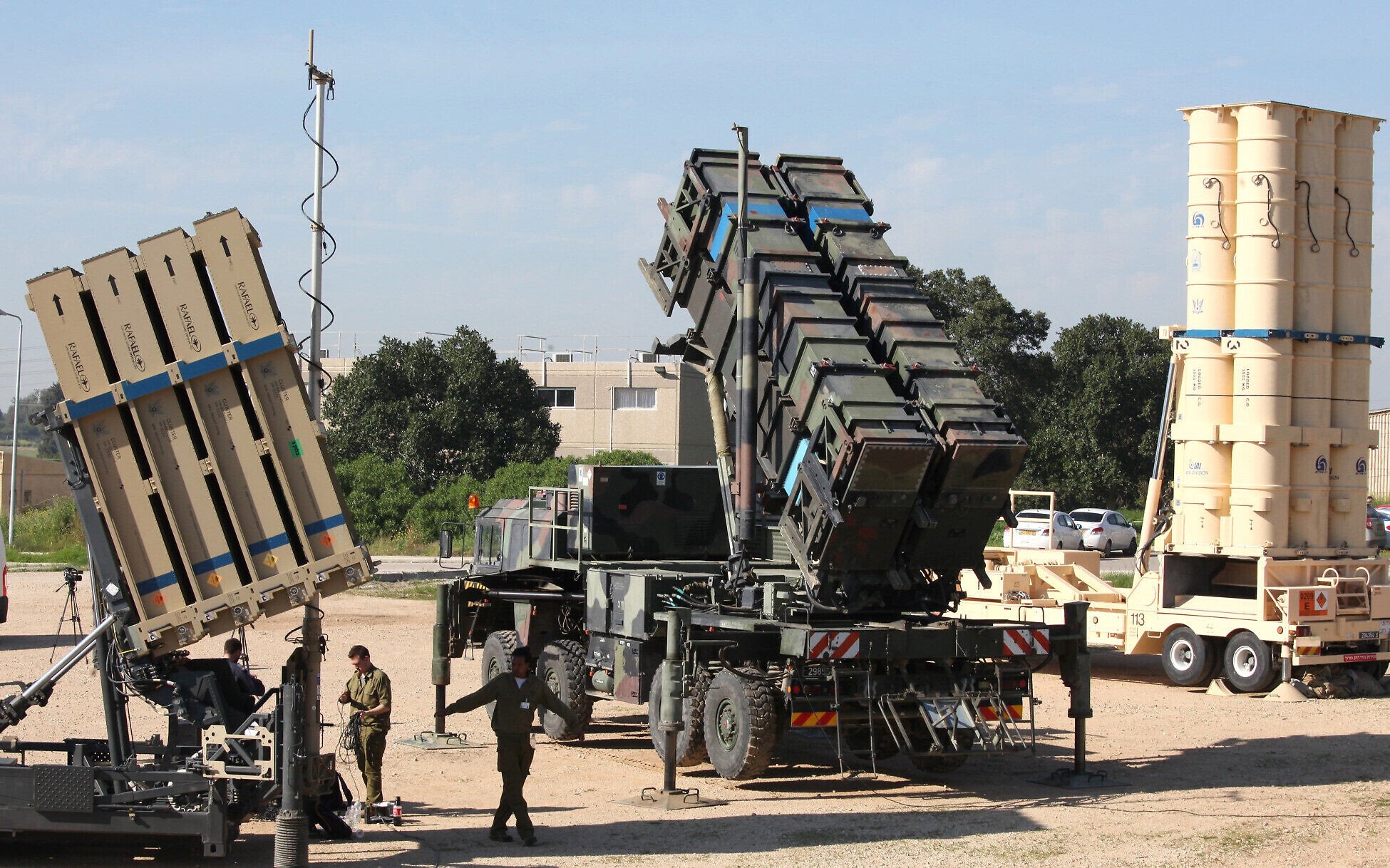
While the official announcement will confirm the Initial Operational Capability (IOC), the full integration of the multi-billion-dollar system will continue into the following years. The Arrow 3 battery will complement Germany’s existing shorter-range air defense systems, such as the Patriot and IRIS-T, creating a comprehensive, multi-layered shield. This deployment is more than just a military acquisition; it is a profound political statement of enhanced strategic cooperation between Berlin and Jerusalem, and a clear signal of Europe’s commitment to self-reliance in the face of evolving security challenges. The successful deployment of Arrow 3 is expected to encourage other ESSI member states to further invest in similar upper-tier defense technologies.