


Germany will require all 18-year-old men to undergo mandatory medical screening for military service starting January 1, 2026, as the ruling coalition pushes to expand the Bundeswehr to 260,000 active troops and 200,000 reservists amid rising NATO-Russia tensions. The SPD-CDU/CSU agreement marks the first step toward conscription since Angela Merkel scrapped it in 2011.
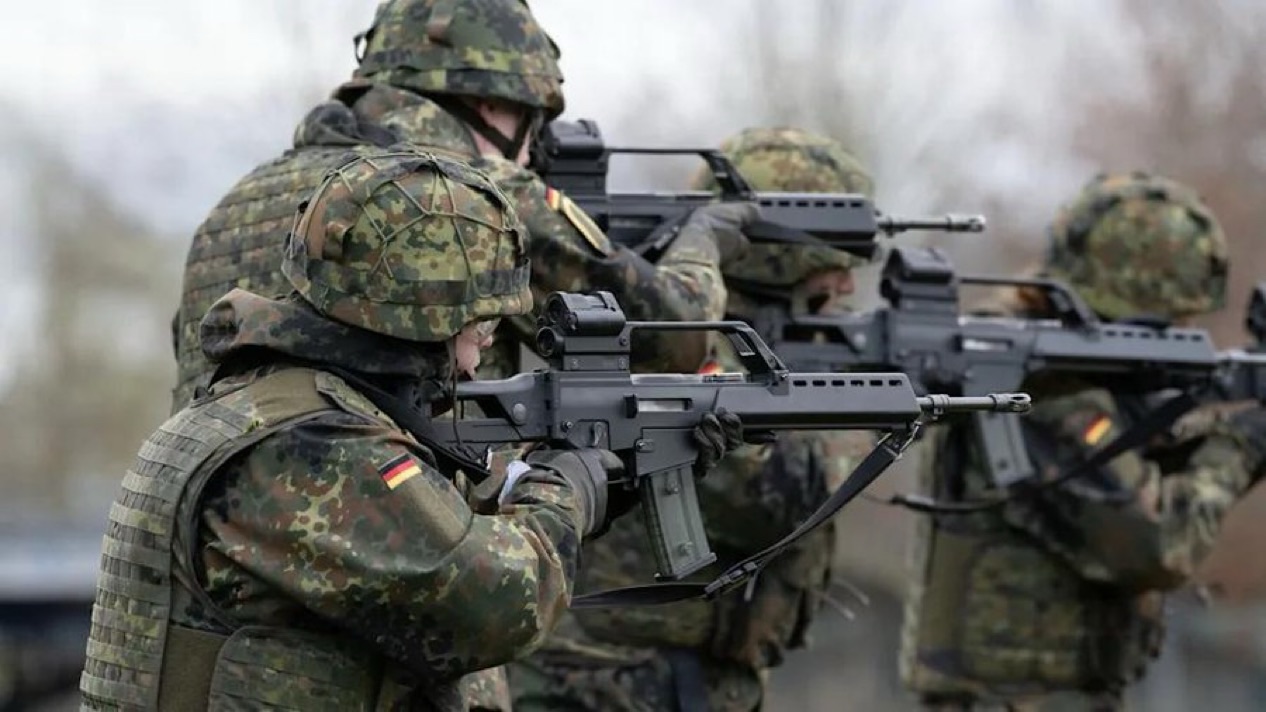
Under the new law, approximately 700,000 young men turning 18 will receive mandatory online questionnaires about health, fitness, and willingness to serve. From 2027, those deemed suitable must attend compulsory medical examinations. While military service will initially remain voluntary, the law creates a clear path to conscription if recruitment targets aren’t met.
Defense Minister Boris Pistorius emphasized that voluntary service is “the consensus” in the coalition, but the law includes provisions for compulsory conscription if demand exceeds volunteer numbers. The plan had initially included a draft lottery system, but this was scrapped in recent negotiations after criticism from coalition partners and military experts.
Women will receive questionnaires but are not obligated to respond or serve, though they can volunteer. The Defense Ministry aims to recruit at least 5,000 additional soldiers annually across all genders through this screening process.
Service duration is set at six months, with half dedicated to basic training. Volunteers receive €2,600 per month, while those signing contracts longer than one year gain “short-term contract soldier” status with pay equivalent to professional troops. This pay structure aims to make military service attractive amid a competitive labor market.
Germany currently fields only 182,000 soldiers, far below the 460,000 target needed for NATO commitments by 2035. Military historian Sönke Neitzel warned the voluntary approach would take 60 years to reach Cold War levels, calling the plan “another document of hesitation.”
The law will be introduced to parliament for a vote by year’s end. If approved, compulsory conscription could begin by July 2027 for men born in 2008 or later, though the government hopes to avoid this by making voluntary service sufficiently attractive.
The move reflects Germany’s strategic pivot as Russia’s war in Ukraine continues. Chancellor Olaf Scholz’s government has committed to meeting NATO’s 2% GDP defense spending target and rebuilding capabilities after decades of underinvestment. The conscription reform is central to these efforts, ensuring a steady stream of personnel for Europe’s largest economy.
Exemption criteria will include those with siblings already in service, police officers, conscientious objectors, and individuals in critical civilian roles. Only after exhausting these categories would any selection procedure be used as a last resort.
The agreement represents a compromise between coalition partners, with CDU/CSU pushing for binding personnel targets and SPD emphasizing voluntary service. As Russia’s threat looms, Germany is abandoning its post-Cold War pacifism for a more muscular defense posture.