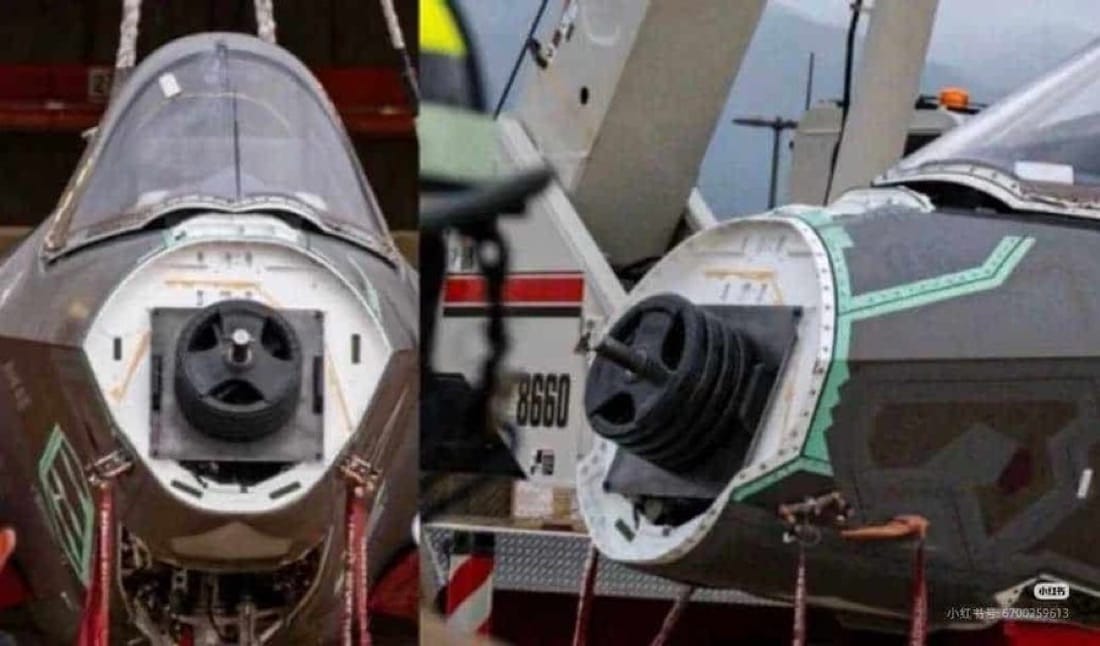

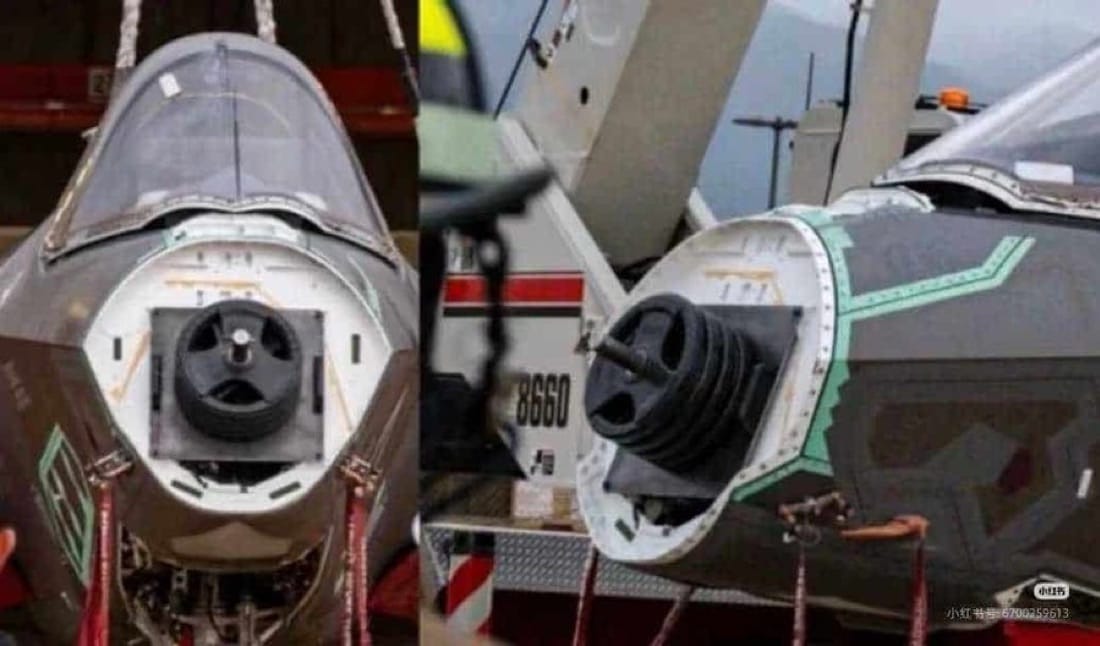
The U.S. military has begun accepting new F-35 Lightning II stealth fighters that are missing their most critical sensor: the radar. Since June 2025, production batches of the world’s most advanced jet have been rolling off the assembly line at Fort Worth with a simple ballast weight installed in the nose cone to keep the aircraft balanced, a stop-gap measure necessitated by chronic delays in the next-generation AN/APG-85 radar system.
The “Incompatibility” Trap
The issue is a result of a physical “lock-in” designed into the latest production models, known as Lot 17. These aircraft were structurally modified to accommodate the upcoming AN/APG-85, a high-power gallium nitride (GaN) radar that is the cornerstone of the Block 4 and Technology Refresh 3 (TR-3) upgrades.
Because the new radar requires significantly different mounting structures, power draws, and cooling systems, the jets are now physically incompatible with the older AN/APG-81 radar used in previous models. With the AN/APG-85 mired in development hurdles—primarily related to its extreme cooling requirements—Lockheed Martin opted to deliver the airframes with empty nose pods filled with lead ballast rather than halt the production line.
Operational “Workarounds”
Defense officials, including Representative Rob Wittman (R-VA), have characterized the situation as a major challenge for fleet readiness. While the “radar-less” jets can fly and perform basic training maneuvers, they are essentially “blind” in a combat environment.
The current tactical workaround involves “tethering” these aircraft to fully equipped F-35s via high-speed data links. In this configuration, a radar-equipped wingman shares its sensor data with the radar-less jet, allowing it to “see” and target threats. While functional for peacetime drills, analysts warn this is a brittle solution for a high-intensity conflict against peer adversaries like Russia or China.
The 2028 Horizon
The AN/APG-85 was originally slated for 2025, but integration has now slipped to Lot 20, with full fielding not expected until 2028. Lockheed Martin CEO Jim Taiclet has reportedly proposed a further redesign of the forward fuselage to allow future jets to swap between radar types—a costly admission that the program’s “all-in” bet on the new sensor has backfired.
Notably, export versions of the F-35 for international partners remain unaffected, as they continue to use the proven AN/APG-81 system. For the U.S. Air Force, Navy, and Marine Corps, however, the delivery of 191 jets in 2025—a record-breaking year—is a bittersweet milestone, as many of these “fifth-generation” fighters lack the very eyes that define their dominance.