
EGB Fallschirmjäger: Germany’s Elite Paratrooper Force Analysis
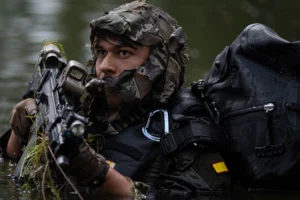
Germany’s Airborne Elite
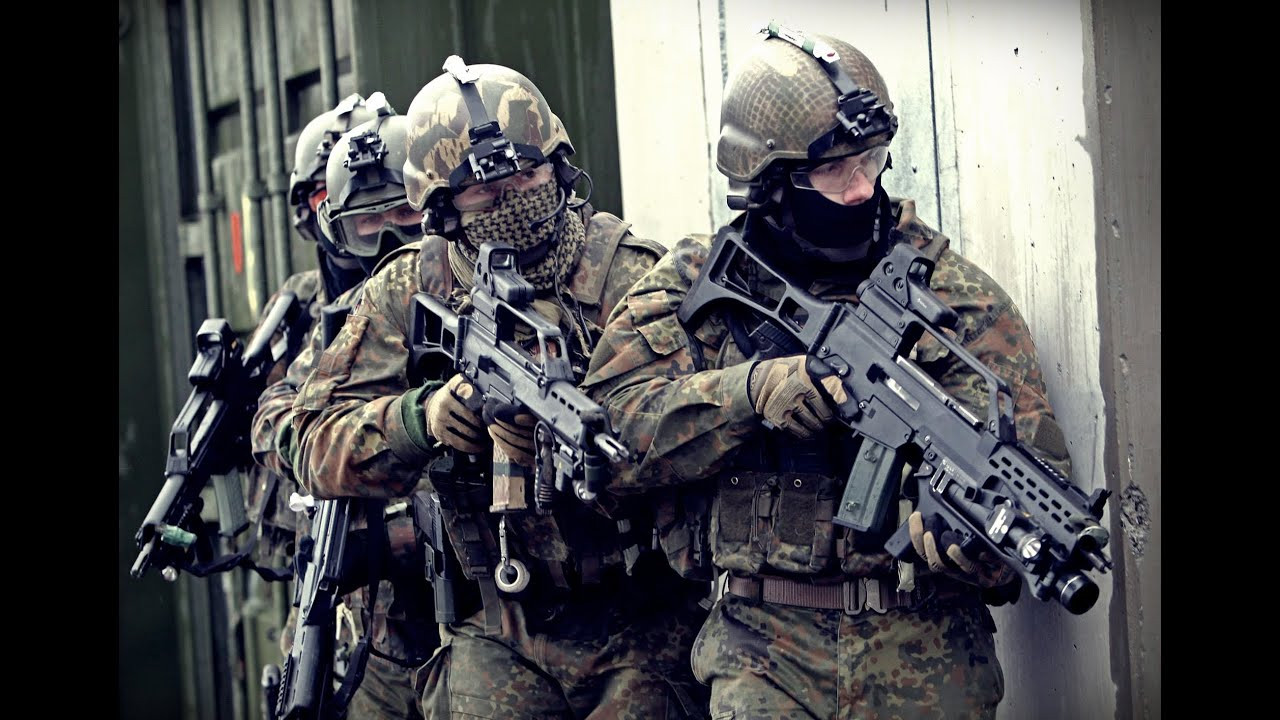
Within the organizational structure of the Bundeswehr, Germany’s armed forces, the Erweiterte Grundbefähigung Fallschirmjäger occupy a unique position as highly trained airborne infantry capable of rapid deployment and sustained operations in hostile environments with minimal external support. The EGB qualification—literally translating to “Extended Basic Qualification”—represents an advanced level of military proficiency that distinguishes these paratroopers from conventional infantry forces and positions them among Europe’s most capable light infantry units.
The EGB Fallschirmjäger should not be confused with Germany’s tier-one special forces units such as the Kommando Spezialkräfte (KSK), which focus on counterterrorism, direct action, and strategic reconnaissance missions. Rather, the EGB-qualified paratroopers function as elite conventional forces—exceptionally well-trained infantry soldiers capable of conducting operations that exceed standard military unit capabilities while maintaining the force structure and command relationships of regular military formations. This positioning makes them invaluable for operations requiring more capability than conventional forces provide but not necessitating the specialized skillsets and force protection considerations that accompany tier-one special operations deployment.
The historical lineage of German airborne forces extends back to World War II, when Fallschirmjäger units conducted operations including the dramatic airborne assault on Crete and defensive actions throughout the European theater. However, the modern EGB Fallschirmjäger represent a complete philosophical and operational departure from their historical predecessors. Today’s force operates within strict adherence to international humanitarian law, democratic civilian control, and NATO operational standards—a transformation reflecting Germany’s post-war evolution and integration into Western security architecture.
Historical Context and Post-War Evolution
The reconstitution of German military forces following World War II occurred under carefully controlled conditions designed to ensure democratic oversight and prevent the resurgence of militarism that had characterized previous German military traditions. The Bundeswehr, established in 1955, developed within the framework of NATO membership and under constitutional restrictions that initially limited its operational scope to territorial defense within defined geographic boundaries.
German airborne forces reemerged gradually within this constrained security environment. The initial focus centered on territorial defense and NATO collective security obligations during the Cold War, with airborne units training for rapid deployment to reinforce NATO’s Central Front against potential Warsaw Pact aggression. These early Fallschirmjäger units maintained respectable capability but operated under operational restrictions and force structure limitations that prevented development of truly elite airborne formations comparable to American or British counterparts.
The end of the Cold War and German reunification in 1990 fundamentally transformed the strategic environment and necessitated comprehensive Bundeswehr restructuring. The disappearance of the massive conventional threat along Germany’s eastern border, combined with emerging requirements for international crisis response and peacekeeping operations, demanded more flexible, deployable forces capable of operating far from German territory. This strategic shift created conditions for development of more capable, specialized units including the enhanced training standards that produced the EGB qualification.
Throughout the 1990s and into the twenty-first century, German military forces increasingly deployed to international operations including peacekeeping in the Balkans, counterinsurgency operations in Afghanistan, training missions in Mali, and various other commitments across multiple theaters. These operational deployments revealed capability gaps in conventional forces and drove development of enhanced training programs to produce soldiers better prepared for complex, ambiguous operational environments far from traditional military support infrastructure.
The EGB qualification emerged from this requirement for enhanced capability. Building upon the existing Fallschirmjäger training foundation, the EGB program creates soldiers with advanced skills in reconnaissance, survival, navigation, and independent small-unit operations. This qualification does not transform paratroopers into special forces operators, but rather produces exceptionally capable infantry soldiers able to operate effectively under challenging conditions with reduced external support—a capability profile ideally suited to expeditionary operations and crisis response missions that increasingly dominate contemporary military requirements.
Selection Process and Candidate Requirements
Becoming an EGB-qualified Fallschirmjäger requires successfully navigating one of the Bundeswehr’s most demanding selection and training pipelines, with attrition rates approaching 50 percent or higher depending on course iteration and candidate quality. The process begins long before candidates arrive at EGB selection, as initial entry into Fallschirmjäger units itself requires meeting stringent standards that exceed conventional infantry requirements.
Prospective paratroopers must first complete basic military training common to all Bundeswehr soldiers, followed by advanced infantry training that develops fundamental combat skills. Candidates then face basic paratrooper qualification, which includes ground training, tower training, and ultimately successful completion of required parachute jumps from military aircraft. This initial Fallschirmjäger qualification already produces soldiers more capable than standard infantry, with enhanced physical fitness, mental resilience, and tactical proficiency.
However, basic paratrooper qualification represents merely the foundation for pursuing EGB status. Candidates for EGB selection typically require several years of service within Fallschirmjäger units, demonstrating consistent high performance, leadership potential, and the physical and psychological attributes necessary for more demanding training. Unit commanders carefully evaluate potential candidates, as unsuccessful EGB attempts reflect poorly on both the individual soldier and the command that recommended them for selection.
The formal EGB selection process tests candidates across multiple dimensions. Physical fitness assessments exceed already-demanding Fallschirmjäger standards, with endurance runs, weighted marches, obstacle courses, and aquatic challenges designed to identify individuals possessing exceptional stamina, strength, and pain tolerance. These physical tests occur under time pressure and often in adverse weather conditions, as instructors seek candidates who maintain performance when exhausted, uncomfortable, and stressed.
Psychological resilience receives equal emphasis. Candidates face scenarios designed to induce stress, confusion, and frustration—sleep deprivation, time pressure, ambiguous instructions, and physical discomfort combine to create conditions where soldiers must continue thinking clearly and executing missions despite overwhelming desire to quit. Instructors evaluate not merely task completion but rather the manner in which candidates approach problems, their decision-making under pressure, and their ability to maintain composure when circumstances become chaotic.
Leadership assessment permeates the selection process. Candidates rotate through leadership positions during exercises, with instructors evaluating their ability to plan operations, brief subordinates, make decisions under pressure, and maintain unit cohesion when missions become difficult. The assessment examines not authoritarian command but rather adaptive leadership that inspires confidence and extracts maximum performance from teammates facing exhaustion and adversity.
Technical and tactical proficiency undergoes continuous evaluation. Candidates must demonstrate advanced marksmanship with service weapons, proficiency in demolitions and explosives handling, medical skills sufficient for treating combat casualties in austere environments, and navigation capability enabling movement through unfamiliar terrain without technological aids. These skills receive testing individually and in combination during complex scenarios requiring simultaneous application of multiple competencies.
Training Curriculum and Skill Development
Candidates who successfully navigate selection proceed to the EGB training curriculum, an intensive program spanning multiple months and covering competencies far exceeding standard infantry training. The curriculum emphasizes small-unit tactics, autonomous operations, and the specialized skills necessary for conducting missions without the logistical support and command structure that conventional forces require.
Advanced reconnaissance training forms a core EGB competency. Candidates learn long-range surveillance techniques, enabling them to infiltrate behind enemy lines, establish concealed observation positions, and gather intelligence while avoiding detection. This training encompasses camouflage and concealment principles, long-range observation using optical equipment, target identification and assessment, and secure communication methods for transmitting intelligence to supported commanders. Students practice these skills during field exercises lasting multiple days, where they must remain undetected while observing targets despite enemy forces actively searching for their positions.
Survival and evasion training prepares EGB paratroopers for operating in hostile territory with limited supplies and the constant threat of capture. Instruction covers wilderness survival techniques including shelter construction, water procurement, fire-starting methods, and edible plant identification. Students learn evasion tactics for avoiding enemy forces when operating behind enemy lines, including navigation without technological aids, establishing clandestine movement corridors, and resistance to interrogation techniques should capture occur. Field exercises subject candidates to realistic evasion scenarios, with opposing forces hunting them while they attempt to reach extraction points using only map, compass, and training.
Urban operations receive extensive attention given contemporary conflicts’ predominantly urban character. Training addresses building entry techniques, room clearing procedures, vertical movement through multi-story structures, and navigation through complex urban terrain. Students learn to identify structural weaknesses, exploit covered approaches, and clear enemy-held buildings while minimizing exposure to defensive fires. This training includes live-fire exercises in shoothouses and urban training facilities, where students must make split-second decisions about engaging threats while distinguishing combatants from civilians in chaotic, close-quarters environments.
Advanced weapons training extends beyond basic marksmanship to include specialized weapon systems and employment techniques. Students achieve proficiency with crew-served weapons including machine guns and anti-tank systems, enabling small units to deliver firepower disproportionate to their size. Training encompasses unconventional shooting positions, firing from vehicles, night vision equipment employment, and laser designation of targets for precision-guided munitions. Students also receive instruction in foreign weapon systems they might encounter or employ during operations in diverse theaters.
Demolitions and explosives training provides capability for obstacle breaching, infrastructure destruction, and improvised explosive device defeat. Instruction covers military explosive types, detonation methods, charge calculation for various target types, and safety protocols for handling hazardous materials. Students practice breaching obstacles including doors, walls, and fortifications using precisely calculated explosive charges. They also learn counter-IED techniques including recognition of emplacement indicators, render-safe procedures, and route clearance operations—critical skills given IED prevalence in contemporary conflicts.
Medical training qualifies EGB paratroopers to provide advanced trauma care in combat environments where evacuation may be delayed or impossible. Instruction exceeds standard combat lifesaver courses, covering airway management, hemorrhage control, shock treatment, and stabilization of various trauma injuries. Students practice these skills during realistic scenarios featuring simulated casualties with complex injuries, time pressure, limited medical supplies, and tactical situations requiring simultaneous casualty treatment and force protection. This training ensures small units can sustain casualties and continue operations without immediate medical evacuation.
Organizational Structure and Integration
EGB-qualified soldiers serve primarily within the Fallschirmjäger Regiment 26, though EGB personnel deploy across various Bundeswehr units requiring their specialized capabilities. The regiment itself forms part of the Division Schnelle Kräfte (Rapid Forces Division), which consolidates Germany’s most deployable and capable units for rapid reaction and expeditionary operations. This organizational structure reflects German military emphasis on maintaining high-readiness forces available for immediate deployment to crisis situations.
Within their parent units, EGB-qualified soldiers typically occupy team leader and squad leader positions, where their enhanced training and capabilities directly improve unit effectiveness. Their presence elevates entire units’ operational capability, as their advanced skills in reconnaissance, navigation, and small-unit tactics enable more complex operations than conventional infantry could attempt. Additionally, their experience and proven performance under demanding selection and training provide credibility when leading subordinates through difficult operational challenges.
The integration of EGB-qualified personnel throughout Fallschirmjäger units rather than consolidating them into separate formations reflects deliberate organizational philosophy. This distribution ensures enhanced capability remains available across the paratrooper force rather than concentrated in limited specialized units. It also facilitates knowledge transfer, as EGB-qualified soldiers share skills and techniques with less experienced unit members, gradually elevating overall force capability.
However, this organizational approach also enables concentration of EGB personnel for specific missions requiring enhanced capabilities. Commanders can assemble ad-hoc teams or task forces composed primarily or exclusively of EGB-qualified soldiers for operations exceeding conventional unit capabilities. This flexibility allows tailoring force composition to specific mission requirements rather than employing one-size-fits-all organizational structures.
Operational Capabilities and Mission Profiles
The EGB Fallschirmjäger’s specialized training enables mission profiles spanning conventional combat operations, stability operations, crisis response, and limited special operations tasks when tier-one units are unavailable or inappropriate for specific situations. This operational versatility makes them valuable assets for commanders facing diverse challenges across the contemporary operational spectrum.
Long-range reconnaissance represents a core EGB mission profile. Small teams infiltrate deep into hostile territory via parachute insertion, helicopter insertion, or ground infiltration, establishing clandestine observation posts overlooking key terrain, enemy positions, or lines of communication. These teams remain concealed for extended periods, reporting enemy movements, dispositions, and activities while avoiding detection. The intelligence these operations generate proves invaluable for planning follow-on operations, providing commanders current, detailed information about enemy forces that technical collection systems cannot provide.
Direct action missions against high-value targets fall within EGB capability parameters when circumstances permit. Small teams can conduct raids against enemy facilities, ambushes against enemy formations, or attacks against critical infrastructure when such operations fit within the EGB capability envelope and risk tolerance. These missions require careful planning, precise execution, and rapid extraction, as small EGB teams lack the combat power for sustained engagement against numerically superior enemies. However, the element of surprise and precise application of violence can achieve effects disproportionate to the forces employed.
Personnel recovery operations represent another mission profile suited to EGB capabilities. When friendly personnel become isolated behind enemy lines—whether aircrew from downed aircraft, reconnaissance teams cut off from friendly forces, or other isolated friendly elements—EGB teams can infiltrate into hostile territory, locate isolated personnel, and extract them to safety. These missions demand advanced navigation skills, tactical proficiency, and the ability to evade enemy forces while escorting potentially injured personnel through hostile territory.
Security force assistance missions leverage EGB expertise to train and advise partner nation forces. EGB-qualified soldiers deploy to countries throughout Africa, the Middle East, and elsewhere, where they train local military units in basic and advanced infantry skills. Their operational experience, tactical proficiency, and problem-solving abilities make them effective trainers who can adapt instruction to local conditions and capabilities. These missions advance German security interests by building partner nation capacity while avoiding direct German combat involvement.
Hostage rescue and crisis response operations may require EGB capabilities when situations exceed conventional force capabilities but do not justify deploying tier-one counterterrorism units. While EGB paratroopers lack the specialized training and equipment of dedicated hostage rescue forces, they maintain sufficient tactical proficiency and operational capability to conduct forced entry and hostage recovery operations in permissive or semi-permissive environments where sophisticated terrorist defenses are unlikely.
Humanitarian assistance and disaster relief operations benefit from EGB capabilities when natural disasters, humanitarian crises, or similar emergencies occur in remote, austere, or security-challenged environments. EGB teams can deploy rapidly with minimal external support, establish presence in disaster-affected areas, conduct needs assessments, coordinate relief efforts, and provide security when local authorities cannot maintain order. Their survival skills, medical training, and ability to operate independently prove valuable when supporting civilian humanitarian organizations in challenging environments.
Equipment and Capabilities
EGB Fallschirmjäger employ standard Bundeswehr equipment and weapons systems, though they may receive priority access to newer systems, advanced optics, and specialized equipment suited to their operational requirements. The primary service rifle is the Heckler & Koch HK416, a gas-piston-operated variant of the M4/AR-15 platform offering improved reliability and reduced maintenance requirements compared to direct impingement designs. The HK416 chambers the 5.56x45mm NATO cartridge, providing compatibility with alliance ammunition stocks and acceptable performance across most operational ranges.
For longer-range engagements requiring greater precision or penetration, designated marksman rifles including the HK417 extend unit capabilities. This weapon chambers the 7.62x51mm NATO cartridge, delivering enhanced range, accuracy, and terminal performance compared to standard rifles. Each squad typically includes at least one designated marksman equipped with enhanced optics and training for engaging targets beyond standard rifle effective ranges.
Machine guns provide squad and platoon-level suppressive firepower, with the MG5 serving as the current general-purpose machine gun. This weapon chambers the 7.62x51mm NATO cartridge, offering sustained firepower for suppressing enemy positions or engaging targets at extended ranges. The MG5 can be employed from bipod for squad-level suppression or from tripod for platoon or company defensive fires, providing flexibility across tactical situations.
Anti-tank capabilities include the Panzerfaust 3, a recoilless rifle system effective against armored vehicles, fortifications, and other hardened targets. This reusable launcher fires various warhead types including tandem-charge shaped charges for defeating reactive armor, anti-personnel rounds for engaging troops in buildings or fortifications, and other specialized munitions. The Panzerfaust 3 provides small units capability to engage targets that would otherwise require artillery or air support.
Communication equipment enables secure voice and data transmission across tactical, operational, and strategic distances. Tactical radios provide squad and platoon communications, while long-range systems enable communication with higher headquarters and supporting elements. EGB teams operating independently carry satellite communication systems ensuring connectivity regardless of distance from conventional communication infrastructure.
Navigation equipment includes GPS receivers for precise positioning and digital mapping systems, though EGB training emphasizes map and compass navigation ensuring capability persists when technology fails or enemy electronic warfare degrades satellite navigation. Night vision devices including image intensification and thermal imaging systems enable operations under limited visibility conditions, providing significant tactical advantage over adversaries lacking similar capabilities.
Parachute systems include both static-line parachutes for mass tactical jumps from transport aircraft and ram-air parachutes for high-altitude low-opening or high-altitude high-opening insertions requiring precise landing accuracy. Static-line jumps enable rapid deployment of entire units, while ram-air systems allow small teams to infiltrate covertly, gliding dozens of kilometers from release points to landing zones while maintaining canopy control and landing precision.
International Operations and NATO Integration
The EGB Fallschirmjäger have deployed extensively to international operations since their capability development, participating in NATO, EU, and UN missions across multiple theaters. These deployments provide operational experience while demonstrating German commitment to international security and alliance obligations. The operational lessons learned from these deployments continuously inform training programs and capability development priorities.
Afghanistan represented the most significant and sustained EGB operational deployment, with German forces maintaining presence in that country from 2001 through final withdrawal in 2021. Fallschirmjäger units including EGB-qualified personnel deployed repeatedly to northern Afghanistan, conducting counterinsurgency operations, training Afghan security forces, and providing security for reconstruction efforts. These deployments subjected EGB soldiers to combat conditions including improvised explosive devices, small arms ambushes, and complex attacks against fortified positions.
The Afghanistan experience proved formative for EGB capability development. The harsh terrain, austere operating conditions, and adaptive enemy tactics tested soldier training and equipment under realistic combat conditions. Lessons learned regarding counter-IED operations, village stability operations, and coordination with Afghan security forces informed subsequent training modifications. The operational tempo, with units deploying for six-month rotations followed by recovery periods before subsequent deployments, stressed both personnel and equipment while demonstrating sustained operational capability.
Mali represents another significant EGB operational environment, where German forces support UN peacekeeping operations and EU training missions assisting Malian security forces against jihadist insurgencies. The challenging Sahelian environment—characterized by extreme heat, vast distances, limited infrastructure, and security threats ranging from conventional military forces to terrorist groups and criminal organizations—tests EGB capabilities differently than Afghanistan but equally thoroughly.
Participation in NATO exercises and operations ensures interoperability with alliance partners and maintains readiness for collective defense missions. EGB units regularly participate in major NATO exercises including those testing alliance response to Article 5 contingencies. These exercises provide opportunities to train alongside American, British, French, and other allied special operations and airborne forces, sharing tactics and techniques while building relationships that prove valuable during actual operations.
Enhanced Forward Presence in the Baltic states places German forces including EGB-qualified personnel on NATO’s eastern flank as part of alliance deterrence posture following Russia’s 2014 annexation of Crimea and subsequent aggression against Ukraine. This deployment maintains visible allied commitment to Baltic security while providing EGB soldiers opportunities to train in environments and conditions relevant to potential high-intensity conventional warfare scenarios.
Geopolitical Significance and Strategic Value
The EGB Fallschirmjäger occupy unique strategic space within German defense policy and NATO force structure. Their capabilities exceed conventional forces while remaining below special operations threshold, enabling employment in situations where deploying tier-one special forces would be operationally inappropriate or politically problematic. This middle-tier positioning provides German government flexible options for responding to crises without the symbolic weight and force protection concerns that accompany special forces deployment.
Within NATO, German contributions of high-quality, deployable forces enhance alliance cohesion and burden-sharing. The EGB Fallschirmjäger can integrate seamlessly into multinational formations, having trained extensively with American, British, French, and other allied forces. Their presence in joint operations provides Germany credibility in alliance councils while demonstrating German commitment to collective defense beyond merely financial contributions.
For the European Union, German military capabilities including the EGB Fallschirmjäger represent critical components of European strategic autonomy aspirations. As EU member states contemplate security arrangements less dependent on American military dominance, high-quality European forces become essential. German willingness to develop and deploy capable forces encourages other European nations to maintain or enhance their military investments rather than allowing continued defense spending decline.
The EGB Fallschirmjäger also serve domestic political purposes within Germany. Public support for military forces remains more conditional in Germany than some allied nations given twentieth-century history. Demonstrating professional, capable, ethically grounded military forces operating under strict civilian control and international legal constraints helps maintain public trust in armed forces and political support for defense spending. International deployments emphasizing humanitarian assistance, peacekeeping, and training missions aligned with EGB capabilities prove more politically sustainable than high-intensity combat operations.
Training Philosophy and Ethical Framework
The EGB training philosophy emphasizes not merely technical proficiency and physical capability but also ethical decision-making and strict adherence to international humanitarian law. This emphasis distinguishes modern German military training from historical precedents and reflects constitutional provisions and political imperatives governing Bundeswehr operations. Instructors continuously stress that tactical proficiency without ethical grounding produces dangerous soldiers rather than professional warriors.
Rules of engagement and law of armed conflict receive extensive instruction throughout EGB training. Students study Geneva Conventions provisions, principles of proportionality and distinction, and restrictions on targeting and means of warfare. Scenarios include ambiguous situations requiring soldiers to make rapid decisions about applying lethal force while distinguishing combatants from civilians, assessing proportionality when collateral damage risks exist, and determining whether specific actions comply with legal and ethical standards.
This ethical framework extends beyond mere legal compliance to encompass broader questions of professional military ethos and appropriate use of force. Training emphasizes that soldiers serve democratic society and remain subordinate to civilian authority. The power to employ violence carries profound moral weight requiring wisdom, restraint, and accountability. Instructors foster internalization of these principles rather than merely teaching legal rules, developing soldiers who instinctively consider ethical dimensions when making tactical decisions under pressure.
Challenges and Future Development
The EGB Fallschirmjäger face numerous challenges as warfare continues evolving and Germany navigates complex security environment. Technological change demands continuous adaptation as potential adversaries develop capabilities threatening traditional paratrooper operations. Near-peer competitors possess sophisticated air defense systems, counter-reconnaissance capabilities, and electronic warfare tools that can detect, track, and engage airborne forces during insertion or subsequent operations. These threats necessitate developing tactics and technologies enabling EGB operations despite contested environments.
Recruitment and retention challenges affect specialized forces including EGB units. The demanding selection and training standards naturally limit available personnel pools, while civilian economic opportunities attract capable individuals who might otherwise pursue military careers. Maintaining adequate EGB force structure requires effective recruiting emphasizing unique opportunities military service provides alongside competitive compensation packages acknowledging the skills and dedication these soldiers demonstrate.
The changing character of warfare toward gray zone operations, information warfare, and ambiguous conflicts below traditional armed conflict thresholds demands evolving EGB capabilities. Traditional paratrooper skills remain relevant, but contemporary operations increasingly require cultural awareness, language skills, technological proficiency, and understanding of complex operational environments where distinguishing enemies from neutrals proves extraordinarily difficult. Training programs must evolve to address these requirements while maintaining core tactical proficiency.
Conclusion: Elite Capability Within Democratic Framework
The Erweiterte Grundbefähigung Fallschirmjäger represent a distinctively German approach to developing elite military capability—forces distinguished by exceptional training, tactical proficiency, and operational flexibility, yet firmly grounded within democratic civilian control, international legal frameworks, and ethical military conduct principles. This combination of tactical excellence and principled employment distinguishes modern German military forces from historical precedents and aligns military capabilities with contemporary German political values.
As Germany continues navigating complex security environment characterized by resurgent great power competition, persistent terrorism threats, and unpredictable regional crises, the EGB Fallschirmjäger provide flexible, capable forces appropriate for responding to diverse challenges. Their ability to deploy rapidly, operate independently, and conduct missions across the operational spectrum makes them invaluable assets for political leadership requiring military options between conventional force employment and special operations deployment.
The EGB qualification itself—extending beyond basic paratrooper status to develop enhanced reconnaissance, survival, and autonomous operations capabilities—reflects recognition that contemporary security challenges demand more than conventional military responses. Creating soldiers capable of operating effectively in ambiguous, austere, and hostile environments without extensive external support provides commanders capabilities essential for modern operations far removed from traditional conventional warfare.
Looking forward, the EGB Fallschirmjäger will continue evolving as warfare changes and Germany’s strategic requirements develop. Maintaining their elite status demands continuous investment in selection, training, equipment, and operational experience. The institutional knowledge accumulated through decades of international deployments must be preserved and transmitted to new generations of paratroopers. And the delicate balance between tactical capability and ethical conduct must be maintained, ensuring these forces remain worthy of the public trust democratic society places in those empowered to employ organized violence in service of national interests.