
MQ-9 Reaper: Comprehensive MQ-9 Reaper Analysis
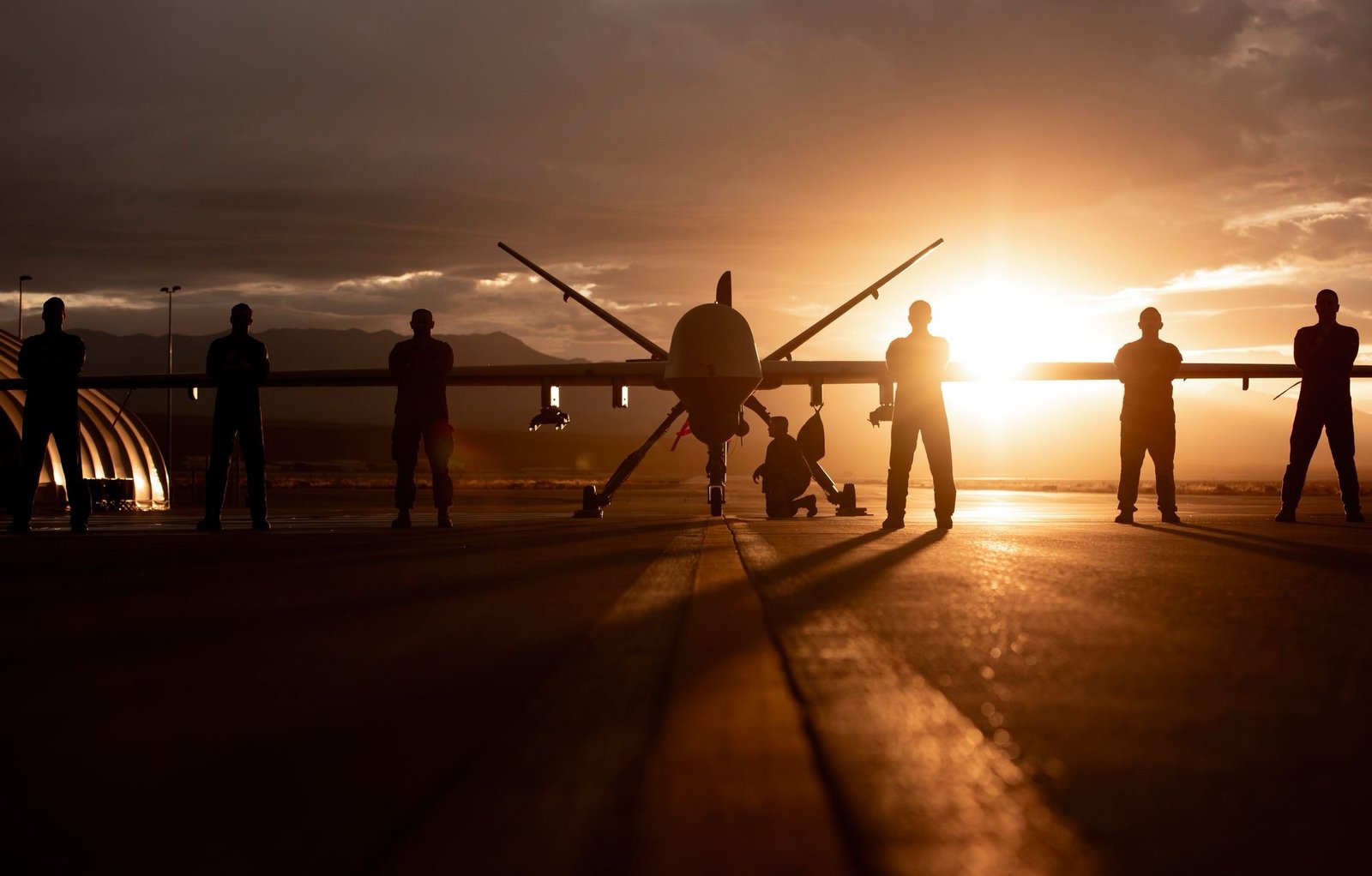
The General Atomics MQ-9 Reaper, a remotely piloted aircraft renowned for its “hunter-killer” capabilities, has become a defining symbol of modern warfare. Evolving from its reconnaissance-focused predecessor, the MQ-1 Predator, the Reaper has transformed the landscape of aerial combat with its unparalleled endurance, potent arsenal, and sophisticated surveillance technology. This comprehensive analysis delves into the development, capabilities, operational history, and the significant controversies surrounding this formidable unmanned aerial vehicle.
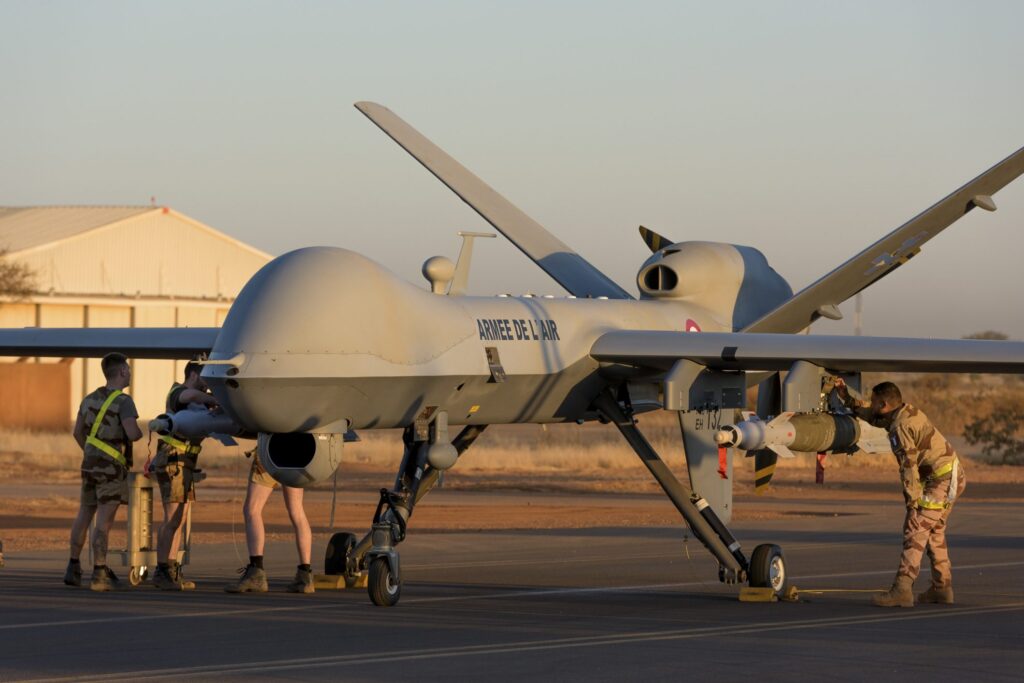
From Predator to Reaper: A Technological Leap – MQ-9 Reaper: Comprehensive MQ-9 Reaper Analysis
The genesis of the MQ-9 Reaper lies in the operational successes and limitations of the MQ-1 Predator during the 1990s. While the Predator proved its value in intelligence, surveillance, and reconnaissance (ISR), its limited payload and speed restricted its offensive capabilities. In response, General Atomics Aeronautical Systems initiated the development of a more robust and lethal platform.
The result was the “Predator B,” which first flew in 2001. This new aircraft was a significant departure from its predecessor, boasting a powerful Honeywell TPE331-10 turboprop engine that enabled it to fly faster, higher, and carry a much heavier payload. Officially designated the MQ-9 Reaper in 2006, the “M” signifies its multi-role capability, and the “Q” denotes it as a remotely piloted aircraft. The “9” indicates it as the ninth in the series of U.S. unmanned aircraft systems.
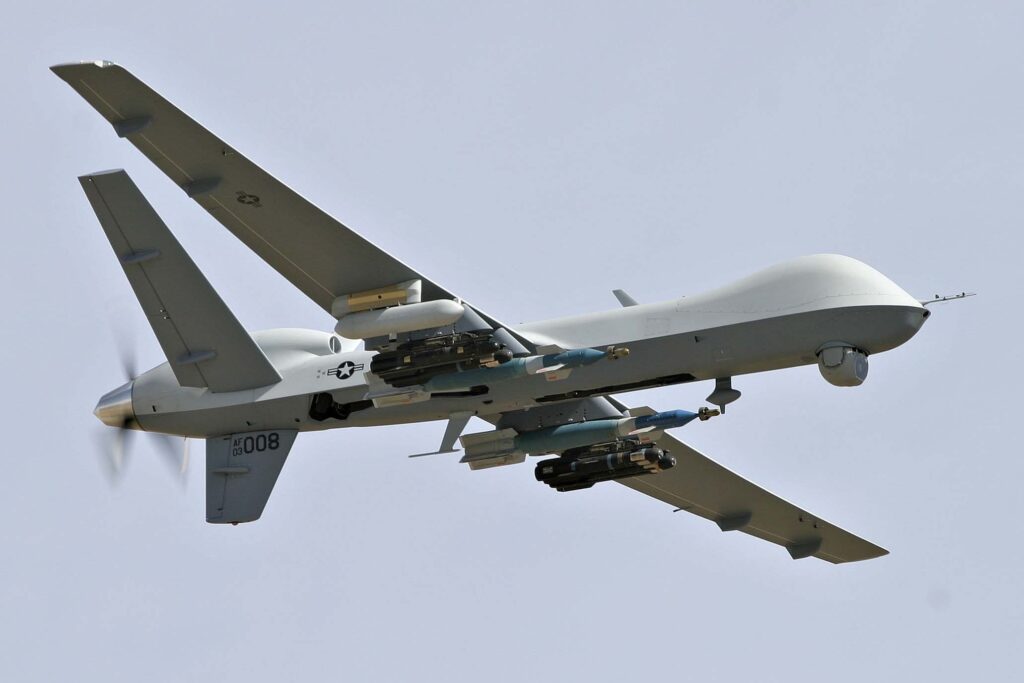
Unpacking the Reaper’s Arsenal and Advanced Technology
The MQ-9 Reaper’s formidable reputation stems from its impressive array of technical specifications and advanced capabilities.
Key Specifications:
- Engine: Honeywell TPE331-10 turboprop engine
- Wingspan: 66 feet (20 meters)
- Length: 36 feet (11 meters)
- Max Takeoff Weight: 10,500 pounds (4,760 kilograms)
- Payload Capacity: 3,750 pounds (1,701 kilograms)
- Ceiling: Up to 50,000 feet (15,240 meters)
- Endurance: Over 27 hours
- Speed: Cruise speed of approximately 230 mph (370 kph)
Surveillance and Targeting: The Reaper’s advanced sensor suite is central to its mission effectiveness. The Multi-Spectral Targeting System (MTS-B) integrates a suite of visual sensors, including an infrared sensor, color/monochrome daylight TV camera, and a short-wave infrared camera. This system allows operators to identify and track targets with remarkable clarity from significant distances. The AN/APY-8 Lynx II synthetic aperture radar provides high-resolution, all-weather ground mapping.
Armament: The MQ-9’s ability to carry a significant ordnance load distinguishes it as a “hunter-killer.” Its seven hardpoints can be armed with a combination of:
- AGM-114 Hellfire missiles
- GBU-12 Paveway II laser-guided bombs
- GBU-38 Joint Direct Attack Munitions (JDAM)
- AIM-9X Sidewinder air-to-air missiles in some configurations
This diverse armament allows the Reaper to engage a wide range of targets, from individuals and vehicles to hardened structures.
A Global Footprint: Operational History and Notable Deployments
The MQ-9 Reaper has been a ubiquitous presence in numerous conflict zones since its introduction. Its long loiter time and precision strike capabilities have made it a preferred asset for counter-terrorism operations and persistent surveillance.
Afghanistan: The Reaper was extensively used in Afghanistan for intelligence gathering, overwatch for ground troops, and targeted strikes against insurgent groups. Its ability to remain airborne for extended periods provided crucial situational awareness to coalition forces.
Iraq and Syria: The MQ-9 played a pivotal role in the fight against ISIS in both Iraq and Syria. In the dense urban environments of cities like Mosul and Raqqa, the Reaper’s ability to conduct precise strikes with minimal collateral damage proved invaluable. It was instrumental in targeting high-value individuals, disrupting enemy operations, and providing close air support to allied ground forces. One of its most high-profile missions was the 2015 strike that killed Mohammed Emwazi, also known as “Jihadi John.”
MQ-9 Reaper: Comprehensive MQ-9 Reaper Analysis:
Yemen and Somalia: The Reaper has been a key tool in U.S. counter-terrorism efforts in Yemen and Somalia, targeting al-Qaeda in the Arabian Peninsula (AQAP) and al-Shabaab militants. These operations have highlighted the platform’s ability to conduct strikes in remote and often inaccessible areas.
The Assassination of Qassem Soleimani: In January 2020, an MQ-9 Reaper conducted the high-profile strike that killed Iranian General Qassem Soleimani in Baghdad, Iraq. This event underscored the strategic impact and political ramifications of the Reaper’s capabilities.
International Operators: A Growing Drone Alliance
Beyond the United States, a growing number of nations have acquired the MQ-9 Reaper and its variants for their own defense and security needs. Key international operators include:
- United Kingdom: The Royal Air Force has been a long-time operator of the Reaper, utilizing it in Afghanistan and against ISIS. They are now transitioning to the newer MQ-9B Protector.
- France: The French Air and Space Force operates Reapers for ISR and strike missions, particularly in the Sahel region of Africa.
- Italy: The Italian Air Force has employed the Reaper for surveillance and reconnaissance missions.
- Spain: The Spanish Air Force utilizes the Reaper for ISR missions.
- Netherlands: The Royal Netherlands Air Force has acquired the MQ-9A Block 5 for ISR and potential strike roles.
- India: India has leased MQ-9B SeaGuardians for maritime surveillance and is in the process of acquiring a significant number of armed MQ-9B SkyGuardians.
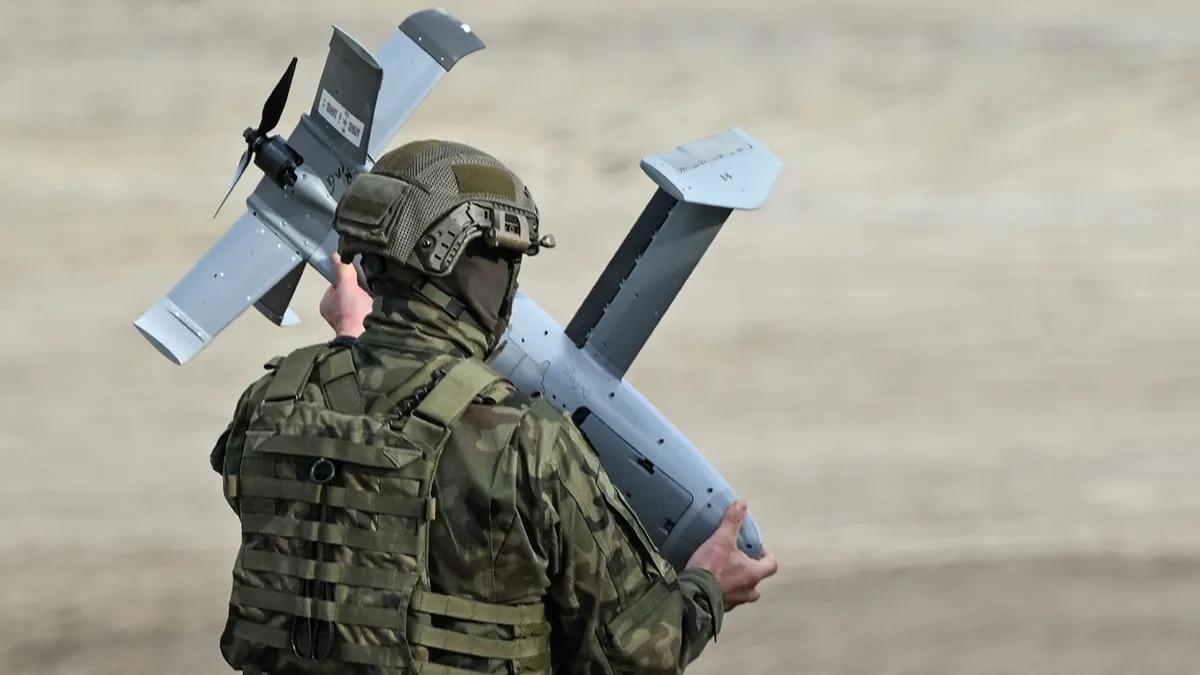
Other operators include the Dominican Republic and Poland, with several other nations expressing strong interest in acquiring the platform.
The Shadow of Controversy: Ethical and Legal Debates
The widespread use of the MQ-9 Reaper has been accompanied by significant controversy and criticism, primarily centered on civilian casualties and the legal and ethical implications of targeted killings.
Civilian Casualties: Despite its precision-strike capabilities, the use of the Reaper has resulted in the unintentional deaths of civilians. Organizations like Airwars and the Bureau of Investigative Journalism have documented numerous credible reports of non-combatant casualties in countries like Yemen, Somalia, and Syria. These incidents have raised serious questions about the accuracy of intelligence, the accountability for mistaken strikes, and the long-term psychological impact on affected communities.
Legal and Ethical Concerns: The practice of “targeted killing” outside of declared battlefields has been a subject of intense legal and ethical debate. Critics argue that these strikes can amount to extrajudicial killings, violating international law and national sovereignty. The lack of transparency surrounding the targeting process and the legal justifications for strikes have also drawn criticism from human rights organizations and legal scholars. The psychological toll on the remote pilots, who are physically distant from the battlefield but intimately involved in life-and-death decisions, is another area of growing concern.
Vulnerabilities and the Evolving Threat Landscape
While the MQ-9 Reaper has proven highly effective in uncontested airspace, its vulnerabilities are becoming increasingly apparent in more contested environments. Its relatively slow speed and lack of stealth capabilities make it susceptible to modern air defense systems.
Recent conflicts have demonstrated the growing threat to platforms like the Reaper. Houthi forces in Yemen have claimed to have shot down several MQ-9s, highlighting the proliferation of capable anti-aircraft weaponry. The 2023 incident over the Black Sea, where a Russian Su-27 fighter jet damaged a U.S. MQ-9, further underscored the risks in operating near peer and near-peer adversaries.
In response to these evolving threats, the U.S. and other operators are investing in upgrades to enhance the Reaper’s survivability. These include improved electronic warfare suites, more advanced sensor packages, and the development of tactics to operate in more contested airspace. The newer MQ-9B variant also incorporates features designed for greater resilience and adaptability.
The Future of the Reaper and Unmanned Warfare
The MQ-9 Reaper has undeniably reshaped the contours of modern warfare, offering a potent combination of persistence, precision, and lethality. Its legacy, however, is a complex one, marked by both its tactical successes and the profound ethical and legal questions it has raised.
As the global security landscape continues to evolve, the role of unmanned systems like the Reaper will only expand. The focus is now on developing more autonomous, survivable, and networked platforms that can operate effectively in the face of sophisticated adversaries. The lessons learned from the operational deployment of the MQ-9 Reaper will undoubtedly inform the next generation of unmanned combat aerial vehicles, ensuring that the era of the “hunter-killer” drone is far from over.
follow us on : CIS Security / RAGE X