

In a major showcase of its rapidly advancing defense technology, China has unveiled two new directed-energy weapons designed to counter the growing threat of drone swarms. The new systems, identified as the OW5-A50 Laser HMV3 and the “Hurricane 3000” Microwave System, were displayed during recent military events and represent a significant shift from traditional missile and gun-based air defense. These weapons are designed to disable or destroy dozens of drones in mid-air with a single blast of pure energy, without the need for ammunition or reloading.
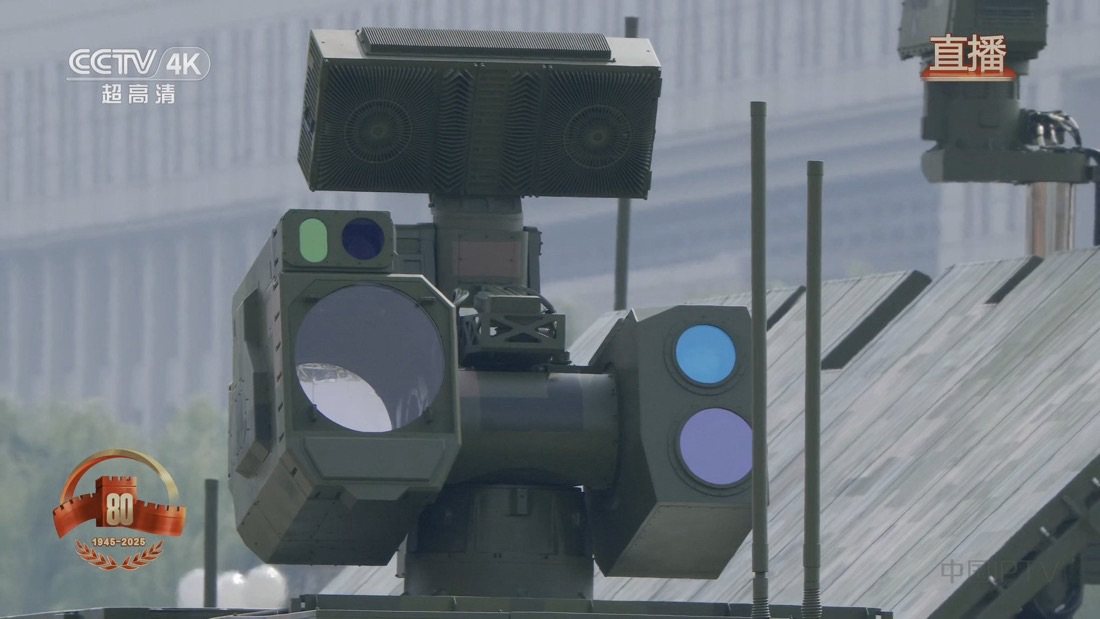
The OW5-A50 Laser HMV3 is a mobile, high-energy laser weapon mounted on an 8×8 heavy-duty truck chassis. Developed by the state-owned defense firm NORINCO, the system is designed to use a powerful laser to “burn out” the circuitry of unmanned aerial vehicles (UAVs) within a range of several kilometers. According to a NORINCO expert, the laser can achieve a kill in a matter of seconds, allowing it to rapidly switch between targets. The system is described as autonomous and requires no external power source, which significantly increases its mobility and survivability on the battlefield.
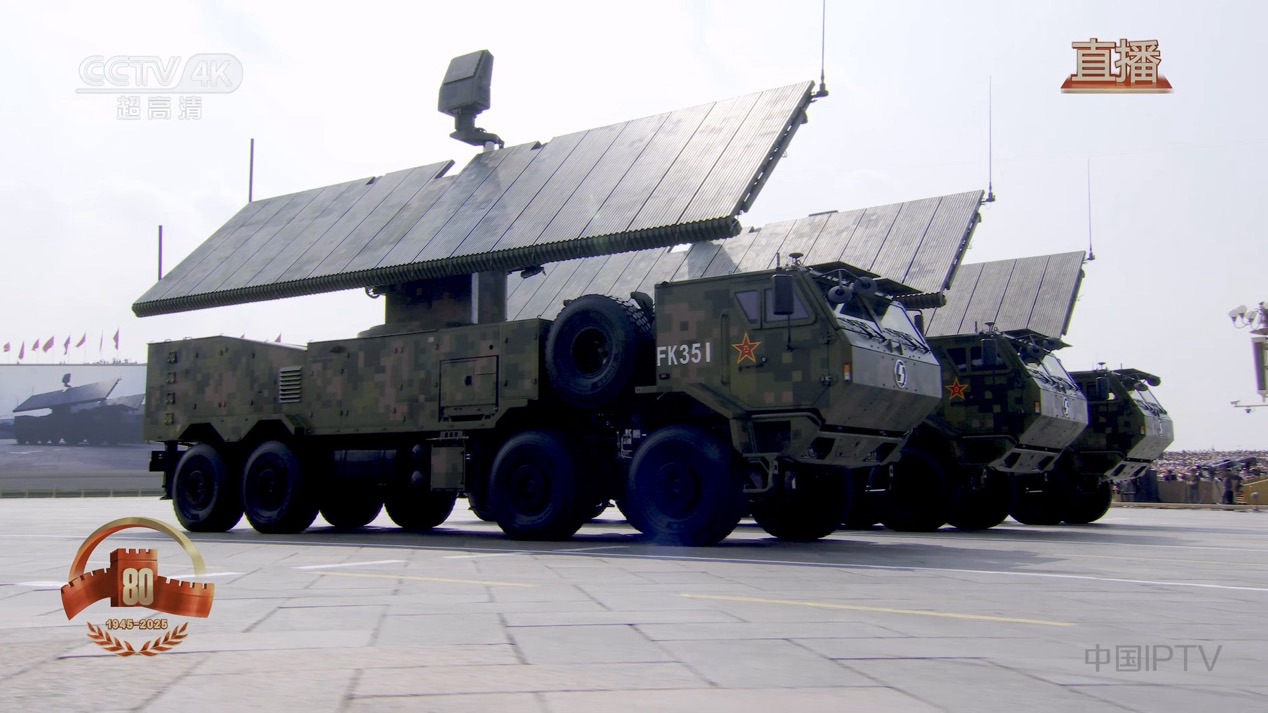
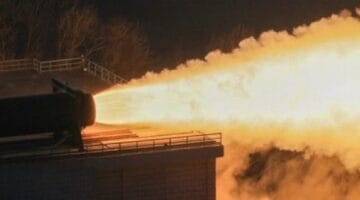
Complementing the laser system is the “Hurricane 3000”, a high-power microwave (HPM) weapon. This system, also developed by NORINCO, was unveiled at the 2024 Zhuhai Airshow and is capable of neutralizing entire drone swarms at once. It operates by emitting a concentrated microwave beam that fries the electronic components of its targets, rendering them inoperative. According to developers, the “Hurricane 3000” can neutralize drones within a 3-kilometer radius, acting as a “hemispherical mosquito net” to provide comprehensive protection against saturation attacks. This system’s ability to “soft-kill” a swarm of drones without causing physical destruction is particularly valuable for urban combat and situations where minimizing collateral damage is a priority.
The development and display of these “ultimate anti-drone weapons” highlight a key lesson learned from the war in Ukraine, where low-cost, expendable drones have proven to be a major challenge for conventional air defense systems. By investing in directed-energy weapons, China is positioning itself as a leader in a new generation of warfare, where the cost-per-kill of an air defense system becomes a major strategic consideration. While the United States and other countries are also developing similar technologies, the public showcasing of the OW5-A50 and the “Hurricane 3000” is a clear signal that China is making significant progress in this new and crucial field.