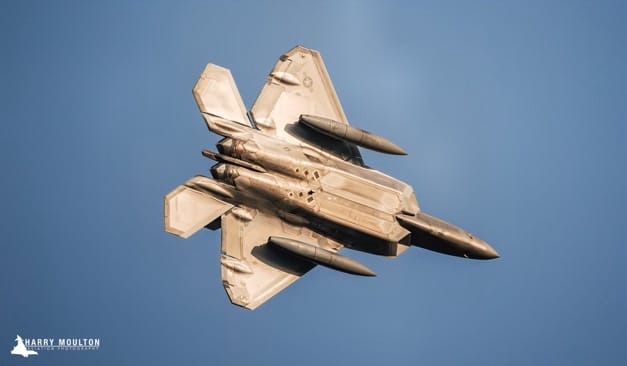

The U.S. Air Force launched a massive aerial reinforcement toward the Middle East on Tuesday, February 17, 2026, deploying at least 48 high-end fighter jets in a coordinated trans-Atlantic movement. The surge, consisting of 36 F-16 Fighting Falcons and 12 F-22 Raptors, signals a transition from diplomatic posturing to active operational readiness as the second round of indirect nuclear talks begins in Geneva.
The “Coronet East” Movement
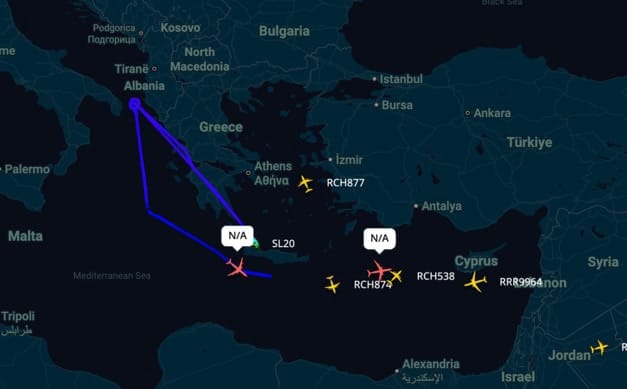
Open-source flight tracking (OSINT) and military logs identified the deployment as a multi-pronged effort utilizing specialized “Coronet” refueling tracks to move three full squadrons across the ocean:
* From Europe: 12 F-16s from the 31st Fighter Wing (Aviano Air Base, Italy) and 12 F-16s from the 52nd Fighter Wing (Spangdahlem Air Base, Germany). These are being supported by KC-135 Stratotankers operating under the “LAGER” callsign.
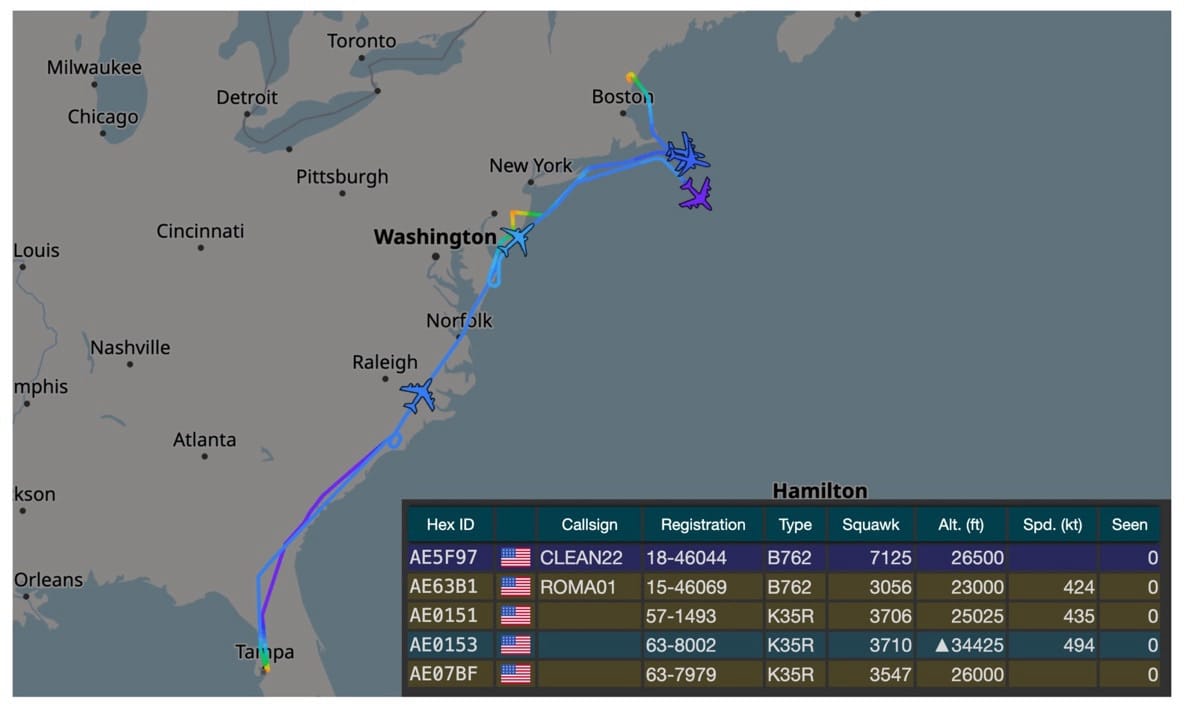
* From the U.S. East Coast: 12 F-16s from the McEntire Joint National Guard Base (South Carolina) are crossing via “Coronet East 030,” supported by “CLEAN” tankers.
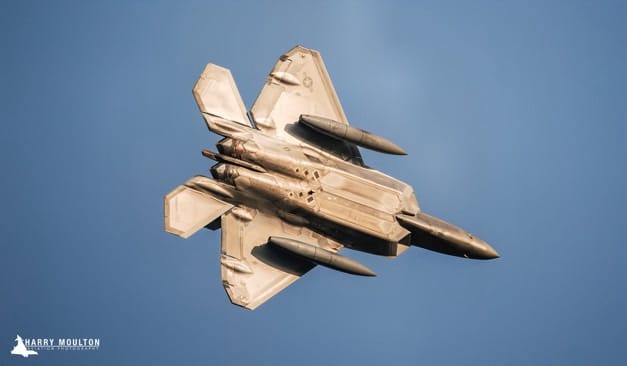
* The Stealth Component: 12 F-22 Raptors, flying as TREND 51 flight, departed Langley Air Force Base (Virginia) under “Coronet East 033.” They are being refueled by “ROMA” tankers and are currently transiting toward RAF Lakenheath before their final push to the Middle East.
The “Raptor Signal” and Operation Midnight Hammer
The arrival of the F-22 Raptor is the most significant indicator of a shift in U.S. intent. As the world’s premier air-superiority stealth fighter, the Raptor is the “spearhead” used to dismantle sophisticated air defense systems like Iran’s S-300 and S-400 batteries.
* Historical Omen: Analysts have noted a chilling parallel: the last time a full squadron of F-22s was surged to the region in June 2025, it served as the stealth escort for the B-2 bombers that executed Operation Midnight Hammer just four days later.
* Combat Posture: Unlike the F-15s and A-10s already in theater for drone defense, the F-22s are specifically designed to “clear the skies” of enemy interceptors and open corridors for heavy bombers.
Strategic Squeeze: Geneva and Hormuz
This military surge occurs at a moment of extreme tension. In Geneva, Iranian Foreign Minister Araghchi is meeting with U.S. intermediaries, offering to “dilute” 60% uranium in exchange for sanctions relief. However, the IRGC has simultaneously closed parts of the Strait of Hormuz for “live-fire drills,” asserting that they can “regulate maritime traffic” at will.
The arrival of 48 additional fighters—bringing the total land-based U.S. strike force in the region to over 150 aircraft—suggests that President Trump is providing a physical backing to his “Midnight Hammer” ultimatum. If the Geneva talks end in a deadlock today, the presence of the Raptors indicates that the U.S. is already postured for a “Plan B” that could begin within 72 to 96 hours.