
In a covert operation that sounds straight out of a spy thriller—or Grand Theft Auto, U.S. intelligence agents reportedly spent over a year trying to flip Venezuelan President Nicolás Maduro’s personal pilot, offering him money, protection, and a new life in exchange for diverting Maduro’s jet to a secret location where he could be captured.
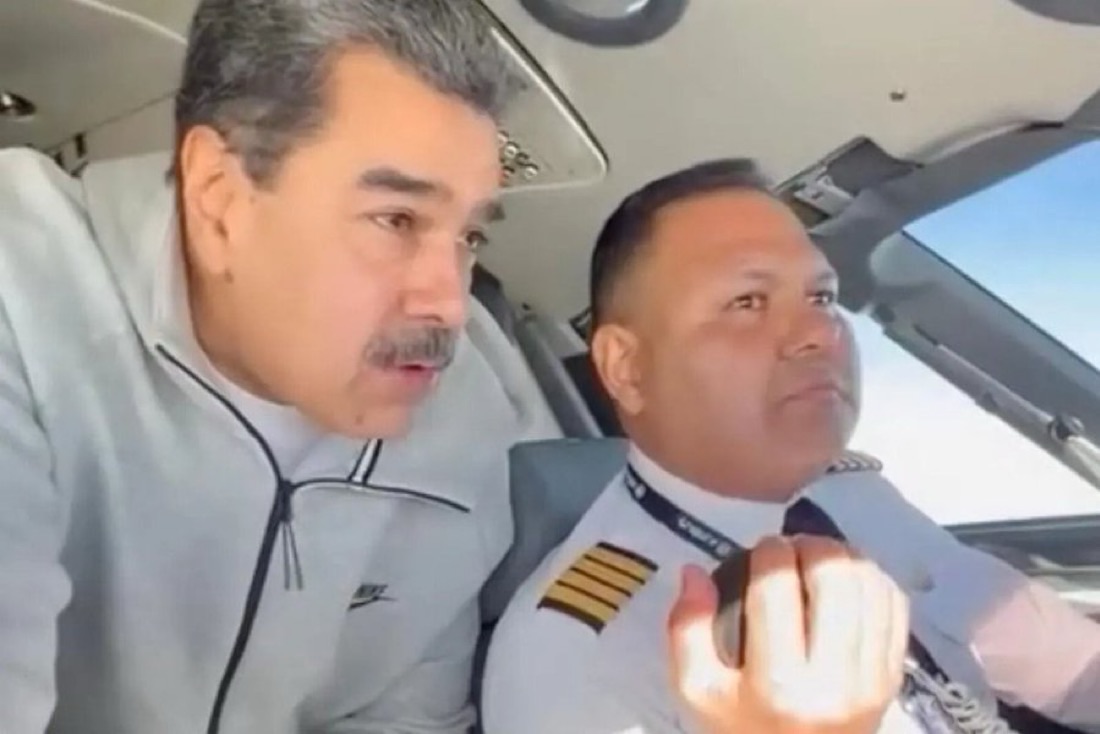
The plot, first revealed through intelligence leaks and regional sources, centered on Bitner Villegas, the trusted pilot of Maduro’s presidential aircraft. According to the reports, Villegas was approached by U.S. operatives with a daring proposition: during a foreign trip, he would quietly land the plane at a prearranged airfield under U.S. control, enabling agents to apprehend Maduro before Venezuelan security forces could react.
The incentive was staggering — a multi-million-dollar payout, U.S. residency, and full protection under Washington’s witness security program. One U.S. source familiar with the discussions called it “a once-in-a-generation opportunity to decapitate a regime without firing a shot.”
Villegas reportedly engaged with the plan for months, maintaining secret communications with intermediaries and even discussing technical details about the aircraft’s routes and communications systems. But when the operation neared its critical phase, the pilot abruptly cut off contact — vanishing without explanation. “He ghosted them like a bad Tinder date,” one intelligence insider joked.
The failed recruitment attempt unfolded against the backdrop of the Trump administration’s escalating campaign to oust Maduro, which included economic sanctions, covert pressure, and a $15 million bounty for information leading to Maduro’s arrest — later raised to $50 million. The U.S. had already indicted the Venezuelan leader on drug trafficking and terrorism charges, accusing him of running a “narco-state” through military-controlled smuggling operations.
By early 2025, Washington’s pressure had intensified, with the CIA authorized to conduct direct covert actions against the Maduro government and its allied cartels in the Southern Caribbean. The revelation of this “jet-jacking” plan illustrates just how far the U.S. was willing to go to remove the Venezuelan strongman without direct military intervention.
Analysts say the plan, though bold, was not implausible. Venezuela’s presidential air fleet routinely operates across friendly airspaces in Cuba, Algeria, and Turkey, creating potential windows of opportunity for interception. But any forced diversion would have carried enormous diplomatic risks — particularly if it took place over another sovereign nation’s territory.
For now, the plot reads like a missed opportunity wrapped in Cold War theatrics. Maduro, still defiant in Caracas, has used the story to paint the U.S. as an “imperialist aggressor.” Meanwhile, Villegas’s current whereabouts remain unclear — though he is rumored to have been quietly reassigned under increased internal surveillance.
In the end, the U.S. didn’t get its cinematic capture moment. But the attempt itself underscores a truth long known in intelligence circles: Washington was done playing nice. The $50 million bounty, the pressure campaign, and now this audacious recruitment effort all point to the same message — the U.S. wants Maduro gone, one way or another.