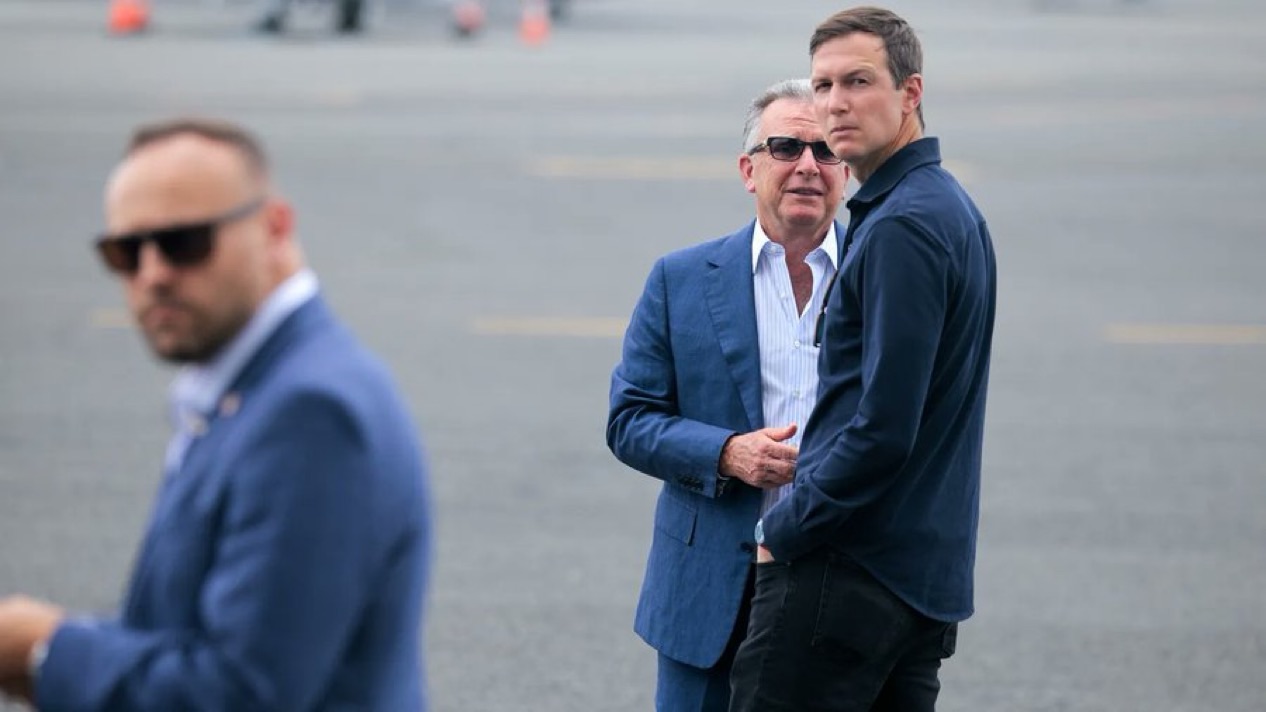

The complex and high-stakes shuttle diplomacy aimed at brokering an end to the Russia-Ukraine war hit a snag on Wednesday when US Special Envoy Steve Witkoff and Jared Kushner abruptly cancelled a scheduled meeting with Ukrainian President Volodymyr Zelenskyy in Brussels. The cancellation occurred immediately following the envoys’ marathon, nearly five-hour meeting with Russian President Vladimir Putin at the Kremlin on Tuesday night, reinforcing the Kremlin’s claim that the US delegation intended to report directly back to Washington.
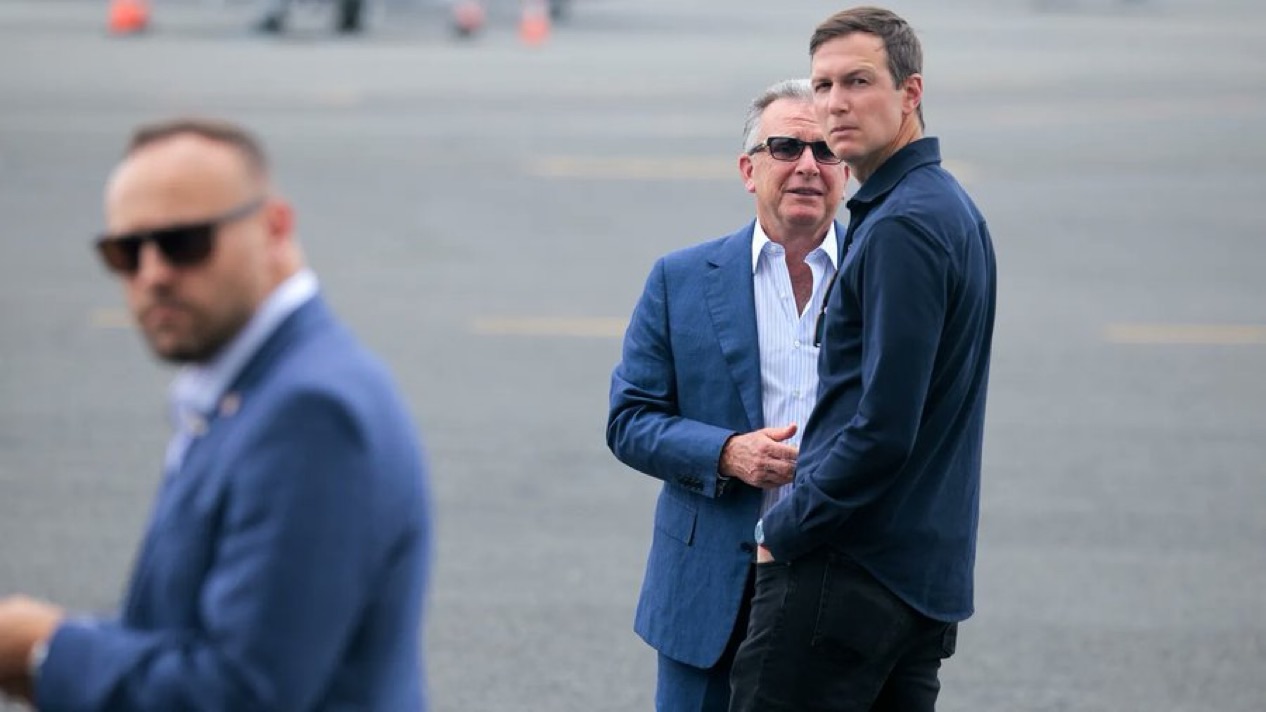
Kremlin Claims Direct Return to Washington
The Kremlin’s official statements suggest that Witkoff and Kushner were always committed to returning to Washington immediately after their talks with Putin. This rapid exit from Europe, bypassing a critical meeting with Kyiv’s leadership, risks reinforcing Ukrainian fears that the US is prioritizing its direct dialogue with Moscow over the concerns and diplomatic inclusion of its European and Ukrainian partners.
Ukrainian officials, including President Zelenskyy, had publicly stated they were “awaiting signals” and expected to be debriefed by the US delegation “immediately” after the Moscow talks concluded. The cancellation leaves the Ukrainian president in limbo regarding the detailed outcome of the discussions on the revised US peace framework. While the marathon talks between Witkoff, Kushner, and Putin were described as “constructive” by Russian officials, Kremlin aide Yuri Ushakov acknowledged that “no compromise” has yet been found on the critical issue of territories, indicating that substantial differences remain.
Tension Over the Peace Framework
The diplomatic drama in Brussels and Moscow revolves around a US-drafted peace proposal, the latest version of which was refined with Ukrainian input to make it more acceptable to Kyiv. However, the initial draft, leaked previously, had caused alarm across Europe and in Kyiv for appearing to concede too much to Russian maximalist demands, particularly concerning restrictions on NATO expansion and the potential for Russian control over annexed territories. .
The cancellation of the meeting in Brussels intensifies the sense of urgency and pressure on President Zelenskyy, who is already grappling with domestic corruption scandals and the immense military pressure on the eastern front. European officials, including NATO allies who were holding their own summit without the presence of US Secretary of State Marco Rubio, have expressed fear that the US-Russia talks could force Ukraine into unacceptable territorial concessions.
The swift return of the envoys to Washington signals that the Trump administration views its next steps—either further refining the peace plan or escalating pressure—as highly strategic decisions that require immediate, high-level consultation in the Oval Office. The fate of the peace plan now rests on the outcomes of those internal US deliberations rather than continued direct shuttle diplomacy between Moscow and Kyiv.