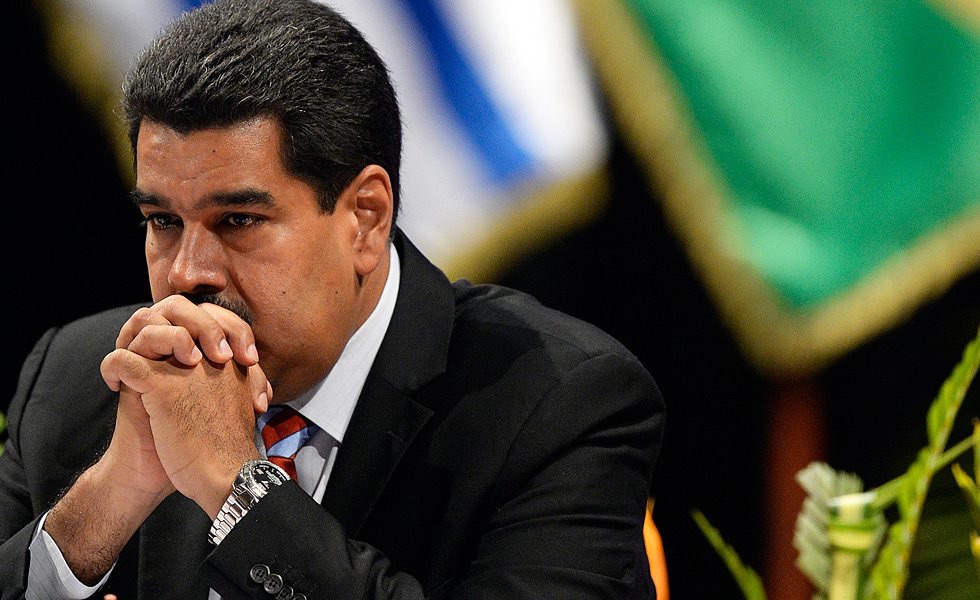

The high-stakes conflict between Washington and Caracas reached a critical zenith last week as President Donald J. Trump reportedly rebuffed an urgent appeal from Venezuelan President Nicolás Maduro for sweeping amnesty. The phone call, which included prominent figures like Senator Marco Rubio, saw Maduro reportedly request comprehensive amnesty for himself, his officials, and their families in exchange for potentially stepping down. President Trump, however, swiftly shut down the offer, maintaining a hardline stance and telling Maduro he must leave Venezuela voluntarily or face undefined “other options”—a clear reference to military intervention.
Escalation: Terror Designation and Airspace Closure

The rejected amnesty plea coincided with a rapid escalation of pressure from the Trump administration. Days after the tense phone call, the US officially designated the Cartel de los Soles, the alleged drug-trafficking organization tied to the Venezuelan government, as a Foreign Terrorist Organization (FTO). This designation, which US officials claim is led by Maduro himself, layers additional terrorism-related sanctions onto the regime and, critically, provides a new layer of legal justification for further aggressive action.
The financial and diplomatic pressure was immediately compounded by a direct, public security measure: President Trump ordered Venezuela’s airspace effectively closed. In a dramatic social media post, he explicitly warned “airlines, pilots, drug dealers, and human traffickers” to cease operations, leading to international airlines halting flights and bringing civilian air traffic over the country to a near-zero halt. The combined effect of the FTO designation and the airspace closure signaled an uncompromising commitment to isolating and crippling the Maduro regime.
The Military Threat Moves to Land
The pressure campaign, which began with a major US military buildup and airstrikes against suspected drug-trafficking boats in the Caribbean under “Operation Southern Spear,” is now reportedly moving toward a new phase. Speaking from his Mar-a-Lago estate during a Thanksgiving address to US troops, President Trump directly hinted that ground operations could be imminent.
“The land is easier,” Trump remarked, adding ominously, “That’s going to start very soon.” .
This pronouncement, made while the world’s largest aircraft carrier, the USS Gerald R. Ford, and other major US naval assets are operating in the Caribbean, transforms the counter-narcotics mission into a clear and present threat of land intervention. With commercial flights over Venezuela virtually nonexistent and the regime now officially labeled a terrorist enterprise, the military and diplomatic noose around Caracas is tightening with unparalleled force. The coming days are expected to reveal whether the escalating rhetoric will lead to direct kinetic action or finally force a political concession from Maduro.