

U.S. President Donald Trump said Iran has expressed interest in negotiating a ceasefire, but he is not prepared to accept a deal at this stage, stating that the terms currently offered are not strong enough for the United States.
In a nearly 30-minute phone interview, Trump said Iran appears willing to open discussions to end the war, but emphasized that Washington will only consider negotiations if the conditions meet strict requirements.
“Iran wants to make a deal, and I don’t want to make it because the terms aren’t good enough yet,” Trump said. He declined to publicly outline the specific conditions required for a potential agreement, though he indicated that any deal would likely require Iran to fully abandon its nuclear ambitions.
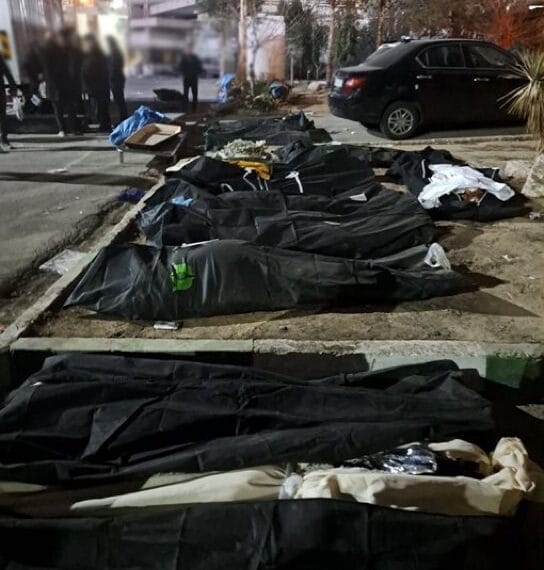
The remarks come amid the ongoing U.S.-Israeli military campaign against Iran, which began earlier this month and has led to a sharp escalation across the Middle East. Iranian forces and allied groups have launched missiles and drones against Israel and several countries hosting U.S. military installations, while American and Israeli forces continue airstrikes against Iranian military infrastructure.
Trump said the U.S. military campaign has already severely degraded Iran’s military capabilities, claiming that large portions of Iran’s missile and drone systems have been destroyed. He also suggested that additional strikes could take place in the coming days, particularly targeting remaining military assets.
During the interview, Trump confirmed that U.S. forces conducted strikes on Kharg Island, a strategically important Iranian island that serves as the main hub for the country’s oil exports. He said the operation caused extensive damage to military targets on the island but noted that energy infrastructure was largely spared.
Kharg Island handles the majority of Iran’s crude oil exports, making it one of the country’s most economically significant locations. Any sustained disruption to the island’s facilities could affect both Iran’s economy and global oil markets.
Trump also said the United States is working with multiple countries on a plan to secure the Strait of Hormuz, a vital maritime corridor through which a large share of the world’s oil shipments pass. The waterway has become a major focus of concern as tensions rise and global energy prices increase.
According to Trump, several countries affected by the conflict have committed to participating in efforts to keep the strait open and safe, though he declined to identify the nations involved. He added that the United States will coordinate with international partners to ensure the free movement of commercial shipping through the region.
Trump also questioned the status of Iran’s newly appointed supreme leader, Mojtaba Khamenei, suggesting there is uncertainty about his condition because he has not appeared publicly since assuming the position following the death of his predecessor.
The president said he was surprised that Iran expanded its attacks to other Middle Eastern countries, including Gulf states that host U.S. bases. Iranian missile and drone strikes have targeted multiple countries in the region since the start of the conflict.
Despite the economic concerns surrounding the war, including rising energy prices, Trump said he is not worried about the political impact of higher fuel costs, arguing that oil markets will stabilize once the conflict ends.
For now, Trump signaled that military operations will continue, while leaving open the possibility of negotiations if Iran agrees to significantly stronger terms.