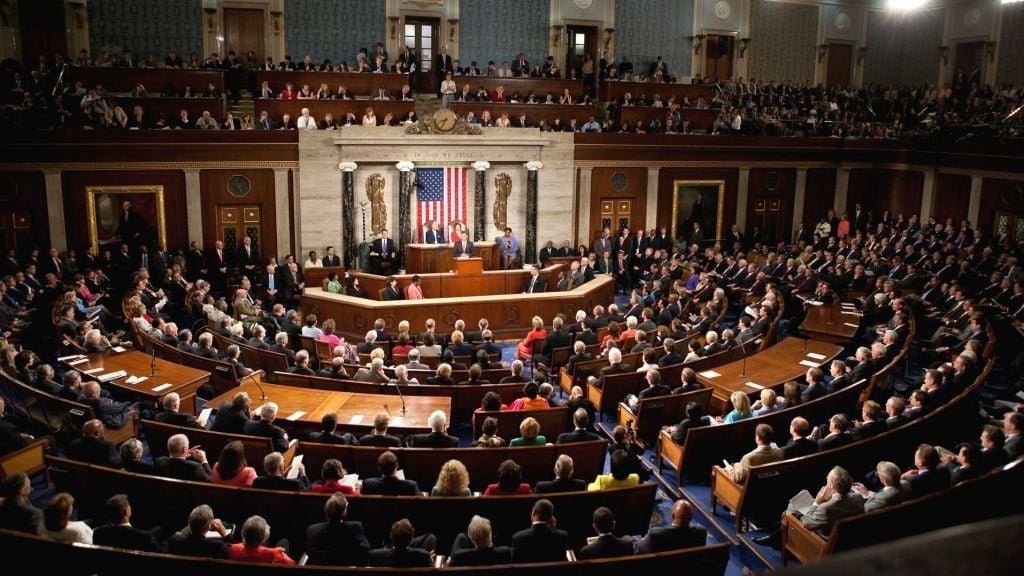

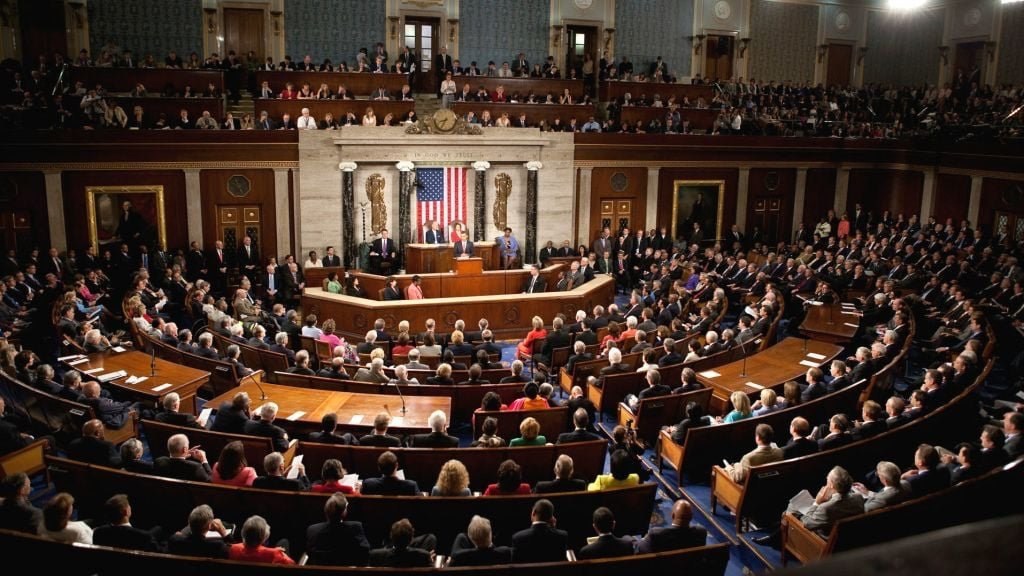
The United States Senate voted decisively on Wednesday to repeal the Caesar Syria Civilian Protection Act, a major legislative shift aimed at stabilizing the war-torn nation following the collapse of the Assad regime one year ago. The repeal was included as a provision in the fiscal year 2026 National Defense Authorization Act (NDAA), which passed with a bipartisan vote of 77-20. The bill now heads to President Donald Trump’s desk, where he is expected to sign it into law, fulfilling a campaign pledge to normalize relations and facilitate economic recovery in the region.
The Caesar Act, originally signed in 2019, imposed sweeping secondary sanctions on anyone doing business with the Syrian government, particularly in the energy, construction, and aviation sectors. While intended to punish the former regime of Bashar al-Assad for human rights atrocities, lawmakers argued that the sanctions had become a hindrance to the new transitional government led by President Ahmed al-Sharaa, which took power in December 2024.
Senators Jeanne Shaheen (D-N.H.) and Joe Wilson (R-S.C.), who championed the repeal, described the vote as a “historic opportunity” to align Syria with Western interests and prevent a resurgence of extremism. “The Syrian people achieved what once seemed impossible by toppling the dictatorship,” the lawmakers wrote in a joint statement. “Lifting these sanctions is essential to enable them to fight ISIS, combat the drug trade, and rebuild their shattered economy”. The urgency of the move was underscored by a recent ISIS attack in the Syrian desert that killed three U.S. service members, highlighting the need for a capable and well-resourced Syrian security apparatus.
News of the vote was met with relief in Damascus, where officials have blamed Western sanctions for crippling reconstruction efforts. The repeal is expected to unlock billions in potential foreign investment, particularly in Syria’s dilapidated oil and gas sector, which has been stagnant due to fears of U.S. financial penalties. European and Gulf investors, previously wary of the Caesar Act’s extraterritorial reach, are now expected to re-engage with the Syrian market.
However, the repeal is not without critics. Some hardliners in Washington argued that lifting sanctions prematurely could allow bad actors to siphon off reconstruction funds. To address these concerns, the NDAA includes non-binding provisions that require the White House to report regularly on the Syrian government’s progress in upholding human rights and protecting minorities.