
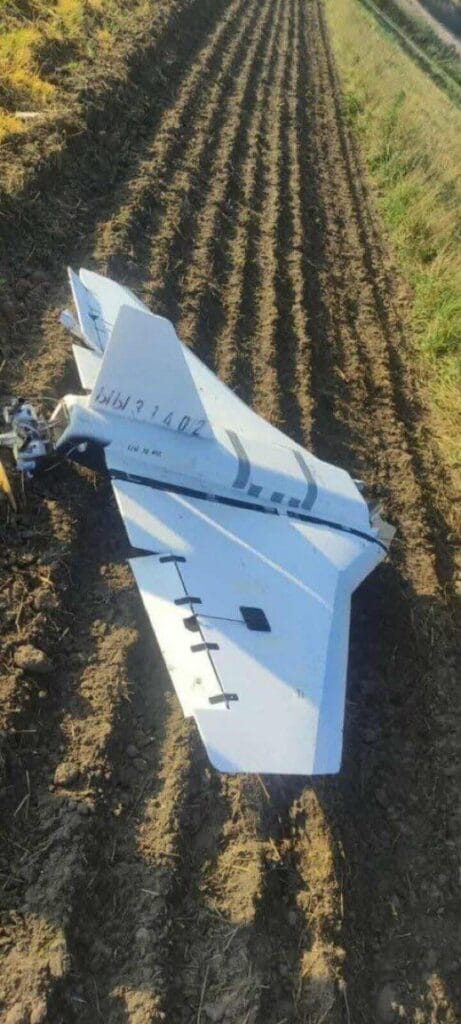
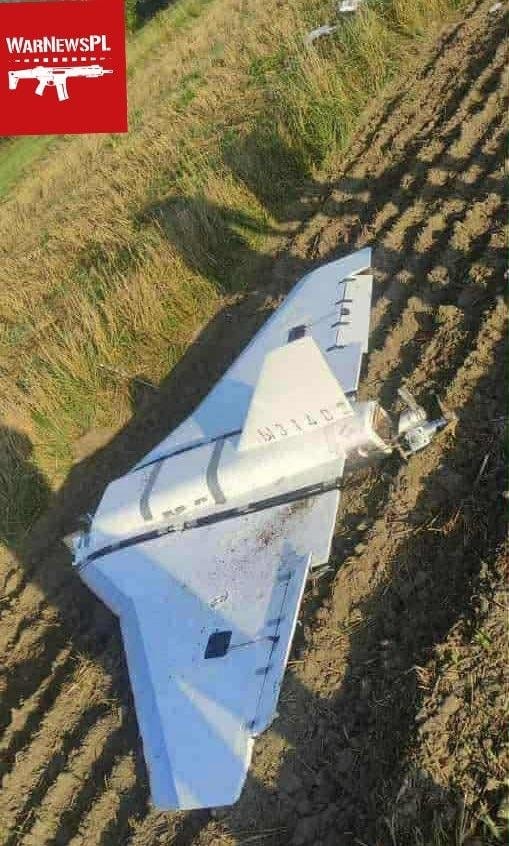
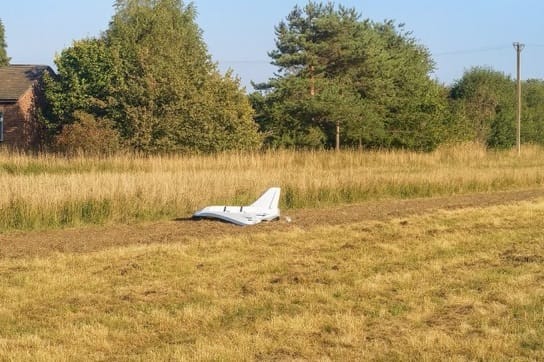
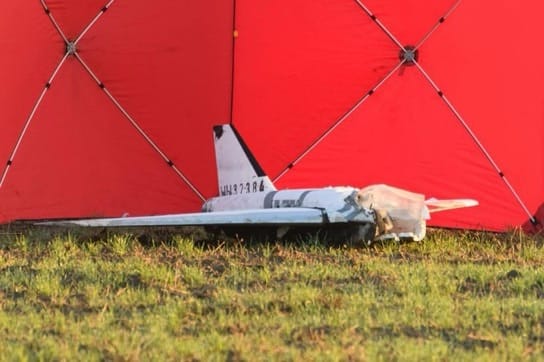
Poland has formally requested emergency consultations with its NATO allies, invoking Article 4 of the North Atlantic Treaty for the eighth time in the alliance’s 75-year history. The unprecedented diplomatic move is a direct response to repeated and deliberate Russian drone incursions into Polish airspace, which culminated in the Polish military shooting down several hostile drones. While Article 4 is not a “war trigger,” it is a powerful “warning signal” that gives any NATO member the right to call a meeting with all allies if it feels its safety, territorial integrity, or political independence is at risk.
Polish Prime Minister Donald Tusk stated that his country’s decision to invoke Article 4 was a necessary step, emphasizing that “words are not enough” and that Poland is asking for stronger support from the alliance. Tusk’s statement came after Polish and allied forces were forced to engage and neutralize Russian drones that violated the country’s airspace during a massive aerial assault on Ukraine. The Polish government has called the incidents a “real threat” and a “deliberate act of aggression” from Moscow.
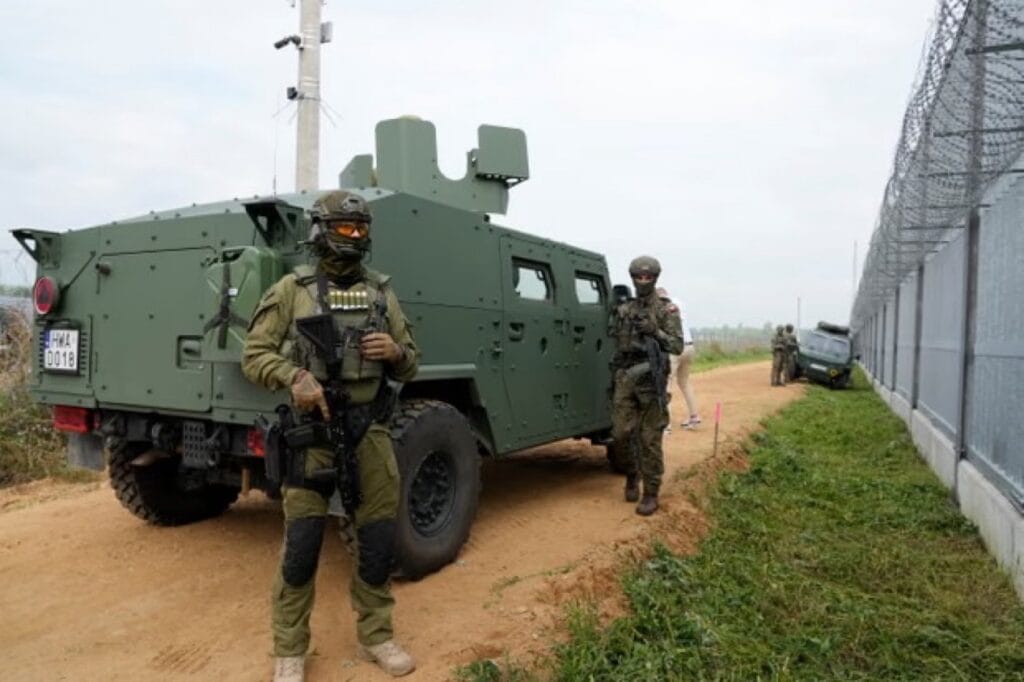
The invocation of Article 4 is a formal way to raise the alarm, share intelligence, and discuss next steps, which could include diplomacy, new defense planning, or increased military support. For Poland, the request is meant to prevent a crisis from becoming a full-blown military conflict. The move is considered a serious diplomatic step and could lead to a coordinated response by NATO allies. Such a response could involve a permanent increase in NATO air patrols over Poland and the deployment of more air defense systems to the region.
Past uses of Article 4 provide a clear precedent for the situation. Turkey has requested talks under Article 4 several times, most recently in 2020 after a missile attack in Syria’s Idlib province. In 2022, multiple NATO countries on the alliance’s eastern flank, including Poland, invoked Article 4 after Russia’s full-scale invasion of Ukraine, demonstrating the alliance’s ability to act in a unified manner in the face of a regional threat.
The current talks are expected to focus on how to deter future Russian incursions and how to better integrate NATO’s air defense networks with Ukraine’s. NATO Secretary-General Mark Rutte has confirmed that the alliance is in close consultation with Poland and has vowed to take all necessary steps to protect its members. The diplomatic effort is aimed at sending a clear message to Russia that its actions are being taken seriously and will not go unchallenged.
The political fallout from the incident is also significant. The Polish government is facing a difficult task of managing public fears while reassuring its citizens that the alliance is ready to respond. The invocation of Article 4 is a way to reinforce that message and to remind the world that an attack on one NATO member is an attack on all.