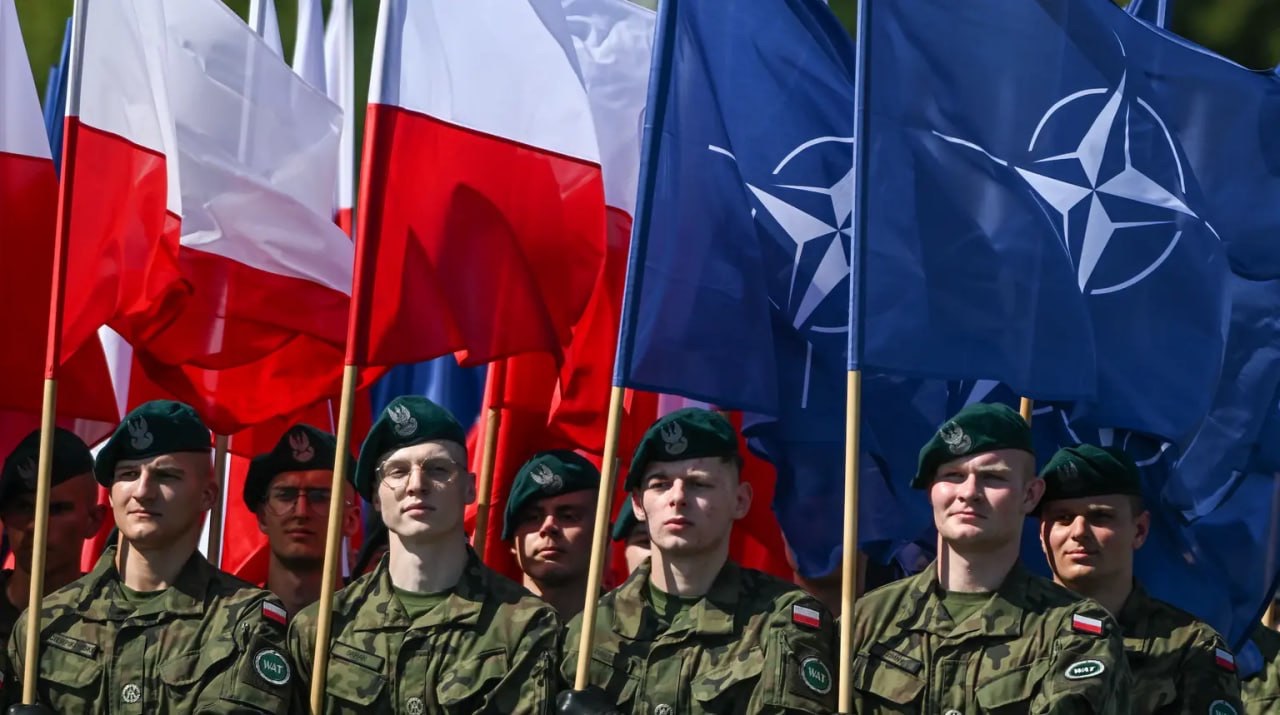

NATO has officially invoked Article 4 of the North Atlantic Treaty at Poland’s request, a significant political and military move that escalates tensions between Russia and the alliance. The request, which was approved during an emergency meeting of the North Atlantic Council in Brussels, comes after the Polish military shot down Russian drones that repeatedly violated the country’s airspace during an attack on Ukraine. The invocation of Article 4, which has only been triggered a handful of times in NATO’s history, allows member states to consult together when the security, territorial integrity, or political independence of any member is threatened.
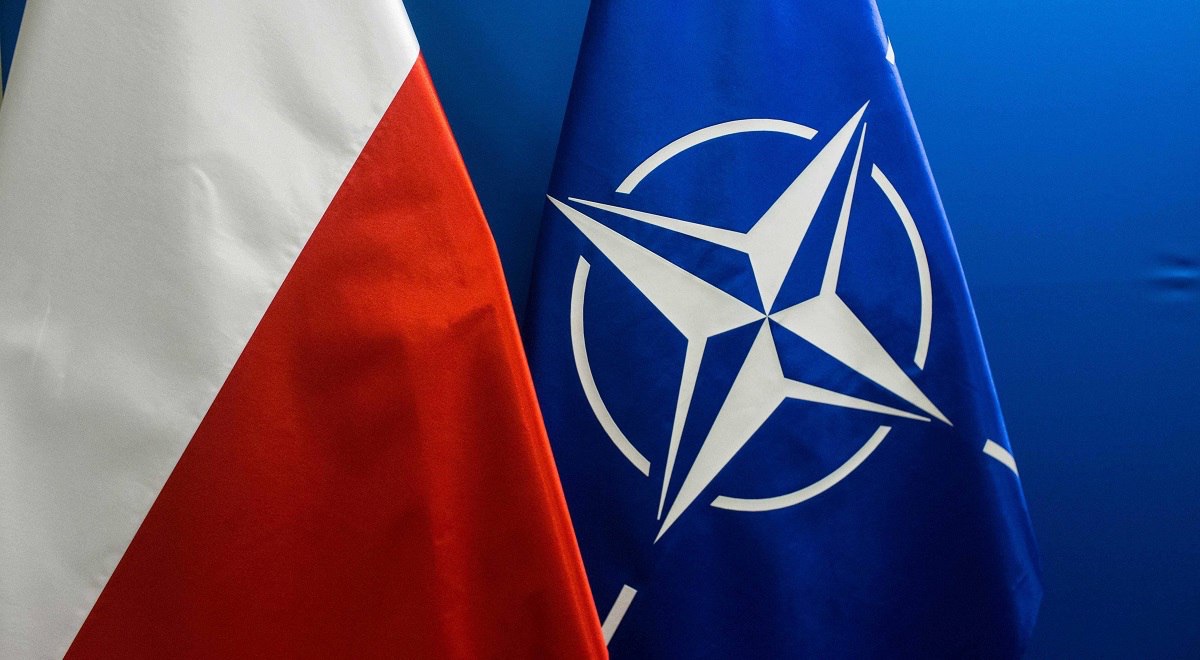
Polish Prime Minister Donald Tusk called the formal invocation of Article 4 “just the beginning,” signaling that Poland is seeking a more robust and unified response from its allies. Tusk told reporters that Poland recorded 19 intrusions by Russian drones and that Polish and NATO assets, including Dutch F-35 jets, neutralized several of them. He added that the prospect of a large-scale military conflict is “closer than at any time since the Second World War.”
The move to invoke Article 4 has drawn a strong and unified response from NATO leadership. NATO Secretary-General Mark Rutte stated that the violation of Polish airspace was “not an isolated incident” and that a full assessment is underway. He added that “allies expressed solidarity with Poland and denounced Russia’s reckless behavior.” U.S. General Alexus Grynkewich, NATO’s top military commander, also said that the alliance would react “quickly and decisively” to the incident.
The invocation of Article 4 does not automatically trigger a military response, but it sets the stage for a wide range of actions. The NATO council meeting is expected to lead to decisions on new defense planning, increased military support for Poland, and potentially a permanent increase in NATO air patrols over the eastern flank. The incident has also prompted calls from European leaders for the urgent development of a “drone wall” to improve real-time surveillance of member countries bordering Russia.
Russia’s government has so far denied that its drones were involved in the violation. However, the Polish government has stated that the drones were a deliberate act of aggression and not an accident. The public confrontation and the formal invocation of Article 4 send a clear message to Russia that its actions are a serious threat to European security and that NATO is prepared to act in a unified manner.