
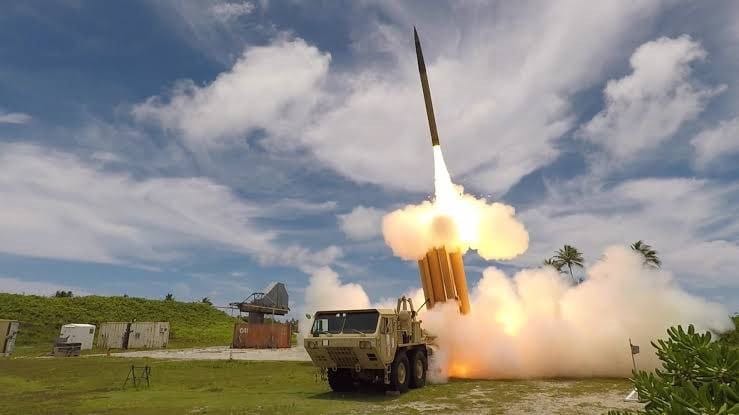

In a massive expansion of America’s defensive industrial base, Lockheed Martin has finalized a strategic agreement with the Pentagon to quadruple the production of interceptors for the Terminal High Altitude Area Defense (THAAD) system. The deal, announced amidst spiraling tensions in the Middle East, aims to secure the U.S. military’s ability to sustain a high-intensity missile war against adversaries like Iran.
The Numbers: 96 to 400
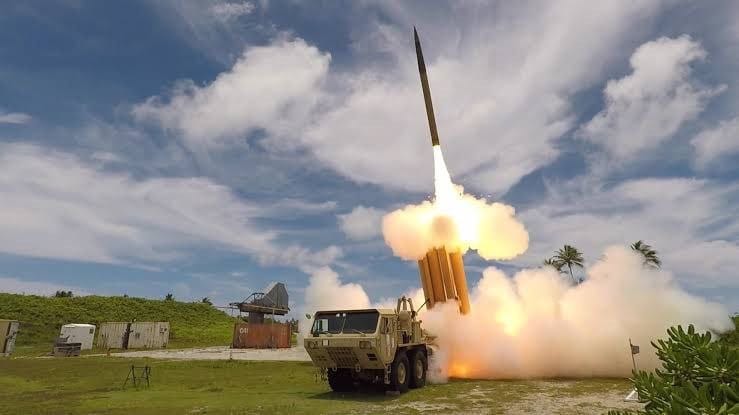
Under the terms of the new multi-billion dollar agreement, the defense giant will ramp up its manufacturing lines to produce 400 interceptor missiles per year, a staggering increase from the current rate of 96. This four-fold surge will be sustained over a period of seven years, signaling that Washington anticipates a long-term era of heightened ballistic missile threats.
The timing of the announcement is critical. With U.S. THAAD batteries recently rushed to the Middle East to protect the arriving naval “armada” and allied nations from potential Iranian retaliation, planners at the Pentagon are acutely aware of the “magazine depth” problem—the risk of running out of interceptors before the enemy runs out of missiles.
Replenishing the Shield
“This isn’t just about deterrence anymore; it’s about war-fighting stamina,” a defense analyst noted. “If Iran or its proxies launch saturation attacks, you burn through interceptors fast. Tripling or quadrupling output is the only way to ensure the shield stays up after the first week of combat.”
The THAAD system is the crown jewel of the U.S. Army’s layered missile defense. Designed to intercept short, medium, and intermediate-range ballistic missiles in their terminal phase (descent), it uses “hit-to-kill” kinetic energy technology to destroy warheads. It is the only U.S. system designed to intercept targets both inside and outside the atmosphere.
Industrial Mobilization
The seven-year timeline indicates a structural shift in U.S. procurement strategy, moving away from “just-in-time” delivery to massive stockpiling. Lockheed Martin is expected to expand its facilities in Troy, Alabama, and Camden, Arkansas, to meet the demand.
This move also serves as a strategic signal to Beijing and Moscow. By locking in a hot production line for 400 highly advanced interceptors annually, the U.S. is demonstrating its capacity to out-produce rivals in high-end munitions, a capability that had atrophied in the post-Cold War era but is now being frantically rebuilt.