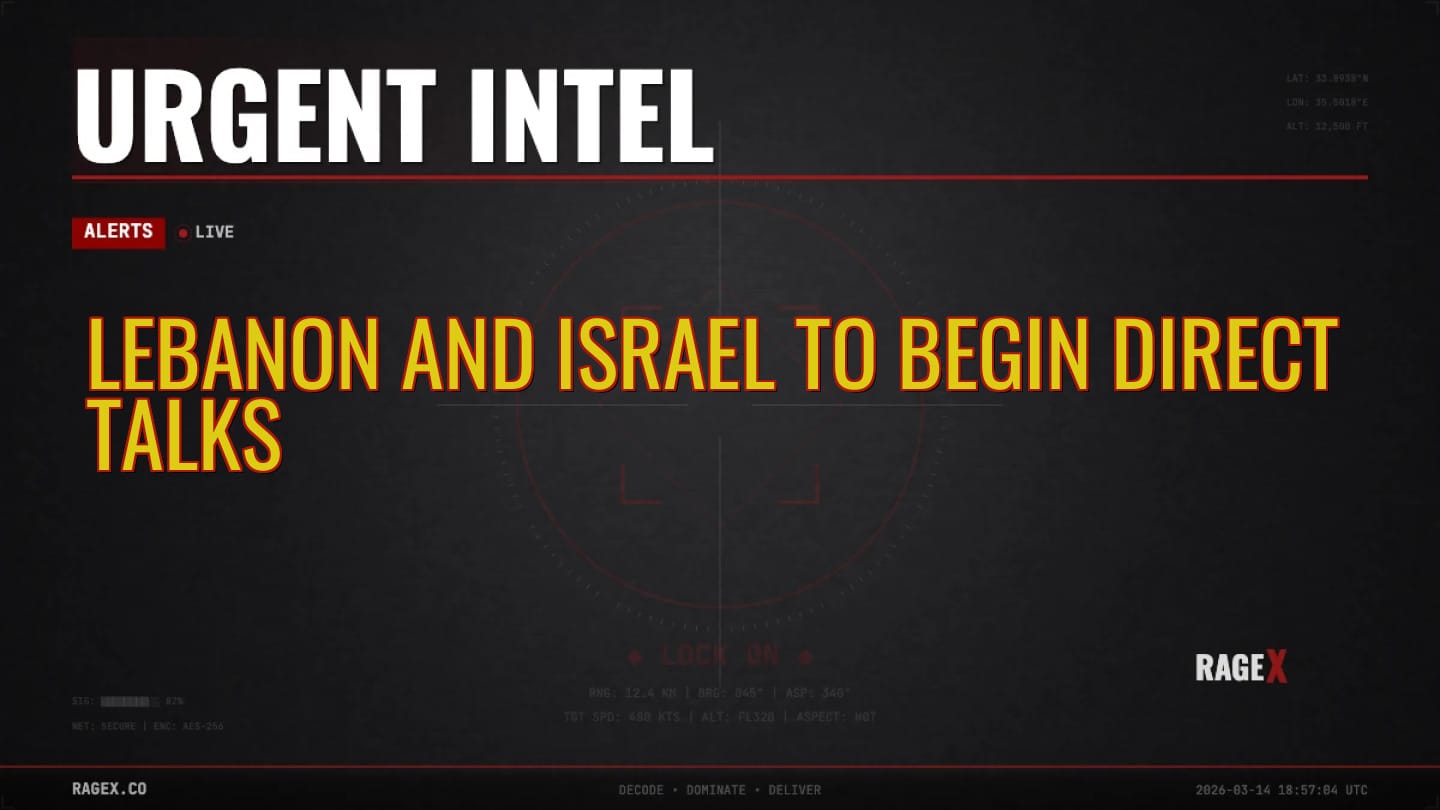
The sprawling multidomain conflict engulfing the Middle East has unexpectedly produced a monumental diplomatic breakthrough. In an unprecedented geopolitical shift, official negotiations between the governments of Lebanon and Israel are scheduled to begin next week. Brokered heavily by international mediators, this historic development arrives as the Lebanese state desperately attempts to decouple itself from the fiery destruction currently consuming the Iranian regime and its sprawling proxy networks. French President Emmanuel Macron has formally offered to host the high-stakes diplomatic summit in Paris, publicly confirming that Lebanese officials have signaled a shocking willingness to engage in direct bilateral talks with their longtime regional adversary.
The urgent push for a diplomatic off-ramp arrives amid terrifying intelligence reports indicating that the Israeli military is actively preparing for a massive, full-scale ground invasion into southern Lebanon. Seeking to permanently neutralize the relentless rocket barrages, Israeli commanders are reportedly planning an aggressive incursion designed to completely dismantle Hezbollah’s deeply entrenched military infrastructure south of the Litani River. Facing the terrifying prospect of nationwide devastation comparable to the destruction in Gaza, the Lebanese government has made a major, historic concession by agreeing to sit at the negotiating table without any prior preconditions.
Behind the scenes, the complex diplomatic architecture is being meticulously managed by top-tier political operatives from both the United States and Israel. Prime Minister Benjamin Netanyahu has explicitly tasked trusted former minister Ron Dermer with leading the Israeli delegation and managing the volatile Lebanese file. On the American side, the Trump administration is heavily relying on Massad Boulos—a senior presidential adviser and the United States envoy for Africa—to actively facilitate the delicate communications between the warring parties. The highly ambitious peace framework currently circulating reportedly demands a phased Israeli military withdrawal from recently captured border territories in exchange for the systematic disarmament of Hezbollah and, most astonishingly, Lebanon’s formal diplomatic recognition of the State of Israel.
This potential bilateral agreement represents a seismic, permanent alteration of the Middle Eastern security landscape. Officially existing in a formal state of war since 1948, the sudden willingness of Beirut to negotiate a comprehensive peace treaty underscores the catastrophic pressure the allied military coalition has successfully applied to the “axis of resistance.” If the upcoming talks in Paris or Cyprus prove successful, the monumental deal would effectively sever Hezbollah from its wounded, financially crippled Iranian patrons. As the heavy strategic bombers continue their relentless, unforgiving assault on the remnants of the Islamic Republic, these unprecedented negotiations offer a fleeting but profound glimmer of diplomatic hope in an otherwise brutally violent war today.
Lebanon And Israel To Begin Direct Talks
Facing the imminent threat of a massive Israeli ground invasion, the Lebanese government has agreed to unprecedented direct peace negotiations brokered by the US and France starting next week.