


Cuba is facing a severe escalation of its ongoing energy crisis, with a massive blackout sweeping across large portions of the island. The national grid has buckled under the combined weight of a massive power deficit, chronic fuel shortages, and rapidly deteriorating infrastructure.
A Grid on the Brink
The widespread outage has paralyzed much of the country, leaving millions without electricity.
* The Affected Zones: The blackout has heavily impacted the capital city of Havana, with outages spanning from the central province of Camagüey to Pinar del Río in the far west.
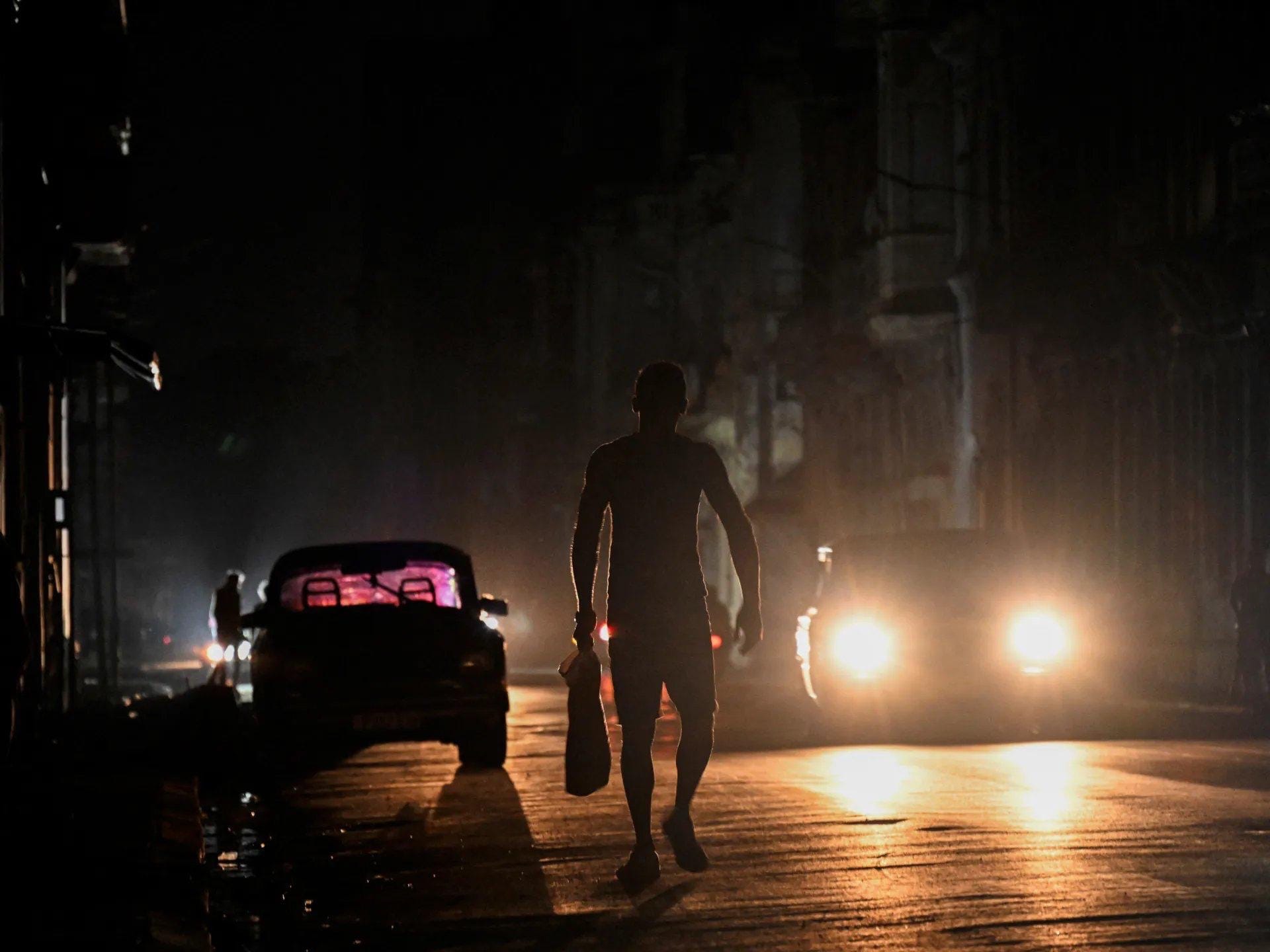
* Struggling to Restore Power: Cuba’s national electricity union (UNE) has acknowledged the grid collapse and stated that technicians are actively working to restore service to the affected regions.
The Root of the Energy Crisis
The collapse of the electrical grid is not an isolated incident, but rather the symptom of a much deeper, systemic energy crisis gripping the nation.
* The Fuel Blockade: Cuba’s energy sector heavily relies on imported oil to fuel its power plants. However, the recent tightening of the U.S. fuel blockade—particularly following the disruption of vital Venezuelan oil shipments earlier this year—has starved the island of its primary energy source.
* Failing Infrastructure: Compounding the acute lack of fuel is the severe disrepair of Cuba’s aging thermoelectric plants. Built decades ago, these facilities suffer from frequent breakdowns and a lack of essential spare parts, severely crippling their generation capacity.
* Grueling Rationing: As the government struggles to manage its critically low fuel reserves, officials have warned the public that grueling rolling blackouts lasting between 12 and 20 hours a day are likely to continue for the foreseeable future.