


In a significant display of NATO’s evolving airpower capabilities, the Belgian Air Force has conducted a historic joint patrol operation over the Black Sea, marking a new chapter in the alliance’s deterrence strategy on its eastern flank. For the first time, Belgian F-16 Fighting Falcons, supported by an Airbus A330 Multi Role Tanker Transport (MRTT), executed a complex mission alongside French Dassault Rafale fighters, flying a vector directly towards the Russian flight information region.
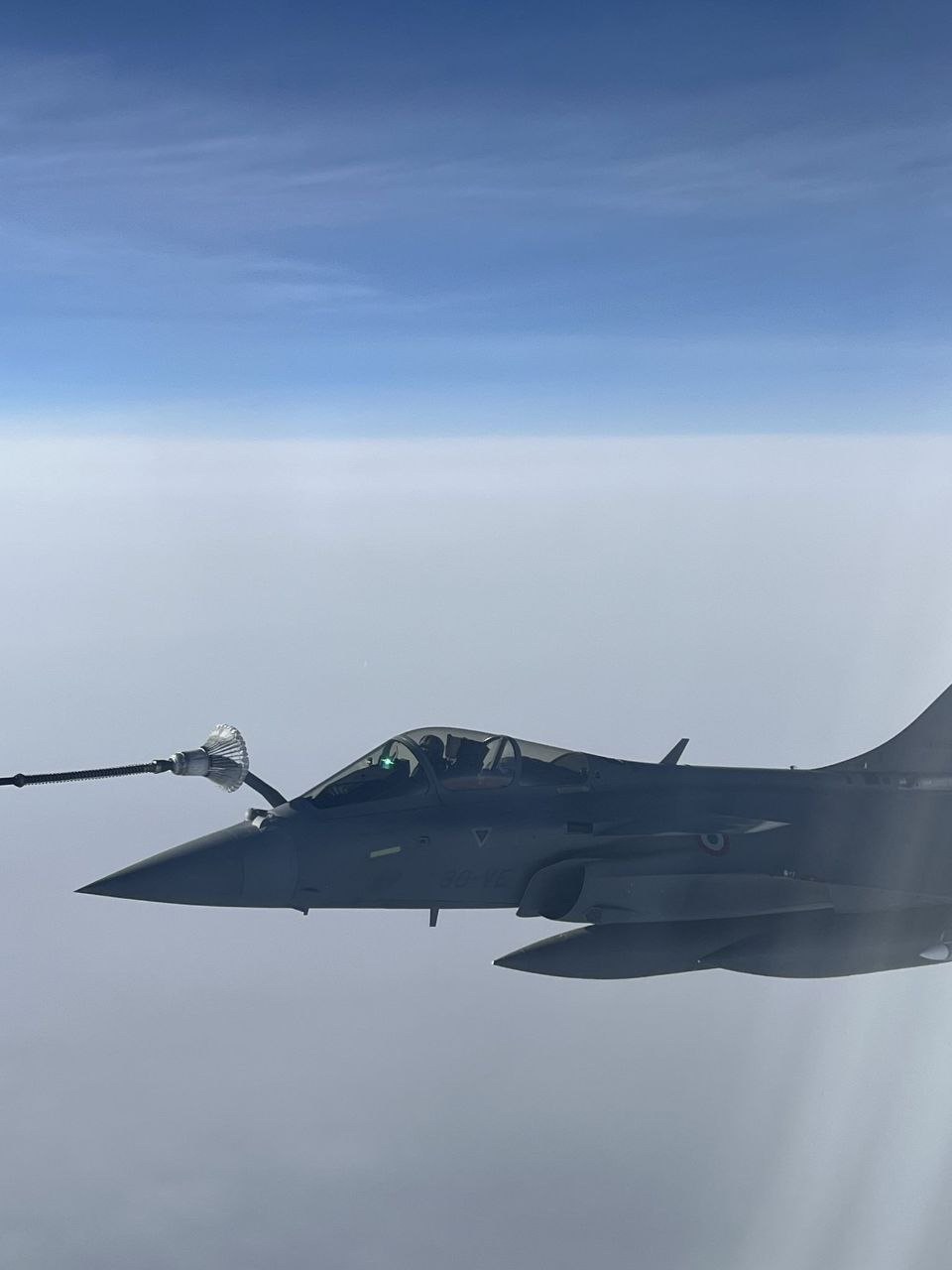
The mission, which took place on Thursday, represents a major escalation in the complexity of air policing operations in the region. While Belgian F-16s have long been a staple of NATO’s Baltic Air Policing, this specific sorties profile—integrating the 4.5-generation Rafale “omnirole” fighters with Belgian assets and dedicated aerial refueling support—demonstrates a heightened level of interoperability. The aircraft operated in international airspace but on a trajectory that signaled a clear “Russian direction,” a move military analysts interpret as a firm message of resolve to Moscow.
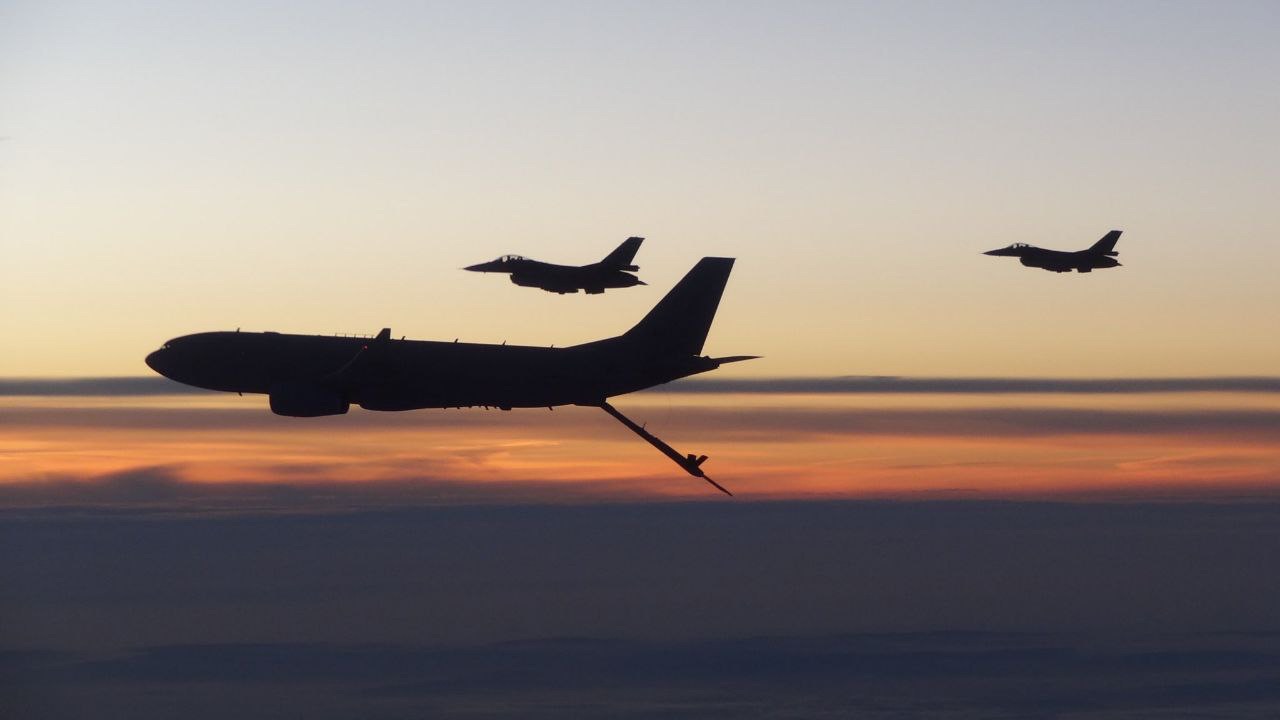
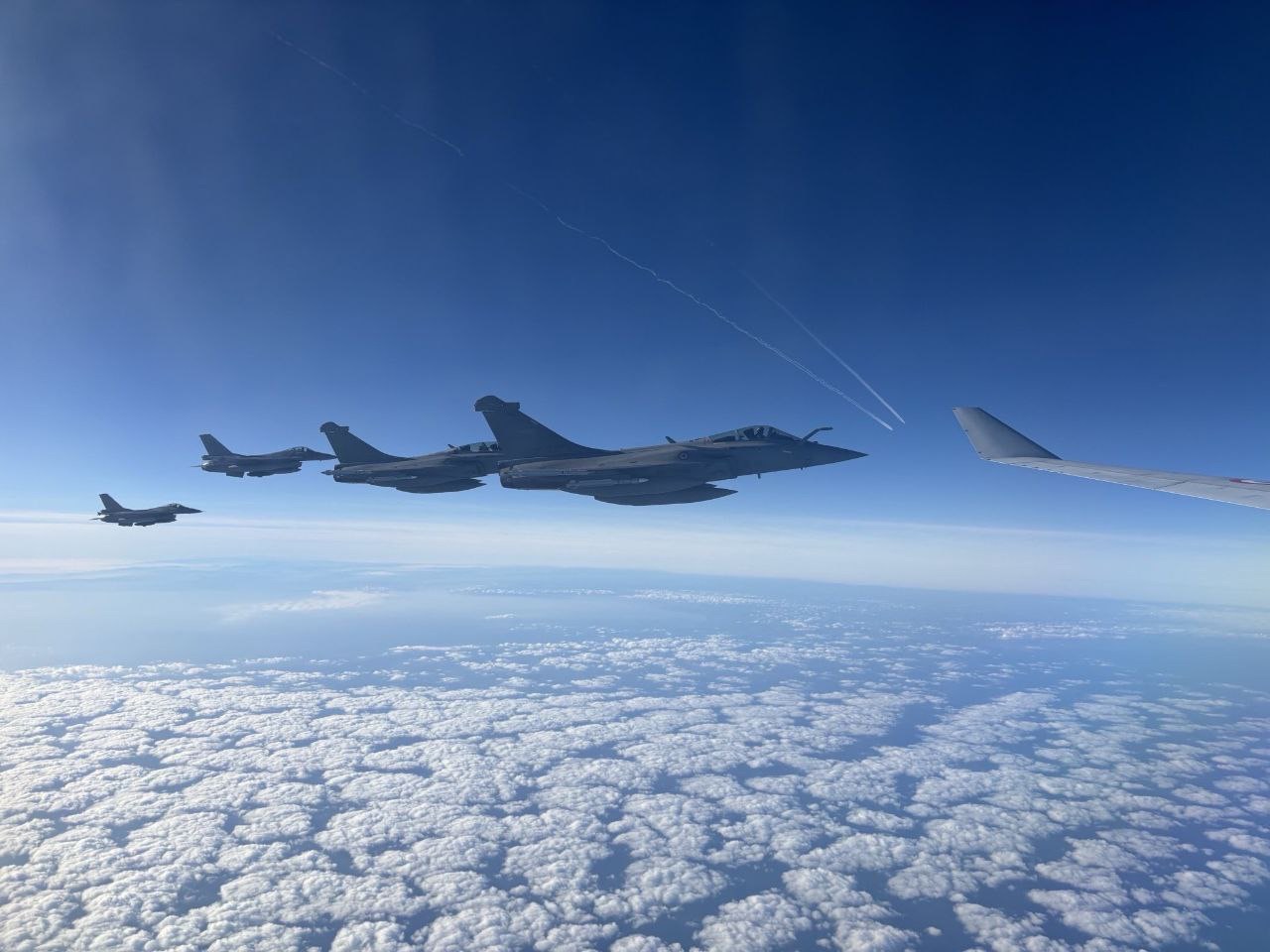
Central to the operation’s success was the Airbus A330 MRTT, a strategic enabler that allowed the fighter jets to extend their loiter time significantly. This endurance is critical for Black Sea operations, where the distance from NATO bases in Romania or Bulgaria to the sensitive maritime zones near Crimea requires substantial fuel reserves. The ability to refuel mid-air transforms a standard patrol into a persistent presence, denying potential adversaries any “unwatched” windows of opportunity.
The integration of the French Rafales adds a layer of sophisticated sensor fusion and electronic warfare capabilities to the patrol package. Unlike previous missions that may have relied on lighter footprints, the Rafale’s SPECTRA electronic warfare suite allows the formation to operate safely even within the engagement envelopes of advanced Russian anti-access/area-denial (A2/AD) systems, such as the S-400 batteries stationed in Sevastopol.
This joint patrol falls under the broader umbrella of NATO’s “Operation Black Sea Region,” an initiative designed to ensure freedom of navigation and secure the airspace of member nations bordering the conflict zone. The operation follows a similar, albeit smaller-scale, mission in November involving French Mirage 2000s, suggesting a deliberate and graduated increase in the quality of assets NATO is willing to deploy to the frontier.
Belgian Defense officials praised the mission as a validation of their air component’s readiness. “This patrol proves that our pilots can integrate seamlessly with the most advanced platforms in the alliance,” a spokesperson stated. “We are not just present; we are capable of projecting power where it matters most.” As tensions in the region remain at a boiling point, the sight of Belgian and French wings operating in unison serves as a potent reminder of the alliance’s collective defense commitment.