
The White House explicitly confirmed Wednesday that the U.S.-Iran ceasefire does not cover Israeli military operations against Hezbollah in Lebanon, contradicting statements from Pakistani mediators and Iranian officials who asserted the agreement applied universally. Press Secretary Karoline Leavitt’s clarification to Axios exposed a fundamental divergence in how parties interpret the fourteen-day pause.
Pakistani Prime Minister Shehbaz Sharif had announced the ceasefire would apply “everywhere, including Lebanon and elsewhere,” framing the agreement as comprehensive. However, a senior U.S. official revealed that Prime Minister Benjamin Netanyahu secured President Trump’s agreement during a pre-announcement phone call to exclude Lebanon operations, permitting continued Israeli military pressure on Iran’s primary proxy force.
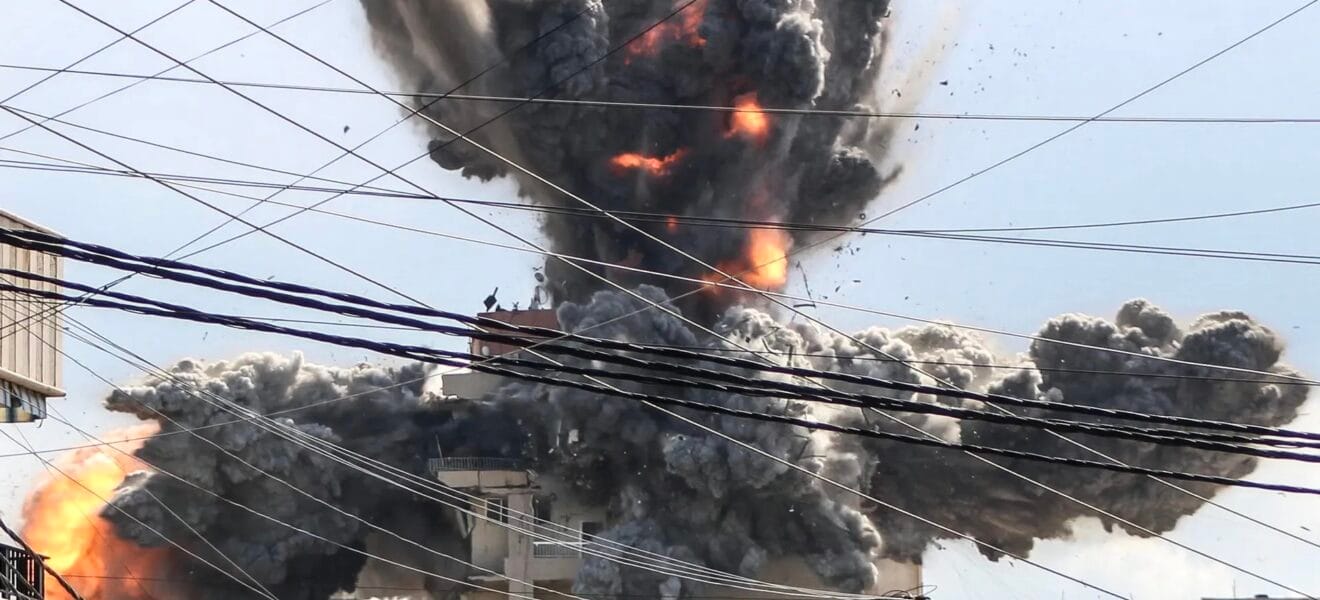
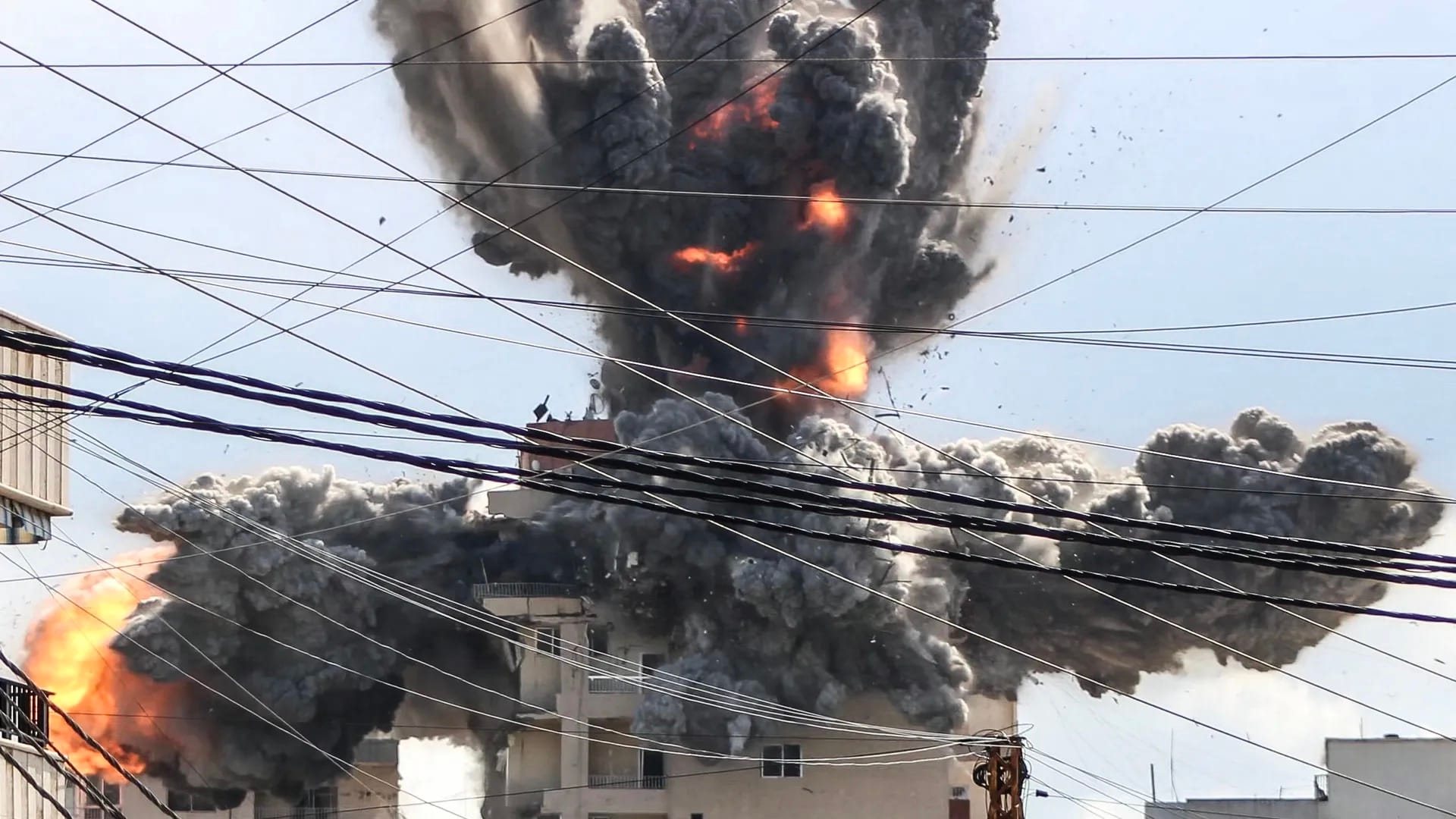
The exclusion triggered immediate consequences. Israel executed its largest coordinated strike wave since the war’s inception on Wednesday, deploying fifty fighter jets to hit one hundred Hezbollah command centers and military sites across Beirut, the Beqaa Valley, and southern Lebanon using approximately one hundred sixty munitions. Lebanese authorities reported over eighty fatalities and two hundred wounded.
Iran responded with explicit threats to abandon the ceasefire entirely. State media quoted officials warning of withdrawal if Lebanon attacks persist, while Fars news agency reported Iran halted oil tanker transit through the Strait of Hormuz following the Israeli strikes. Foreign Minister Abbas Araghchi contacted multiple counterparts to protest the alleged breach.
Pakistani mediators now face a collapsing consensus. Sharif urged all parties to exercise restraint and respect the agreed pause, acknowledging violations across the conflict zone undermine diplomatic prospects. Hezbollah asserted its right to retaliate, while Lebanese leaders accused Israel of perpetrating “a new massacre.”
The White House maintains confidence that Lebanon operations will not collapse the broader Iran agreement, despite Tehran’s linkage of the conflicts. The bifurcated approach risks unraveling the nascent diplomatic window before substantive negotiations commence.