


The Department of Justice has released a massive cache of previously sealed documents and images related to the death of disgraced financier Jeffrey Epstein, providing the public with its most graphic and unvarnished look yet at the scene inside his cell at the Metropolitan Correctional Center (MCC) on the morning of August 10, 2019.
The “Death Scene” Files
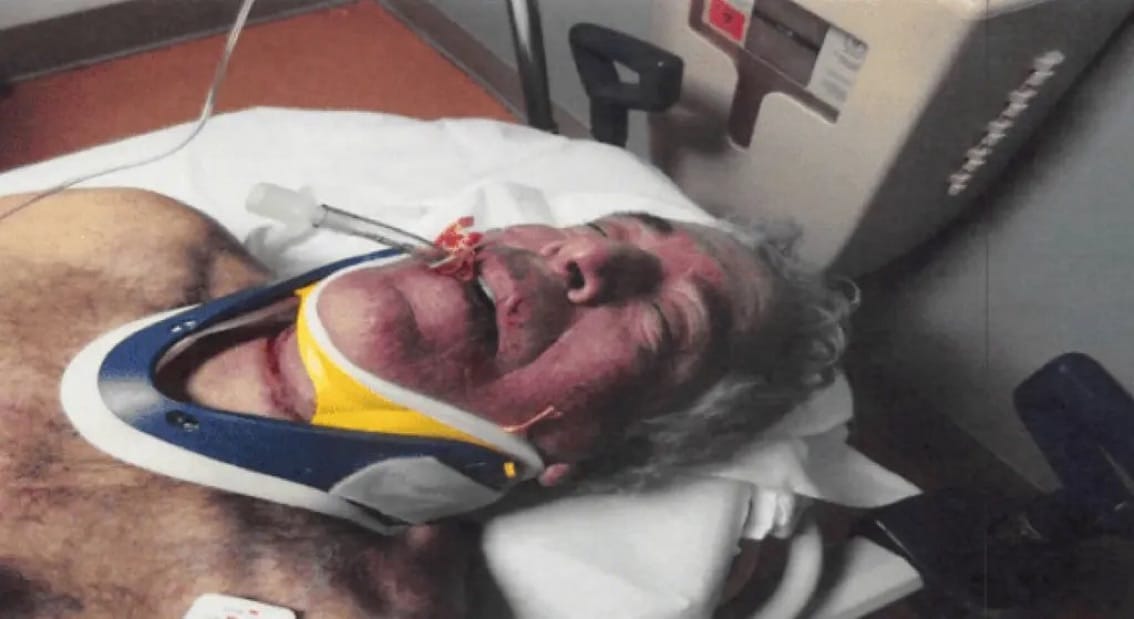
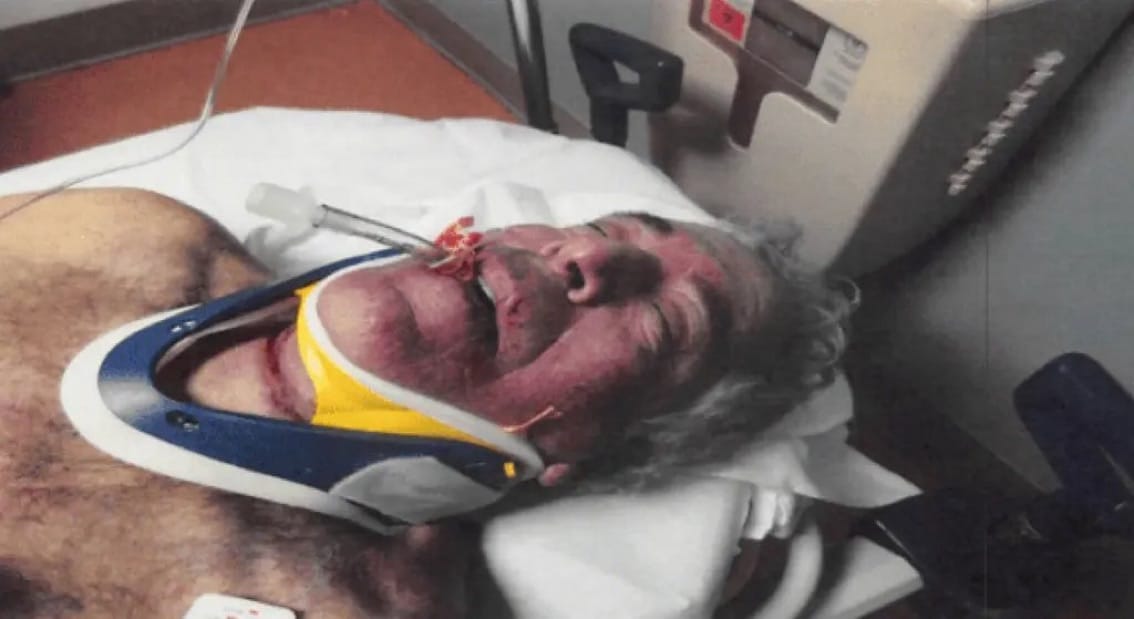
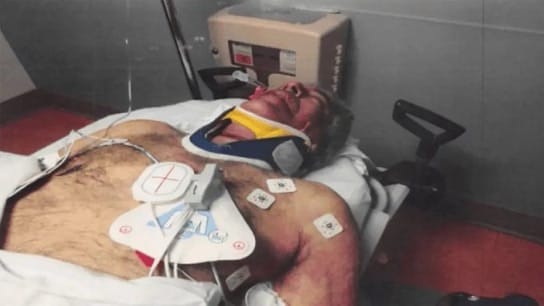
The newly declassified materials, part of a rolling release mandated by the Epstein Files Transparency Act, include high-resolution photographs taken by the medical examiner’s office and federal investigators. Among the most disturbing images are close-ups of Epstein’s body shortly after he was discovered unresponsive.
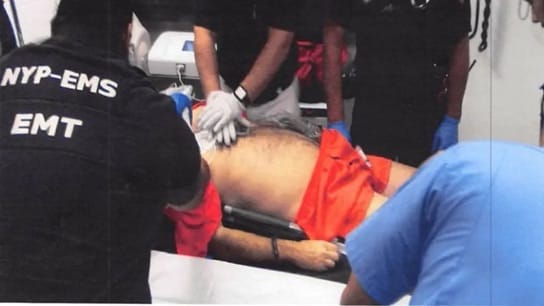
The photos reportedly show Epstein lying on a gurney with Emergency Medical Technicians (EMTs) actively performing CPR, capturing the frantic, failed attempts to revive him. Other images reveal deep, dark red furrows and cuts across his neck, injuries that the coroner ruled were consistent with hanging but which forensic pathologists hired by Epstein’s brother have long argued point to strangulation.
The “Orange Noose”
Perhaps the most critical evidentiary photos focus on the ligature itself. The files confirm the presence of orange fabric—strips torn from a standard-issue prison bedsheet—still tightly knotted and tied to the top of the bunk bed frame.
For years, conflicting reports about the nature of the noose fueled conspiracy theories. The new images show the makeshift ligature in situ, with complex knots that investigators concluded were tied by Epstein himself. However, critics point to the “clean” nature of the break and the positioning of the body as inconsistent with the standard mechanics of suicidal hanging.
A Web of Negligence
Beyond the graphic imagery, the accompanying documents paint a damning picture of systemic failure at the MCC. The file dump includes internal Bureau of Prisons (BOP) emails and logs confirming that guards failed to perform required checks for hours.
One memo details how jail staff, in a panic to manage the media storm gathering outside, used boxes and loose sheets to create a “decoy body” on a gurney to mislead photographers while the real body was transported. This chaotic attempt at deception, now confirmed in writing, likely contributed to the initial wave of skepticism regarding the official narrative.
Reigniting the Debate
While the DOJ and the New York City Medical Examiner stand by the ruling of suicide, the release of these raw, graphic files has reignited the debate over the circumstances of Epstein’s death. The vivid nature of the neck injuries and the specific mechanics of the orange noose are likely to be analyzed by independent forensic experts for months to come.
“These photos don’t close the book,” one legal analyst noted. “They open the spine. seeing the scene exactly as the guards saw it changes the conversation from abstract theories to forensic realities.”